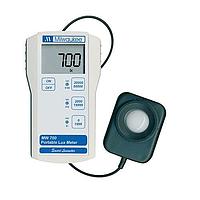
Light Meter Inspection Service
Reliable illumination measurements matter in workplaces where lighting quality affects safety, product inspection, laboratory work, and compliance checks. When a lux meter is used for maintenance, environmental monitoring, or facility audits, periodic Light Meter Inspection Service helps confirm that the instrument is still performing as expected and that readings remain trustworthy for day-to-day decisions.
This service category is intended for organizations that rely on light meters in production areas, warehouses, offices, cleanrooms, schools, hospitals, and technical service environments. Whether you manage a single handheld meter or multiple instruments from different brands, inspection supports better measurement consistency and reduces uncertainty during routine use.
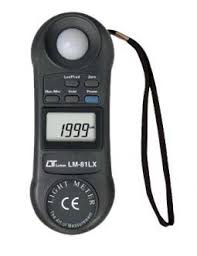
Why light meter inspection is important
A light meter is often used to verify illumination levels in areas where visibility and working conditions must be controlled. Over time, regular handling, sensor exposure, storage conditions, and normal wear can influence performance. An inspection process helps identify whether the instrument still responds properly and whether its measurement behavior remains suitable for practical use.
For many B2B users, this is less about the device itself and more about the quality of the data it provides. A checked instrument helps maintenance teams, EHS staff, quality departments, and facility managers make decisions with greater confidence. If your operation also depends on other environmental instruments, related services such as sound level meter inspection may be relevant in the same maintenance planning cycle.
Typical instruments covered in this category
This category focuses on inspection services for light meters used to measure illuminance. It can support a range of commonly used brands in industrial and technical environments, including FLUKE, HIOKI, TESTO, YOKOGAWA, EXTECH, Chauvin Arnoux, Amprobe, HANNA, KYORITSU, and MILWAUKEE.
Examples listed in this category include services such as FLUKE Light Meter Inspection Service, HIOKI Light Meter Inspection Service, TESTO Light meter Inspection Service, YOKOGAWA Light Meter Inspection Service, and Chauvin Arnoux Light Meter Inspection Service. These references help illustrate the scope of supported brands without limiting the category to one manufacturer or one specific application.
What an inspection service helps you verify
In practical terms, a light meter inspection helps evaluate the condition and usability of the instrument. This may include checking general operation, display behavior, response stability, and the condition of the sensing element, depending on the service workflow used for the device. The goal is to determine whether the meter remains suitable for continued measurement work.
Inspection is especially useful when readings appear inconsistent, when a meter has been in frequent field use, or when an organization is preparing instruments for internal audits and scheduled maintenance. In broader environmental monitoring programs, companies often review related instruments at the same time, such as those used for dew point meter inspection or other site-condition measurements.
Common use cases across industrial and commercial environments
Light meters are used in far more places than general building maintenance. In manufacturing, they support visual inspection areas, assembly stations, and operator workspaces. In laboratories and controlled environments, they help verify whether lighting conditions are appropriate for specific tasks. In commercial buildings, they are often used during maintenance checks, retrofits, and energy-efficiency reviews.
Inspection services are therefore relevant for factories, MEP contractors, service providers, educational facilities, healthcare organizations, and facility management teams. When measurements are part of a documented workflow, keeping instruments in checked condition helps create a more dependable measurement system overall.
How to choose the right service for your instrument
The most practical starting point is the meter brand and intended use. If your organization already uses instruments from HIOKI or other major manufacturers in this category, selecting the corresponding inspection service makes it easier to align the service request with the device in use. This is also useful when several departments operate different brands across multiple sites.
You should also consider usage frequency, working environment, and how critical the readings are to your process. A meter used occasionally for spot checks may have different service timing considerations than one used regularly for documentation, acceptance testing, or routine environmental verification. If the meter is part of a larger inspection schedule, it is often efficient to group it with related service categories rather than treating each instrument in isolation.
Brand examples available in this category
The category includes service entries for a wide selection of known instrument brands. Examples include HIOKI Light Meter Inspection Service, HANNA Light Meter Inspection Service, MILWAUKEE Light Meter Inspection Service, YOKOGAWA Light Meter Inspection Service, EXTECH Light Meter Inspection Service, and Amprobe Light Meter Inspection Service.
It also includes services for TESTO, FLUKE, KYORITSU, and Chauvin Arnoux light meters. This broad brand coverage is useful for companies that standardize equipment by department, inherit mixed instrument fleets, or support multiple customer sites with different meter brands already in operation.
Supporting a more consistent environmental instrument maintenance plan
Light measurement is often only one part of a wider environmental monitoring routine. Many organizations maintain several handheld instruments to monitor acoustic conditions, humidity-related parameters, and other workplace factors. Building a structured inspection schedule across these devices helps reduce downtime, avoid missed service intervals, and keep measurement tools ready for field work.
If your team manages a broader set of portable testing instruments, it may be helpful to review adjacent services such as ion measurement electrode inspection where water quality checks are also part of your process. A coordinated approach makes service planning easier and improves traceability across departments.
Choosing with confidence
A dependable lux meter is valuable only when users can trust the readings it provides in real working conditions. That is why inspection service plays an important role in preventive maintenance for environmental instruments, especially in organizations where measurement quality directly affects safety, productivity, or internal reporting.
If you are reviewing service options for a single device or a mixed fleet of instruments, this category provides a practical starting point for selecting the appropriate light meter inspection path by brand and application context. A well-planned service routine helps keep instruments usable, supports more consistent measurement practices, and fits naturally into a broader technical asset management program.
Get exclusive volume discounts, bulk pricing updates, and new product alerts delivered directly to your inbox.
By subscribing, you agree to our Terms of Service and Privacy Policy.
Direct access to our certified experts