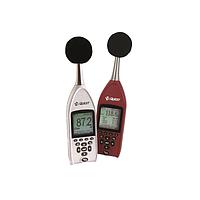
Sound Level Meter Inspection Service
Accurate acoustic measurement depends not only on the meter itself, but also on the condition of its microphone, electronics, frequency weighting circuits, and overall response. A professional Sound Level Meter Inspection Service helps verify whether an instrument is still suitable for workplace noise checks, environmental monitoring, facility assessments, and general compliance-related measurement tasks.
For laboratories, factories, contractors, and maintenance teams, periodic inspection is a practical way to reduce uncertainty before important measurements are taken. It is especially relevant when a sound level meter is used regularly in industrial environments, transported between job sites, or relied on as part of internal quality and safety procedures.
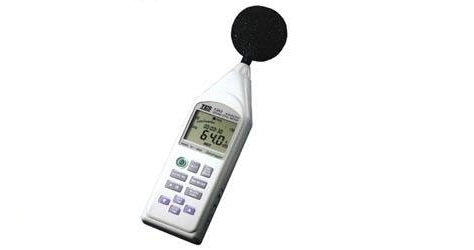
Why inspection matters for sound level meters
Sound level meters are precision instruments designed to evaluate noise in decibels under defined measurement conditions. Over time, normal use, environmental exposure, physical shock, aging components, or microphone sensitivity drift can affect the instrument’s behavior. Inspection helps identify whether the device still responds consistently and whether any visible or functional issues should be addressed before further use.
In many operating environments, users need confidence that reported noise values are dependable enough for internal audits, troubleshooting, or routine monitoring. A structured inspection process supports that goal by checking the meter’s overall condition and helping users decide whether maintenance, adjustment, or further service may be needed.
Typical scope of a sound level meter inspection service
Although the exact workflow can vary by instrument and service procedure, inspection generally focuses on the functional condition of the sound level meter and its key measurement elements. This can include checks related to physical condition, display and controls, basic operation, connectors, battery or power status, and the general response of the acoustic measurement path.
Particular attention is usually given to the microphone assembly, since it plays a central role in capturing sound pressure variations. If the meter is used with an acoustic calibrator or in a broader environmental measurement workflow, inspection also helps confirm that the instrument remains appropriate for routine field use. For organizations that manage multiple instruments, this service can support more consistent asset control across measurement teams.
Supported brands and service examples
This category covers inspection services for a wide range of commonly used instruments from established manufacturers. Depending on your installed base, you may find service options for brands such as HIOKI, TESTO, Chauvin Arnoux, TSI, EXTECH, KANOMAX, PCE, Promax, Amprobe, and BKPRECISION.
Representative service entries in this category include HIOKI Sound level meter Inspection Service, TESTO Sound level meter Inspection Service, EXTECH Sound level meter Inspection Service, KANOMAX Sound level meter Inspection Service, and Chauvin Arnoux Sound level meter Inspection Service. These examples help users quickly identify inspection support aligned with the brands already deployed in their operations, without having to search across unrelated service groups.
When to arrange inspection
A meter does not have to fail completely before inspection becomes necessary. In practice, many users send instruments for review when they notice unstable readings, suspect a microphone issue, observe physical wear, or want to confirm instrument condition after transport, storage, or intensive field use. Inspection is also a sensible step before a noise survey, internal audit, or periodic monitoring campaign.
For B2B users, scheduled inspection can be part of a broader preventive maintenance approach. Instead of waiting for inconsistent readings to disrupt work, teams can plan service intervals based on usage frequency, operating conditions, and the criticality of the measurements being performed. Where multiple environmental instruments are managed together, related services such as light meter inspection service or dew point meter inspection service may also be relevant.
How to choose the right service option
The most important starting point is the instrument brand and the actual equipment type being used. A service request should match the sound level meter manufacturer and the specific instrument family whenever possible, because handling, accessories, and expected inspection points may differ from one design to another. This is why brand-specific entries such as Promax Sound level meter Inspection Service or PCE Sound level meter Inspection Service can be useful for narrowing down the correct service path.
It is also helpful to prepare basic information before submitting the unit: manufacturer, model designation, visible symptoms, included accessories, and how the instrument is currently used. Even when a service page is organized by brand, the end goal remains the same: to assess the condition of the device clearly and support a more informed decision on continued use, maintenance, or next-step servicing.
Part of a broader environmental instrument service workflow
Sound measurement is often only one part of a wider monitoring program. Many organizations also maintain instruments for humidity, light, water activity, or electrochemical analysis. Managing inspection service at the category level makes it easier to keep equipment in serviceable condition and reduce interruptions across different measurement tasks.
If your team handles several environmental instruments, it can be useful to review related categories such as ion measurement electrode inspection or water activity meter inspection service. This helps create a more complete service plan rather than treating each device in isolation.
What users typically expect from this category
Most visitors to this category are looking for a straightforward way to identify the right inspection service for a sound level meter already in use. In that context, the key value is not just finding a brand name, but finding a service path that fits practical maintenance needs in industrial, laboratory, commercial, or field applications.
Whether you operate a single handheld meter or manage multiple instruments across sites, regular inspection supports better measurement reliability and smoother equipment planning. Reviewing the available brand-based service entries in this category is a practical way to start, especially when you need to keep acoustic measurement tools ready for day-to-day technical work.
Conclusion
Choosing the right Sound Level Meter Inspection Service is ultimately about maintaining confidence in your noise measurements and reducing avoidable downtime. With service options associated with major instrument brands and a clear focus on inspection needs, this category helps users find relevant support for routine checks, troubleshooting, and ongoing instrument care.
If your operation depends on dependable acoustic data, timely inspection is a sensible step. It helps ensure that the meter you rely on in the field or on the shop floor remains in a condition that supports consistent and credible measurement results.
Get exclusive volume discounts, bulk pricing updates, and new product alerts delivered directly to your inbox.
By subscribing, you agree to our Terms of Service and Privacy Policy.
Direct access to our certified experts