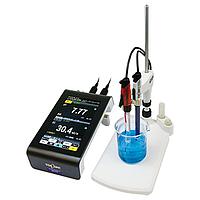
Water analyzers Inspection Service
Reliable water analysis depends on more than the instrument itself. In routine laboratory work, field monitoring, utilities, food production, and environmental control, measurement quality is closely tied to the condition of the analyzer, sensor system, optics, and overall device performance. A professional Water analyzers Inspection Service helps verify that equipment remains suitable for its intended use and continues to support consistent decision-making.
This category brings together inspection support for a wide range of water testing instruments, from portable meters to analytical systems used for parameter checks, photometric testing, and seawater or process-water evaluation. It is especially relevant for users who need periodic condition assessment, service planning, or inspection support across different brands and measurement methods.
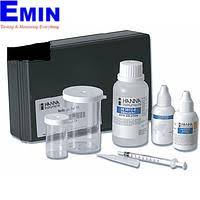
Why inspection matters for water analysis equipment
Water analyzers are often used in applications where measurement drift, contamination, aging components, or handling conditions can affect results over time. Even when an instrument appears to be operating normally, issues in electrodes, optical paths, sample interfaces, or internal electronics may reduce reliability. Inspection helps identify these risks before they lead to incorrect process decisions or repeated testing.
For organizations working under internal quality procedures, scheduled equipment review also supports better asset management. It creates a clearer picture of instrument condition, service history, and readiness for continued operation, which is valuable in both laboratory and industrial environments.
Typical instruments covered in this service category
This category is suitable for many common water testing platforms, including water quality meters, analyzers, photometers, refractometers, and multi-parameter instruments. Depending on the device type, inspection may focus on physical condition, display and keypad operation, response behavior, sample handling parts, optical components, connectors, and basic functional checks.
Examples in this category include the HANNA Water Analyzer Inspection Service, YSI Water Photometer Inspection Service, Palintest Water Analyzer Inspection Service, and TOA DKK Multi-Parameter water quality meter Inspection Service. For seawater-related measurement needs, the Bellingham seawater refractometers Inspection Service is also relevant where salinity-related analysis is part of the workflow.
Suitable applications across industries
Water analyzer inspection is relevant in many operating contexts. Environmental monitoring teams may use it to maintain confidence in field instruments used for routine water checks. Industrial facilities may require it for process-water or wastewater monitoring equipment, while laboratories often need inspection support as part of broader quality assurance procedures.
Food, beverage, pharmaceutical, aquaculture, and utility operations can also benefit from periodic review of measurement devices that influence compliance, product quality, or operational control. In these settings, the goal is not only to confirm that the instrument powers on, but to assess whether it remains fit for regular measurement tasks.
Examples of brand-specific inspection support
The product selection in this category includes inspection services associated with widely used manufacturers such as HACH, HORIBA, YSI, HANNA, Palintest, PCE, Sibata, Rotronic, Bellingham, and TOA DKK. This broad brand coverage is useful for organizations that operate mixed fleets of instruments across sites or departments.
Representative services include HACH water quality meter Inspection Service, HORIBA water quality meter Inspection Service, PCE multi-parameter water inspection Service, and Sibata water quality photometer Inspection Service. Rather than treating all analyzers the same way, inspection should reflect the actual measurement principle and device architecture involved, whether the instrument is meter-based, photometric, or designed for a more specific analytical task.
How to choose the right inspection service
Choosing an appropriate service starts with the instrument’s role in your workflow. A portable multi-parameter meter used in the field may require attention to connectors, probes, seals, and general handling wear, while a photometer may place greater emphasis on optics, sample chamber condition, and response consistency. A refractometer or water activity device will have different inspection priorities again, based on its sensing principle.
It is also helpful to consider usage frequency, operating environment, and the consequences of inaccurate readings. Instruments exposed to humidity, chemical splash, transport, or heavy daily use may need closer inspection intervals than lightly used equipment. If your measurement setup includes specialized accessories such as probes or electrodes, related service categories like ion measurement electrode inspection may also be relevant.
Related service needs in the same measurement ecosystem
Water analysis rarely stands alone. Many sites manage several environmental and quality-control instruments at the same time, each with its own maintenance and inspection cycle. Reviewing analyzer condition together with other measurement assets can simplify service planning and improve consistency across departments.
For example, users who manage humidity-sensitive testing workflows may also need Water Activity Meter Inspection Service. In broader laboratory or environmental setups, additional categories such as light or dew point instruments may also form part of the same inspection schedule, depending on the application.
What to prepare before requesting inspection
Before arranging service, it is useful to identify the instrument type, manufacturer, model name, current operating condition, and any symptoms already observed in use. Common examples include unstable readings, slow response, display issues, damaged housings, connector wear, or uncertainty after long storage. Clear information helps align the inspection scope with the actual condition of the instrument.
If the device is part of a controlled process, internal records such as previous service history, usage frequency, or quality documentation can also support a more efficient review. This is particularly important when several analyzers from different brands are being managed together and inspection needs to be prioritized.
Support more dependable measurement performance
A well-planned inspection program helps extend equipment usability, reduce unexpected downtime, and improve confidence in water-related measurements. Whether you use a single analyzer or manage multiple instruments from HACH, HORIBA, YSI, HANNA, Palintest, or other listed brands, selecting the right inspection service is a practical step toward more stable operation.
Use this category to find suitable inspection options for your water analysis equipment and to build a more consistent service approach across your measurement assets. When the device type and application are clearly matched to the inspection need, the result is a more useful assessment and better support for day-to-day testing work.
Get exclusive volume discounts, bulk pricing updates, and new product alerts delivered directly to your inbox.
By subscribing, you agree to our Terms of Service and Privacy Policy.
Direct access to our certified experts