
Callipers Inspection Service
Accurate dimensional checks depend not only on the quality of the instrument, but also on how reliably it performs over time. In production, maintenance, machining, quality control, and incoming inspection, worn jaws, zero error, scale deviation, or poor slider movement can affect measurement results and lead to unnecessary rework or acceptance risk. A professional Callipers Inspection Service helps verify whether the instrument is still suitable for the required measuring task.
This service category is intended for businesses that use vernier, dial, or digital calipers in routine measurement work and need a practical way to assess instrument condition. It is relevant for workshops, QA departments, laboratories, and industrial users who want confidence in traceability, repeatability, and everyday measurement consistency.
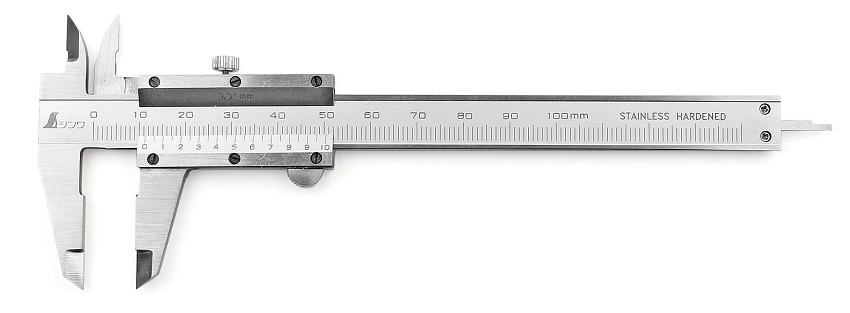
Why caliper inspection matters in industrial measurement
Calipers are widely used because they are versatile and fast, but that convenience can sometimes hide developing errors. Even a frequently used instrument that looks mechanically sound may show wear at the measuring faces, slight offset at zero, or variation along the measuring range. Inspection helps identify these issues before they affect production decisions.
For B2B users, the value of inspection goes beyond a simple pass-or-fail result. It supports measurement reliability across routine processes such as part verification, in-process checks, setup confirmation, and supplier quality control. Where several handheld measuring tools are used together, caliper inspection also fits naturally into a broader instrument maintenance program alongside services such as micrometer inspection.
What is typically evaluated during a callipers inspection service
The inspection process generally focuses on the functional and dimensional condition of the instrument. This can include checking zero position, jaw condition, slider movement, scale readability, and consistency of measurement across relevant points of the range. The goal is to determine whether the caliper remains usable for the intended level of measurement work.
Depending on the instrument type and application, attention may also be given to internal measuring faces, depth measuring elements, and general mechanical integrity. In practice, a useful inspection service should help users understand whether deviations are minor, whether the tool needs adjustment or maintenance, or whether replacement is the more practical decision.
Suitable for different brands and working environments
Industrial users often manage mixed fleets of measuring tools from multiple manufacturers. In this category, representative service options are available for brands such as MITUTOYO, Mahr, MOORE & WRIGHT, Proskit, TOPTUL, YATO, HAGLOF, and METROLOGY. This is helpful for organizations that need a consistent inspection workflow across workshop tools, QA instruments, and site-use equipment.
Examples in this category include Mitutoyo Calipers Inspection Service, Mahr Calipers Inspection Service, MOORE & WRIGHT Calipers Inspection Service, Proskit Calipers Inspection Service, and HAGLOF Diameter Measurment Caliper Inspection Service. These listings illustrate the range of supported instrument brands and use cases, from general-purpose dimensional checks to more application-specific diameter measurement tools.
When to send calipers for inspection
A fixed inspection interval is not always enough on its own. The right timing depends on usage frequency, measuring environment, handling conditions, and the criticality of the dimensions being checked. Instruments used on the shop floor, exposed to dust, coolant, frequent transport, or repeated jaw contact with hard materials may require closer attention than lightly used tools in controlled conditions.
Common situations that justify inspection include suspected impact damage, inconsistent readings between operators, visible wear on measuring faces, poor display behavior on digital units, or a mismatch between caliper readings and more stable reference tools. If your measurement workflow also relies on related instruments, it may be useful to review services such as depth gauge inspection to keep the wider inspection system aligned.
How to choose the right service for your instruments
When selecting a caliper inspection service, it helps to start with the actual instrument population in use. Consider whether you are managing standard external/internal calipers, depth-capable models, digital units, or more specialized diameter measurement tools. Matching the service to the instrument type makes the result more relevant to real operating conditions.
It is also useful to review the brand mix and service history across your facility. If your team uses equipment from manufacturers such as Proskit, TOPTUL, YATO, or MOORE & WRIGHT alongside premium metrology brands, a structured service plan can reduce administrative effort and improve consistency. For companies maintaining a broader mechanical inspection schedule, thickness gauge inspection may also be relevant where multiple dimensional tools support the same process.
Benefits for QA, maintenance, and purchasing teams
For quality teams, inspection supports more dependable acceptance and release decisions. For maintenance and production teams, it reduces the chance of hidden instrument issues affecting setup or in-process verification. For purchasing and asset management, it helps distinguish between tools that remain serviceable and those that should be retired or replaced.
In a practical B2B setting, this means fewer surprises during audits, better control over measuring assets, and more informed decisions about tool upkeep. A documented inspection service is especially useful where calipers are used by multiple operators or across several production cells, because it creates a clearer basis for standardization and traceable instrument control.
Common questions about callipers inspection service
Is inspection the same as calibration?
Not always. Inspection is generally focused on checking the condition and performance of the instrument, while calibration may follow a more formal comparison against standards with defined reporting requirements. The exact scope depends on the service workflow being used.
Can older or heavily used calipers still be inspected?
Yes, inspection is often most useful for instruments that have seen regular service. It helps determine whether the tool remains fit for use, needs attention, or is no longer practical to keep in the measuring system.
Who typically uses this service?
Typical users include machine shops, manufacturers, maintenance departments, QC laboratories, technical schools, and inspection teams that rely on handheld mechanical measuring instruments in daily work.
Build a more reliable measurement workflow
Choosing the right callipers inspection service is part of maintaining confidence in everyday dimensional measurement. Whether you are managing a small set of shop-floor tools or a larger inventory across departments, regular inspection helps keep results consistent, supports internal quality procedures, and reduces uncertainty when dimensions matter.
By reviewing instrument condition, usage patterns, and related measuring tools, businesses can create a more practical inspection plan instead of reacting only when errors appear. This category brings together service options for widely used brands and helps buyers find an appropriate path for maintaining dependable caliper performance.
Get exclusive volume discounts, bulk pricing updates, and new product alerts delivered directly to your inbox.
By subscribing, you agree to our Terms of Service and Privacy Policy.
Direct access to our certified experts
