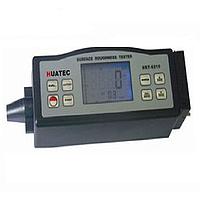
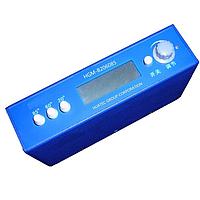
Gloss Meter, Roughness Meter Inspection Service
Reliable surface measurement depends not only on the instrument itself, but also on the condition of the device over time. In production, coating control, finishing inspection, and material evaluation, even small deviations in a gloss meter or roughness tester can affect quality decisions. This is why a dedicated Gloss Meter, Roughness Meter Inspection Service is important for companies that rely on consistent surface assessment.
This category brings together inspection services for instruments used to evaluate gloss, surface profile, and roughness. It is designed for users who need their measuring equipment checked for condition, performance, and suitability for ongoing use in industrial and laboratory environments.
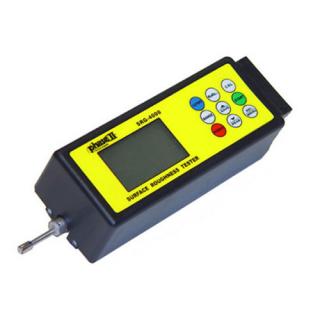
Why inspection matters for surface measurement instruments
Surface quality control often depends on repeatable readings. Gloss meters are commonly used to assess reflective properties of coated or finished surfaces, while roughness and profile instruments support evaluation of texture, machining quality, and preparation conditions. When these tools drift, become worn, or are used under demanding shop-floor conditions, the reliability of the reading can be affected.
An inspection service helps users verify the general condition of the instrument and identify issues before they lead to incorrect acceptance or rejection of parts. This is especially relevant in applications such as coating inspection, metal finishing, machining, automotive components, plastics, and other processes where surface appearance or texture is part of the specification.
What this service category typically covers
This category focuses on inspection services for gloss meters, roughness measuring instruments, and related surface profile gauges. Rather than treating every device the same way, inspection is typically considered in the context of the instrument type, its measurement purpose, and how it is used in the field or in quality control workflows.
Examples in this range include the PCE Gloss Meter Inspection Service, the HORIBA Gloss Meter Inspection Service, the Mahr Roughness Measuring Instrument Inspection Service, and the MITUTOYO Surface Roughness Tester Inspection Service. For coating and blasting surface checks, services such as the DEFELSKO Surface Profile Gage Inspection Service, ELCOMETER Surface Profile Gage Inspection Service, and TQCSheen Surface Profile Gage Inspection Service are also relevant within the broader surface evaluation workflow.
Suitable instruments and common use cases
Gloss meters are often used when appearance control is critical, such as painted parts, coated panels, plastics, paper, ceramics, and finished consumer goods. If the instrument is used to compare production batches or verify surface finish consistency, regular inspection supports more dependable decision-making.
Roughness testers and roughness measuring instruments are typically applied in machining, tool room inspection, metalworking, component finishing, and incoming or final quality checks. Surface profile gauges are also important where coating adhesion or substrate preparation must be evaluated. In these cases, inspection supports confidence that the device still performs as expected in routine operation.
Brand coverage within this category
This category includes inspection service options associated with widely used instrument brands in industrial measurement. Depending on the device in use, customers may look for support related to HORIBA, Mahr, MITUTOYO, DEFELSKO, ELCOMETER, PCE, TQCSheen, SANKO, or TASCO.
The purpose of listing brand-aligned services is to make it easier to find the right path for the instrument already used in your operation. For example, users may need inspection support for the SANKO Angle Glossmeters Inspection Service, TASCO Gloss Meter Inspection Service, or a PCE Surface Roughness Tester Inspection Service. This structure helps buyers and maintenance teams identify the most relevant service entry without sorting through unrelated equipment categories.
How to choose the right inspection service
When selecting a service, the first step is to match the inspection category to the actual measurement principle and device type. A gloss meter, a surface roughness tester, and a surface profile gauge may all deal with surface condition, but they are used for different measurement objectives. Choosing the correct service path helps avoid delays and ensures the inspection request is aligned with the equipment being evaluated.
It is also useful to consider the operating environment, frequency of use, and the role of the instrument in your quality system. Devices used in high-throughput production, exposed to dust or shop-floor handling, or relied on for release decisions may need more regular attention than instruments used occasionally for reference checks.
Related inspection services for dimensional and material control
In many factories, surface measurement is only one part of the broader inspection process. Teams that manage roughness or gloss instruments often also maintain dimensional tools and material test devices. If your quality workflow includes multiple handheld or bench instruments, it can be helpful to review related services such as thickness gauge inspection service or hardness meter inspection service.
This wider view is especially useful for companies building a more structured maintenance and verification program across inspection equipment. It can reduce the risk of overlooking devices that also influence product conformity, traceability, or internal quality audits.
Who this category is for
This service category is relevant for manufacturers, testing laboratories, coating inspectors, machining workshops, maintenance departments, and QA teams that depend on accurate surface evaluation. It is also useful for procurement staff searching for a suitable inspection route for existing equipment from recognized brands and established measurement platforms.
Whether you are managing a single gloss meter or a broader set of roughness and profile instruments, this category helps narrow the search to services that fit the practical needs of surface inspection equipment. The emphasis is on helping users find an appropriate service based on instrument function rather than browsing a generic list.
Conclusion
Choosing the right inspection service for gloss, roughness, and surface profile instruments supports better measurement confidence across production and quality control tasks. A well-matched service category makes it easier to identify relevant options for the instruments already in use, from gloss meters for appearance checks to roughness and profile devices used in surface preparation and finishing control.
If your process depends on consistent readings and dependable equipment condition, this category provides a practical starting point for selecting an inspection service that fits your measurement workflow, your instrument type, and your operational requirements.
Get exclusive volume discounts, bulk pricing updates, and new product alerts delivered directly to your inbox.
By subscribing, you agree to our Terms of Service and Privacy Policy.
Direct access to our certified experts