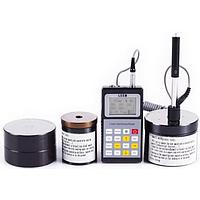
Hardness Meter Inspection Service
Reliable hardness measurement matters whenever material quality, coating performance, or production consistency has to be verified with confidence. In daily factory use, hardness testers are exposed to repeated operation, different operators, and demanding environments, so periodic inspection helps confirm that the instrument is still performing as expected and suitable for ongoing quality control work.
Hardness Meter Inspection Service is intended for businesses that use hardness testing equipment in manufacturing, maintenance, incoming inspection, laboratories, and field evaluation. It supports users who need a practical way to review instrument condition, identify deviations, and maintain trust in measurement results across routine testing tasks.
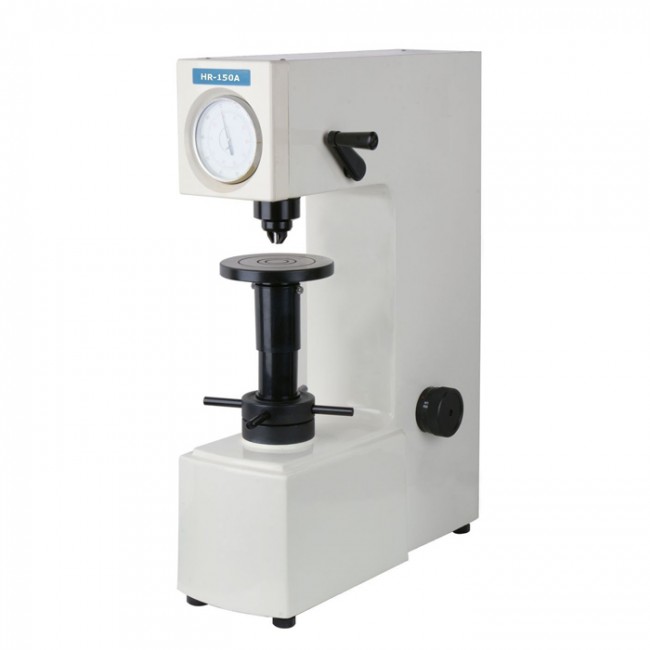
Why hardness tester inspection is important
A hardness tester is only useful when its readings remain dependable over time. Wear on probes, mechanical drift, impact damage, handling issues, or general aging can affect measurement behavior, especially in equipment used regularly on production floors or in mobile inspection work.
Inspection helps users check whether the instrument still responds consistently and whether its overall condition is appropriate for continued use. For companies working under internal quality procedures or customer-driven documentation requirements, regular inspection is a practical part of reducing measurement uncertainty and avoiding avoidable rework.
Typical situations where this service is useful
This service is relevant when a hardness meter has been in use for an extended period, has been moved between sites, has experienced irregular readings, or is being prepared for an audit or quality review. It is also useful before critical batches are tested, particularly when hardness data affects acceptance decisions, process release, or material traceability.
Many organizations schedule inspection as part of a broader equipment control routine together with services for other dimensional and mechanical instruments. Where related tools are also managed under the same quality workflow, users may also review micrometer inspection service and callipers inspection service for supporting measurement equipment.
What is covered in a hardness meter inspection context
In general, an inspection service for hardness testing equipment focuses on the overall functional state of the instrument rather than simply treating it as a pass-or-fail formality. This can include reviewing visible condition, basic operational response, key measuring functions, and factors that may influence repeatability or user confidence during actual testing.
For hardness instruments, inspection is especially valuable because results can be influenced by contact condition, applied force behavior, surface interaction, and the correct working state of the measuring head or sensing element. A structured inspection process helps detect issues before they affect production decisions or create disagreement between operators, departments, or sites.
Supported brands and representative service options
This category includes inspection service options for a range of widely used brands in industrial measurement. Examples in this category include the MITUTOYO Hardness Tester Inspection Service, DEFELSKO Hardness Tester Inspection Service, ELCOMETER Hardness Tester Inspection Service, PCE Hardness Tester Inspection Service, PROCEQ Hardness Tester Inspection Service, TECLOCK Hardness Tester Inspection Service, Cometech Hardness Tester Inspection Service, KMT Hardness Tester Inspection Service, NOVOTEST Hardness Tester Inspection Service, and 3M Ultrasonic Hardness Tester Inspection Service.
These listings help users find a service path that matches the brand already in use at their facility. The goal is not just to reference a manufacturer name, but to make it easier for buyers and maintenance teams to identify the relevant service entry for the equipment they manage internally.
How to choose the right inspection service
When selecting a service, the first step is to match the inspection option to the hardness tester brand and the type of instrument used in your workflow. This is especially important when a company operates several units across different departments, because even similar devices may have different handling needs or inspection considerations.
It is also useful to think about how the tester is applied in practice. A device used for routine shop-floor checks may face different wear patterns than one used occasionally in a controlled lab environment. Choosing the appropriate service category helps streamline maintenance planning and keeps quality records easier to manage.
For organizations maintaining a wider set of material-testing and mechanical inspection tools, related categories such as thickness gauge inspection service may also be relevant where coating or substrate evaluation is part of the same inspection process.
Who typically uses hardness meter inspection services
This type of service is commonly used by manufacturers, quality assurance teams, testing laboratories, maintenance contractors, fabrication workshops, and suppliers that must verify material condition as part of incoming or final inspection. It is also relevant in sectors where material hardness influences service life, wear resistance, or compliance with customer specifications.
Because hardness testing often supports acceptance decisions rather than standing alone, companies usually treat instrument inspection as part of a wider measurement control program. A well-maintained tester helps reduce disputes over readings and supports more consistent decision-making between operators and departments.
Benefits of routine inspection in quality systems
Routine inspection contributes to better traceability, improved confidence in test results, and earlier detection of equipment issues. Instead of waiting until a tester shows an obvious failure, businesses can use scheduled checks to identify gradual performance changes that may otherwise go unnoticed during everyday use.
It also supports smoother audits and internal reviews by showing that important measuring devices are being monitored in a structured way. In environments where multiple precision tools are controlled together, companies may additionally align this with depth gauge inspection service or other instrument inspection categories as part of a broader equipment management routine.
Find a suitable service for your hardness testing equipment
Choosing a suitable inspection service for hardness testing equipment helps protect the reliability of your measurement process and supports day-to-day quality work. Whether you are managing a single tester or a larger fleet of instruments from brands such as MITUTOYO, DEFELSKO, ELCOMETER, PCE, PROCEQ, TECLOCK, Cometech, KMT, NOVOTEST, or 3M, the right service category makes equipment follow-up more practical and more organized.
If your team depends on consistent hardness readings for inspection, maintenance, or production release, reviewing the available service options in this category is a sensible next step. A structured approach to instrument inspection helps keep testing workflows reliable and supports better decisions wherever material hardness matters.
Get exclusive volume discounts, bulk pricing updates, and new product alerts delivered directly to your inbox.
By subscribing, you agree to our Terms of Service and Privacy Policy.
Direct access to our certified experts