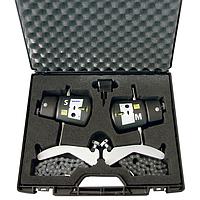
Laser Pulley/Shaft Alignment System Inspection Service
Accurate alignment is critical for rotating equipment, power transmission systems, and maintenance workflows where even small deviations can lead to vibration, premature wear, and unnecessary energy loss. When a laser-based alignment instrument is used to verify pulley or shaft position, the condition of that instrument matters just as much as the alignment procedure itself. This category brings together options for Laser Pulley/Shaft Alignment System Inspection Service to help maintenance teams and industrial users keep their measuring equipment reliable and ready for field use.
Why inspection service matters for laser alignment systems
Laser alignment tools are used in applications where repeatability and measurement confidence are essential. If the instrument has been exposed to impact, harsh site conditions, frequent transport, or long-term use, periodic inspection helps confirm that the system is still operating as expected and that its measurement performance remains suitable for maintenance and inspection tasks.
For equipment used in pulley alignment or shaft alignment, inspection service is especially important because maintenance decisions are often based directly on the readings provided by the instrument. A properly checked system supports more consistent machine setup, better documentation, and reduced risk of corrective work being based on questionable measurement results.
Scope of this service category
This category covers inspection services for laser-based systems used to check pulley and shaft alignment. These services are relevant for plants, workshops, maintenance contractors, and reliability teams that depend on alignment instruments as part of preventive or corrective maintenance routines.
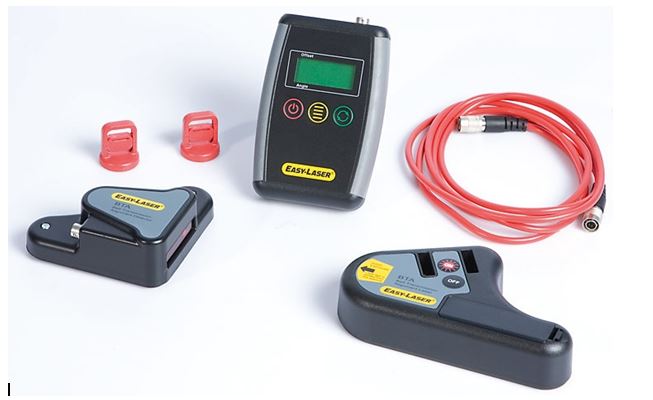
Depending on the brand and model in use, users may need inspection support for portable alignment kits, laser transmitter and detector components, display units, mounting accessories, or complete alignment sets. The goal is not simply to send a tool for checking, but to maintain confidence in the overall measurement chain used during alignment work.
Typical situations when inspection should be considered
Many companies arrange inspection on a periodic basis, but service may also be needed after specific events. Instruments that are used across multiple sites, transported frequently, or handled in demanding industrial environments often benefit from regular checks to reduce uncertainty before the next maintenance campaign.
Inspection is commonly considered when the device shows inconsistent results, after accidental drops or mechanical shock, or when traceability and internal quality procedures require documented verification. In broader maintenance programs, this can sit alongside other inspection activities for dimensional tools such as callipers inspection service or micrometer inspection service, especially where a facility manages multiple categories of measuring equipment.
Supported brands and representative service options
This category includes service options related to widely used alignment brands such as EASYLASER, FIXTURLASER, and VIBRO-LASER. These brands are often associated with laser-based alignment workflows in industrial maintenance, and inspection support helps users continue operating their systems with greater confidence.
Representative listings in this category include the EASYLASER Laser Pulley/Shaft Alignment System Inspection Service, FIXTURLASER Laser Pulley/Shaft Alignment System Inspection Service, and VIBRO-LASER Laser Pulley/Shaft Alignment System Inspection Service. Rather than viewing these only as brand-specific entries, it is more useful to see them as service pathways for maintaining the readiness of your existing alignment equipment.
What to look for when selecting an inspection service
When choosing a suitable service option, the first consideration is compatibility with the instrument brand and intended alignment application. A pulley alignment setup and a shaft alignment setup may share similar principles, but the service process should still match the actual equipment configuration and the way the instrument is used in the field.
It is also helpful to review whether the service aligns with your internal maintenance workflow, asset management process, and documentation requirements. For many industrial buyers, the most practical choice is the one that supports consistent equipment control, minimizes downtime, and fits smoothly into scheduled maintenance intervals.
How inspection supports maintenance and reliability teams
In rotating machinery maintenance, alignment is closely tied to equipment health. A laser alignment system that performs consistently can support better setup of motors, pumps, fans, belt-driven systems, and other connected machine trains. Inspection service therefore contributes indirectly to broader reliability goals by helping teams trust the measurement tools used to make alignment corrections.
This is especially relevant in facilities where alignment data forms part of service records, shutdown planning, or root-cause analysis. Reliable instruments help reduce avoidable rework and improve communication between maintenance, engineering, and operations teams. In the same way that other measuring devices may require dedicated support such as thickness gauge inspection service or depth gauge inspection service, alignment systems also benefit from structured inspection within a controlled quality process.
Who this category is for
This category is relevant for factories, utilities, maintenance service providers, machine installers, and technical procurement teams that manage laser alignment tools as operational assets. It is also useful for organizations that want a more systematic approach to inspection scheduling across different types of measuring and maintenance equipment.
If your team relies on laser tools to verify pulley or shaft positioning, arranging inspection at appropriate intervals can help maintain confidence in day-to-day maintenance work. That makes this category a practical starting point when you need service support for existing alignment instruments rather than a replacement device.
Choosing the right service path
The right inspection service depends on the brand you use, the condition of the equipment, and how the tool fits into your maintenance environment. For some users, the key factor is brand compatibility; for others, it is traceability, scheduling convenience, or maintaining inspection discipline across multiple instrument types.
By reviewing the available service options in this category, buyers can identify a suitable route for keeping their laser alignment systems in serviceable condition. A well-timed inspection helps protect the value of the instrument, supports more dependable alignment work, and contributes to better maintenance outcomes over time.
Get exclusive volume discounts, bulk pricing updates, and new product alerts delivered directly to your inbox.
By subscribing, you agree to our Terms of Service and Privacy Policy.
Direct access to our certified experts