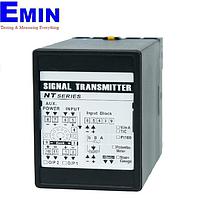
Frequency Online Controller Inspection Service
Stable frequency measurement is essential anywhere rotating equipment, power-related signals, pulse outputs, or process timing must be monitored without interruption. When an online controller begins to drift, respond slowly, or show inconsistent readings, inspection becomes an important step to verify signal handling, controller response, and overall reliability before those issues affect production or maintenance planning.
Frequency Online Controller Inspection Service is intended for users who need a practical way to check the condition and performance of installed monitoring and control equipment. In industrial environments, this type of service is relevant for control panels, signal-processing loops, and monitoring points where frequency-based inputs support process visibility, equipment status tracking, or automation logic.
Why frequency controller inspection matters
Frequency signals are commonly used to represent speed, pulse count behavior, switching events, or electrical signal variation in industrial systems. If the controller that receives and interprets those signals is not operating correctly, the result may be unstable display values, delayed alarms, poor control response, or incorrect process interpretation.
An inspection service helps identify whether the issue comes from the controller itself, the connected sensing point, signal conditioning, wiring condition, or the way the online system is configured. This is especially useful in facilities that rely on continuous operation and need to reduce unplanned downtime through condition checks rather than waiting for complete failure.
What is typically checked during an online inspection service
Although inspection scope may vary depending on the installed system, the main objective is usually to assess the controller’s ability to receive, process, and present frequency-related signals in a consistent manner. This may include reviewing input behavior, response stability, indication accuracy at the controller level, and general operating condition under real installation circumstances.
In many applications, inspection also supports troubleshooting when operators notice intermittent readings, communication inconsistencies, or unexpected signal behavior over time. Compared with a basic visual check, a structured online controller inspection is more useful because it connects field condition, controller performance, and application context into one maintenance view.
Typical applications in industrial environments
Frequency-based control and monitoring can appear in utilities, water treatment, pumping systems, rotating machinery, building services, and general process automation. In these settings, inspection is often requested when a controller is part of a wider instrumentation loop and the user needs to verify whether the displayed frequency value still reflects real operating conditions.
This category is also relevant when a plant uses multiple online analyzers or sensor-controller combinations and wants more consistent maintenance practices across the site. For example, teams that also manage conductivity and TDS sensor inspection services may benefit from aligning inspection intervals and fault-check routines across different controller types.
Representative brands and service context
Several well-known instrumentation brands appear in this category, including WTW, Adtek, and GLobal Water. These names help illustrate the kind of industrial equipment environment where online controller inspection is relevant, especially in applications that combine sensors, controllers, and monitoring interfaces.
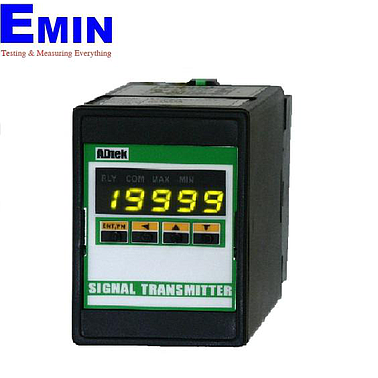
A representative example in this category is the Adtek Frequency Online Controller Inspection Service. Other listed items from WTW and GLobal Water show that online inspection needs often sit within a broader ecosystem of analytical sensors and controller-based process monitoring, where maintenance teams need support across different instrument types rather than a single standalone device.
How this service fits into a broader instrumentation maintenance strategy
In practice, frequency controller inspection is rarely isolated from the rest of the measurement chain. Plants often review signal quality, field device condition, controller behavior, and operating records together to understand whether a problem is local, systemic, or caused by process conditions. That is why inspection services are useful not only for fault finding, but also for preventive maintenance planning.
Where process monitoring includes multiple water or process parameters, it can also be helpful to review related services such as chlorine sensor controller inspection or SS and MLSS sensor inspection. This broader view supports more consistent maintenance decisions when several online measurement points are installed in the same facility.
How to choose the right inspection service scope
When selecting a service for a frequency online controller, it helps to start with the actual problem being observed. Some users need a condition check before maintenance shutdown, while others need support for unstable readings, unexpected response, or verification after system changes. A clear description of the symptom, process impact, and controller role in the application will usually make the inspection more effective.
It is also useful to consider the installation environment, the importance of continuous monitoring, and whether the controller operates as part of a larger automation or instrumentation network. In B2B settings, the best service choice is usually the one that supports practical diagnosis and maintenance decisions, rather than simply confirming that the device powers on.
Support for ongoing reliability
Online inspection services are valuable because they help users move from reactive repair toward a more structured maintenance approach. Instead of waiting for a complete loss of signal or a process upset, operators can use inspection findings to understand equipment condition earlier and plan corrective action with less operational disruption.
For facilities that depend on stable signal processing and dependable controller response, this category provides a focused starting point for reviewing frequency-related control equipment. If your site also manages other online sensor-controller loops, combining inspection efforts across related categories can improve consistency, reduce troubleshooting time, and support longer-term system reliability.
Get exclusive volume discounts, bulk pricing updates, and new product alerts delivered directly to your inbox.
By subscribing, you agree to our Terms of Service and Privacy Policy.
Direct access to our certified experts