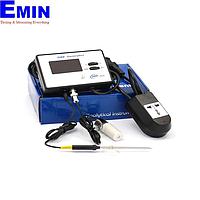
ORP Online Controller, Sensor Inspection Service
Stable oxidation-reduction potential measurement is essential in water treatment, chemical dosing, process control, and many other industrial environments where liquid quality must be monitored continuously. When ORP instruments drift, respond slowly, or show inconsistent values, the issue may come from the sensor, the controller, installation conditions, or overall loop condition. This is why a structured ORP Online Controller, Sensor Inspection Service is important for maintaining reliable process data and reducing avoidable downtime.
What this inspection service typically helps verify
An ORP online controller and its sensor work as a measurement pair. If one side has a problem, the displayed value may no longer reflect actual process conditions, which can affect dosing control, alarm handling, and quality records. Inspection service is therefore not only about checking whether the device powers on, but also about reviewing measurement stability, signal behavior, and the condition of the sensing element in real operating context.
In many facilities, ORP measurement is exposed to fouling, chemical attack, scaling, electrical noise, or aging components. A practical inspection process can help identify whether the sensor still reacts correctly, whether the controller receives and interprets the signal properly, and whether maintenance or replacement should be planned before performance degrades further.
Why ORP inspection matters in continuous monitoring applications
ORP is often used where process changes need to be detected quickly enough for operators or automated systems to respond. In such cases, unreliable measurement can lead to under-dosing, over-dosing, unstable treatment performance, or unnecessary operator intervention. Regular inspection helps support measurement reliability rather than waiting for a visible failure.
Compared with occasional spot checks, online systems run continuously and are exposed to day-to-day process variation. This makes periodic inspection valuable for confirming that the sensor and controller remain suitable for service conditions, especially in applications involving treated water, wastewater, chemical solution monitoring, and industrial utility systems.
Common points reviewed during ORP controller and sensor inspection
The exact inspection scope can vary by device condition and site requirements, but it generally focuses on the health of the sensing loop and controller response. For ORP systems, technicians often look at sensor condition, signal stability, display behavior, wiring condition, and whether the installed system still performs consistently under process conditions.
- Visual condition of the ORP sensor and connection points
- Response behavior and indication stability of the controller
- Signs of contamination, coating, scaling, or electrode aging
- Cable, terminal, and signal transmission condition
- Basic review of installation environment and operating suitability
Where facilities run several liquid analysis points together, it is also useful to review related inspection categories such as chlorine sensor and online controller inspection or conductivity and TDS inspection service when multiple analytical loops are maintained in the same system.
Representative brands covered in this category
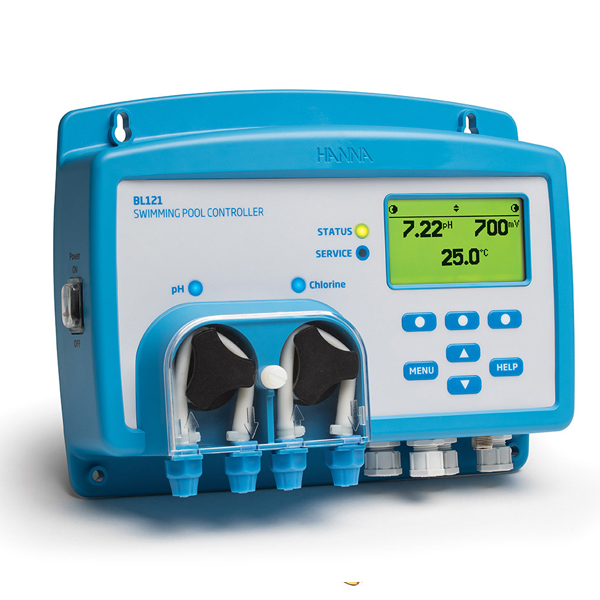
This category includes inspection service options for widely used brands such as HANNA, Meinsberg, and Sansel. Brand-specific familiarity can be useful during inspection because controller menu structures, sensor interfaces, and service handling may differ even when the basic ORP measurement principle is similar.
Examples listed in this category include the HANNA ORP Online Controller, Sensor Inspection Service, the Meinsberg ORP Online Controller, Sensor Inspection Service, and the Sansel ORP Online Controller, Sensor Inspection Service. These listings help users identify relevant service coverage for installed equipment without turning the category page into a simple product list.
How to choose the right service option for your installed system
When selecting an inspection service, the first step is to confirm the installed manufacturer, controller type, and the actual field role of the ORP point. Some systems are used for direct process control, while others are primarily for indication or alarm monitoring. The service requirement may be different depending on how critical the measurement is to plant operation.
It is also helpful to consider current symptoms. For example, slow response, drifting values, unstable readings, or repeated maintenance demand may indicate that inspection should focus not only on the sensor tip but also on signal transmission and controller interpretation. If your site operates multiple analytical technologies, related services such as free ion sensor inspection can provide additional context for broader liquid analysis maintenance planning.
ORP sensors as part of a wider water analysis and process instrumentation setup
ORP measurement rarely operates in isolation. In many treatment and process systems, it sits alongside pH, conductivity, chlorine, suspended solids, or other analytical measurements. Because of this, inspection work often supports a broader strategy of keeping the full instrumentation chain dependable, from field sensor to controller to operator decision-making.
Facilities that manage wastewater or solids-related monitoring may also need complementary services such as SS and MLSS sensor inspection. Looking at instruments as part of one ecosystem can make maintenance planning more efficient and reduce the risk of solving one measurement problem while overlooking others nearby.
When an inspection service is especially worth considering
Inspection is often a sensible step when readings no longer match process expectations, after long operating periods without review, or when a site is preparing for maintenance shutdown planning. It is also relevant after sensor replacement, controller changes, or process condition shifts that may influence sensor behavior.
For B2B users, the value of inspection is not only technical. It also supports maintenance documentation, service planning, spare part decisions, and more informed replacement timing. A measured approach is usually more practical than replacing equipment too early or continuing to operate with uncertain data.
Support better decisions with a structured ORP inspection approach
A well-selected sensor inspection service helps confirm whether the ORP measuring point is still fit for continuous operation and whether the controller-sensor combination is performing as expected. That makes it easier to maintain process consistency, reduce troubleshooting time, and plan maintenance based on actual condition rather than guesswork.
If your operation relies on continuous liquid analysis, this category provides a focused starting point for reviewing service options for HANNA, Meinsberg, and Sansel ORP systems. Choosing the right inspection path can help restore confidence in your measurement loop and support more stable day-to-day operation.
Get exclusive volume discounts, bulk pricing updates, and new product alerts delivered directly to your inbox.
By subscribing, you agree to our Terms of Service and Privacy Policy.
Direct access to our certified experts