
Precision Scale Inspection Service
Accurate weighing depends on more than the scale itself. In laboratories, production lines, quality control stations, and receiving areas, even small deviations can affect formulations, compliance records, and product consistency. A reliable Precision Scale Inspection Service helps verify that weighing equipment is operating as expected and remains suitable for day-to-day use.
This category focuses on inspection services for precision scales and balances used where measurement stability and repeatability matter. It is especially relevant for businesses that need confidence in routine weighing tasks, internal quality checks, and documented equipment condition across industrial and technical environments.
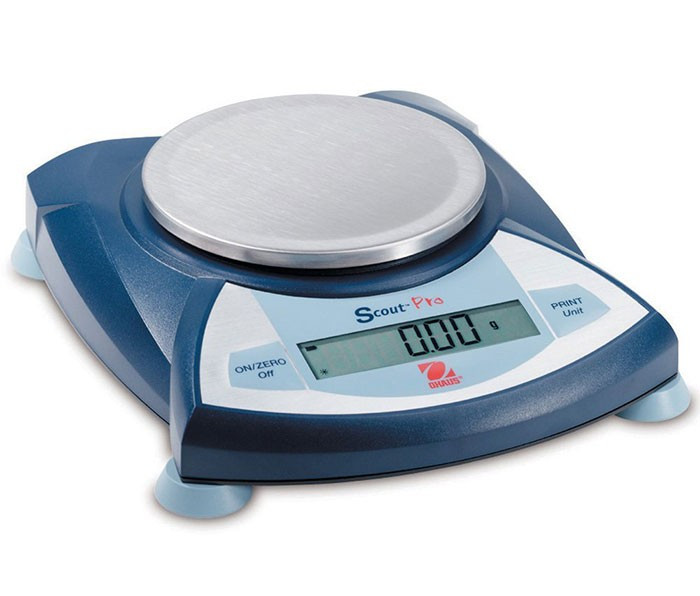
Why precision scale inspection matters
Precision weighing devices are often used in processes where a small reading error can create larger downstream issues. Inspection helps identify whether the scale is responding properly, whether the display and weighing behavior are consistent, and whether the equipment is still appropriate for its intended measurement range and working conditions.
For many organizations, inspection is also part of a broader maintenance and quality approach. It supports traceability, reduces the risk of unnoticed drift, and provides a practical basis for deciding when a unit can remain in service, when adjustment may be needed, or when a more formal calibration path should be considered.
Typical equipment covered in this service category
This category is designed for precision scales and related electronic balances used in controlled weighing applications. These instruments are commonly found in laboratories, test rooms, sample preparation areas, electronics assembly, small-parts counting, and production environments where finer resolution is required than standard industrial weighing equipment can provide.
Compared with heavier-duty platforms, precision scales are often more sensitive to installation conditions, handling practices, and environmental influences. That is why inspection usually focuses not only on the weighing result, but also on the overall operating condition of the instrument, its suitability for the task, and the consistency of its measurement behavior over time.
What users typically look for in a precision scale inspection service
An effective inspection process usually aims to confirm the basic functional health of the device and reveal issues that may affect weighing reliability. Depending on the equipment and usage context, this can include visual condition checks, operational review, response verification, display behavior, and general assessment of how the scale performs in normal working conditions.
For users managing several types of weighing equipment, it is also helpful to align inspection scope with the application. A compact bench balance used for fine material handling may require different attention than heavier systems covered under floor scale inspection services or suspended systems typically handled in crane scale inspection service workflows.
Representative brands and service examples
This category includes inspection service options associated with widely used weighing brands in technical and industrial settings. Examples include services for Mettler Toledo, AND, KERN, OHAUS, RADWAG, TANITA, CAS, YOKE, AXIS, and ELCOMETER equipment, allowing buyers to find support that matches the installed device base in their facility.
Representative listings in this category include Mettler Toledo Precision Balance Inspection Service, AND Precision Scale Inspection Service, OHAUS Precision Balance Inspection Service, and RADWAG Precision Balance Inspection Service. These examples help illustrate the scope of the category without limiting it to a single manufacturer or one specific weighing application.
How to choose the right service option
When selecting a service, start with the actual role of the instrument in your process. Consider the scale type, the level of measurement sensitivity required, the frequency of use, and whether the device supports internal quality control, incoming inspection, formulation work, or product verification. The more critical the weighing result is to your process, the more important it becomes to define a clear inspection routine.
It is also useful to match the service to the equipment class rather than choosing based on brand name alone. For example, some applications may be better aligned with analyzer scale inspection service or moisture analyzer inspection service categories when the weighing system is integrated into a more specialized analytical workflow.
Common use environments for precision scales
Precision scales are often deployed in environments where operators need dependable results for small quantities or fine incremental measurements. This includes chemical handling, sample batching, electronics work, R&D tasks, packaging verification, and quality assurance procedures where stable readings and consistent instrument behavior are important.
Because these devices are sensitive instruments, inspection is particularly valuable when scales are used frequently, relocated between workstations, or exposed to dust, vibration, temperature variation, or uneven installation surfaces. Regular review helps users catch practical issues early before they affect routine measurements or internal documentation.
Supporting quality control and equipment lifecycle planning
A structured inspection program can do more than identify immediate faults. It also helps maintenance teams and quality personnel build a clearer picture of equipment condition across the weighing fleet. Over time, this supports better planning for servicing, replacement decisions, and standardization across departments or sites.
For organizations with multiple balance types, separating services by equipment category makes management easier. Precision scales typically require a more focused review than general-purpose industrial scales, so using the right service category improves both reporting clarity and operational relevance.
Find a suitable inspection service for your weighing equipment
This category brings together service options for businesses that rely on accurate, repeatable results from electronic precision weighing instruments. Whether you are maintaining a single laboratory balance or managing several devices across production and quality functions, the goal is to keep equipment condition visible and measurement performance under control.
By choosing a service that matches the instrument type and application, buyers can simplify maintenance planning and support more reliable weighing operations. Browse the available precision scale inspection service options to find a practical fit for your equipment, usage environment, and internal quality requirements.
Get exclusive volume discounts, bulk pricing updates, and new product alerts delivered directly to your inbox.
By subscribing, you agree to our Terms of Service and Privacy Policy.
Direct access to our certified experts
