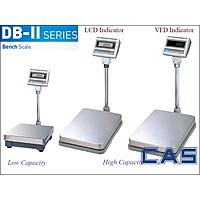
Table Scale Inspection Service
Reliable weight readings are essential in packaging, incoming goods control, portioning, batching, and many other daily processes. When a bench or tabletop scale is used as a routine decision-making tool, periodic inspection helps verify that the equipment still performs as expected and supports consistent quality on the production floor, in the warehouse, or in the laboratory support area.
Table Scale Inspection Service is intended for businesses that want a practical way to assess the condition and weighing performance of compact scales used on worktables, counters, or benches. This type of service is especially relevant where repeatability, stable operation, and confidence in displayed values matter for process control and internal quality requirements.
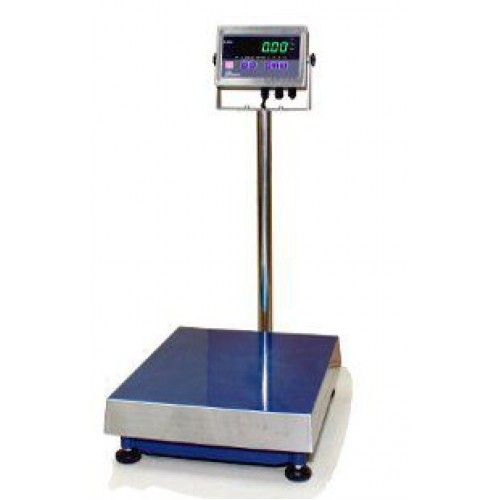
Where table scale inspection is typically used
Table scales are common in environments that require frequent weighing of parts, ingredients, parcels, or small containers. Because these instruments often operate continuously and may be exposed to vibration, overload, dust, or cleaning routines, inspection is a sensible maintenance step for identifying drift, wear, or functional issues before they affect operations.
Typical use cases include manufacturing workstations, packaging lines, shipping departments, food preparation areas, and internal quality checks. Compared with larger weighing systems, tabletop models are compact and flexible, but that same convenience means they are often moved, repositioned, or used by multiple operators, which can increase the need for regular condition checks.
What an inspection service helps you evaluate
An inspection does not simply look at whether the scale powers on. It is generally used to review the overall condition of the unit, verify key weighing behavior, and determine whether the instrument remains suitable for its intended application. This can include checking display response, platform condition, operating stability, and general weighing consistency under normal use conditions.
For many users, the main goal is to reduce uncertainty in routine weighing tasks. A structured inspection can support internal maintenance planning, help identify when adjustment or further service may be needed, and provide a clearer basis for deciding whether a scale should remain in service, be repaired, or be replaced.
Suitable service options for common bench scale brands
This category includes inspection service options aligned with widely used bench and table scale brands. Examples include services for KERN, OHAUS, PCE, AXIS, and CAS equipment, helping buyers find a relevant service path for installed devices already used in their facility.
Representative listings in this category include the KERN Bench Scale Inspection Service, OHAUS Bench Scale Inspection Service, PCE Benchtop Scale Inspection Service, AXIS Electronic Bench Inspection Service, and CAS Bench Scale Inspection Service. These examples illustrate the scope of the category without turning the page into a simple product list; the important point is that inspection can be matched to the scale brand and equipment type already in operation.
How to decide when inspection is needed
Inspection intervals depend on how the scale is used and how critical the measurement is to the process. Equipment used in repetitive production steps or for acceptance checks may require more frequent review than scales used only occasionally for internal reference. If the unit has been relocated, exposed to impact, or shows unstable readings, an inspection becomes even more relevant.
Many organizations also schedule inspections as part of preventive maintenance. This is a practical approach when weighing equipment supports traceability, inventory control, or process repeatability. Even when a table scale appears to function normally, gradual performance changes can go unnoticed without a formal check.
Choosing the right inspection category for your equipment
Not every weighing device should be handled under the same service category. A compact tabletop unit used for everyday portioning has different handling and application considerations than larger or more specialized systems. If your equipment is designed for pallet and heavy-load tasks, the more suitable option may be a floor scale inspection service.
Likewise, suspended load applications call for different inspection requirements, which is why users working with lifting operations should review the crane scale inspection service. For high-resolution weighing tasks or more demanding measurement sensitivity, a precision scale inspection service may be more appropriate.
Why inspection matters for process reliability
In B2B environments, weighing errors can affect more than a single measurement. They may influence batch consistency, packing accuracy, material consumption records, or internal quality documentation. A periodic inspection helps maintain process reliability by revealing issues that might otherwise remain hidden during routine operation.
This is particularly useful for teams that need confidence in day-to-day weighing but do not want to wait until a scale fails completely. By identifying performance concerns early, inspection supports better planning and helps reduce unplanned disruption in production, logistics, and quality workflows.
What buyers often look for in a table scale service category
Most buyers want a service option that is easy to match with the scale they already use, especially when multiple brands exist across one site. Brand familiarity can therefore matter in purchasing decisions, and this category reflects common market names such as CAS, KERN, OHAUS, PCE, and AXIS without overcomplicating the selection process.
They also tend to look for a category structure that makes sense within a broader weighing service ecosystem. That is why it helps to separate bench and tabletop equipment from heavy-duty floor models, suspended scales, analytical devices, and other specialized weighing instruments. A clearer category fit makes it easier to choose the service that aligns with the actual application.
Supporting better maintenance decisions
Table scale inspection is a practical step for companies that rely on compact weighing equipment in routine operations. Whether the scale is used for packaging, counting, portion control, or internal checks, a focused inspection helps confirm the unit’s condition and supports better maintenance planning over time.
If you are reviewing service options for bench or tabletop weighing equipment, this category provides a relevant starting point. It helps narrow the search to the right type of scale, the right brand context, and the right service path so your team can maintain dependable weighing performance with fewer surprises.
Get exclusive volume discounts, bulk pricing updates, and new product alerts delivered directly to your inbox.
By subscribing, you agree to our Terms of Service and Privacy Policy.
Direct access to our certified experts