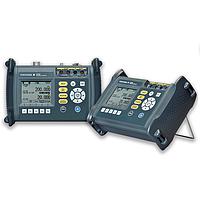
Portable pressure calibrator Repair Service
When a portable pressure calibrator starts drifting, responding slowly, or showing unstable readings, field work and maintenance schedules can be affected almost immediately. In pressure calibration, even a small performance issue can lead to unnecessary troubleshooting, failed verification tasks, or reduced confidence in process measurements. A professional portable pressure calibrator repair service helps restore instrument performance so the device can continue supporting maintenance, commissioning, and calibration routines with greater reliability.
These instruments are widely used in plants, utilities, laboratories, and service environments because they combine portability with practical pressure measurement and simulation functions. Over time, however, portable units are exposed to demanding site conditions such as vibration, contamination, pressure overload, temperature variation, and frequent transport. That is why repair support is an important part of the lifecycle for pressure calibration equipment.
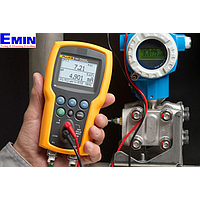
Why repair matters for portable pressure calibrators
A portable pressure calibrator is often used as a working reference in field maintenance and instrument verification. If the device develops sensor instability, keypad or display faults, connection leaks, charging issues, or pressure generation problems, the impact goes beyond the instrument itself. It can slow down calibration work, affect traceability workflows, and increase the risk of incorrect decisions during troubleshooting.
Repair service is therefore not only about fixing a visible fault. It is also about evaluating the overall condition of the unit, identifying worn or damaged parts, and restoring the calibrator so it can be used safely and effectively in pressure-related tasks. For organizations that depend on regular instrument maintenance, this can help reduce downtime and extend the useful life of existing equipment.
Typical issues seen in service and maintenance
Portable pressure calibrators can develop problems in several areas of the instrument. Common service cases include unstable pressure readings, inaccurate response, damaged ports or fittings, power-related failures, display malfunction, switch or keypad issues, and general wear from regular field use. In some cases, the issue is obvious; in others, performance degradation becomes noticeable only when the calibrator is compared during verification work.
Because these devices may include both pressure measurement elements and electronic control or indication functions, repair work often requires a structured inspection process. This is especially relevant for users working with multifunction calibration equipment, where pressure functions may be only one part of a wider maintenance workflow alongside process signal calibrator repair services or broader electrical test support.
Supported brands and service examples
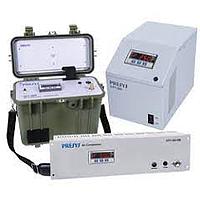
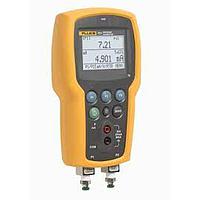
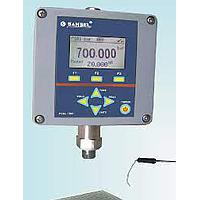
This category covers repair support for portable pressure calibrators from widely used manufacturers in industrial calibration and maintenance environments. Examples include instruments from FLUKE, Fluke (Calibration), YOKOGAWA, Additel, Nagman, PRESYS, and Sansel. Brand-specific service examples in this category include the FLUKE Portable Pressure Calibrator Repair Service, Yokogawa Portable Pressure Calibrator Repair Service, Additel Portable Pressure Calibrator Repair Service, Nagman Portable Pressure Calibrator Repair Service, PRESYS Portable Pressure Calibrator Service, and Sansel Portable Pressure Calibrator Repair Service.
Different manufacturers may use different hardware layouts, interfaces, pressure modules, and operating concepts, so service requirements can vary from one unit to another. In practical terms, that means the repair path should be matched to the instrument platform and the symptoms observed in the field, rather than treating every portable calibrator as if it fails in the same way.
What to consider before sending a unit for repair
Before arranging service, it is useful to record the instrument behavior as clearly as possible. Note whether the problem appears during power-up, pressure generation, zeroing, measurement stability, display operation, battery charging, or connection to accessories and test hoses. If the calibrator has been exposed to overpressure, contamination, impact, or harsh site conditions, that information can also help speed up assessment.
Users should also consider whether the fault is isolated to a pressure function or whether the instrument is part of a wider calibration setup with other devices that may need attention. For example, if the pressure source or reference chain includes related equipment, a review of pressure comparator repair service options may also be relevant in some maintenance environments.
Repair service in the context of calibration workflows
Pressure calibrators are often used alongside electrical, temperature, or rotational calibration tools depending on the site and process being maintained. Because of that, repair planning is usually more effective when it is aligned with the broader instrument management program. A portable unit that has been repaired should fit back into the user’s established workflow for inspection, verification, and routine maintenance.
In organizations managing multiple types of calibrators, related support categories such as electrical calibrator repair service may be useful when several instruments are serviced together. This is particularly helpful for maintenance teams that schedule shutdown work, bench checks, or asset reviews across different measurement disciplines.
How to choose the right service path
The best starting point is to match the service request to the actual instrument type and application. A unit used mainly for field pressure checks may face different wear patterns from one used in a workshop or calibration lab. Understanding the operating environment, usage frequency, and fault symptoms helps determine whether the priority is functional restoration, troubleshooting of intermittent issues, or a more complete technical evaluation.
It is also helpful to identify the brand and service category accurately. A portable pressure calibrator is not the same as a dry block, a bath calibrator, or a tachometer calibrator, even though all may sit under the broader calibration service umbrella. Clear categorization makes the service process more efficient and reduces the chance of delays caused by incomplete fault descriptions or mismatched expectations.
When repair is a practical alternative to replacement
In many industrial settings, replacing a familiar portable calibrator is not always the fastest or most economical option. Existing procedures, accessories, user familiarity, and asset records may all be built around a current unit. If the instrument still fits the application and the issue is repairable, service can be a practical way to return the device to operational use without changing the established workflow.
This is especially relevant for teams that rely on trusted field instruments from FLUKE, YOKOGAWA, Additel, Nagman, PRESYS, or Sansel. Keeping those units serviceable can support continuity in day-to-day maintenance activities while helping users preserve value from equipment already integrated into their calibration routines.
Final thoughts
Portable pressure calibrator repair service is an important support category for organizations that depend on accurate and dependable pressure calibration tools in the field or workshop. Whether the issue involves unstable readings, mechanical damage, power faults, or general wear, a structured repair approach helps bring the instrument back into useful service with less disruption to maintenance operations.
For buyers and maintenance teams, the key is to assess the fault clearly, match the request to the correct instrument type, and consider how the calibrator fits into the wider calibration ecosystem. That approach makes it easier to choose suitable service support and keep pressure-related work moving with greater confidence.
Get exclusive volume discounts, bulk pricing updates, and new product alerts delivered directly to your inbox.
By subscribing, you agree to our Terms of Service and Privacy Policy.
Direct access to our certified experts