Alkaline Meter Repair Service
When alkalinity measurement becomes unstable, process decisions can quickly lose accuracy. In water treatment, laboratory testing, food and beverage production, and environmental monitoring, a meter that drifts, responds slowly, or fails to calibrate can interrupt routine work and reduce confidence in the results. This is why a reliable Alkaline Meter Repair Service matters: it helps restore instrument performance so alkalinity readings remain usable in day-to-day operation.
This service category is intended for users who need support for faulty or aging alkalinity meters, whether the issue is related to sensor response, display behavior, calibration problems, power supply, or general wear from regular field and bench use. It is especially relevant when replacing the instrument immediately is not the most practical option and a professional repair path can extend equipment life.
Why alkalinity meter repair is important
Alkalinity measurement is closely tied to water chemistry control, making the instrument more than just a basic handheld tool. Whether the meter is used for routine sample checks or more formal quality procedures, poor performance can affect trending, verification, and operational adjustments. A repair service helps address faults before they turn into longer downtime or repeated measurement uncertainty.
In many cases, users begin looking for service when the meter no longer completes calibration normally, gives inconsistent readings between samples, or shows physical damage after transport or daily use. A structured repair process is useful because it focuses on identifying the root issue rather than only treating visible symptoms. For organizations managing several environmental instruments, this also supports more consistent maintenance planning across the site.
Typical issues seen in alkalinity meters
Repair needs can come from both electronic and measurement-related problems. Common examples include unstable values, buttons that no longer respond properly, charging or battery faults, damaged connectors, display errors, or difficulties communicating with the probe or sensing element. In other cases, the instrument powers on but does not perform reliably enough for normal testing.
Measurement drift is another frequent reason for service. This may appear as readings that take too long to stabilize, values that do not repeat well across similar samples, or calibration behavior that seems abnormal. While some issues are caused by accessories or consumable parts, others point to the main unit and require a more complete diagnostic and repair workflow.
Support for HANNA alkalinity instruments
For many buyers, brand familiarity is important when selecting a service pathway. This category includes support related to HANNA instruments, a manufacturer widely recognized in water analysis and portable measurement equipment. Where applicable, the service can be relevant for users looking to restore the function of a HANNA alkalinity meter rather than moving straight to replacement.
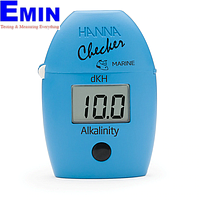
One representative item in this category is the HANNA Alkalinity Meter Repair Service. This listing helps illustrate the type of repair support available for alkalinity measurement equipment in this product family. For buyers responsible for maintenance, procurement, or lab coordination, that makes it easier to identify a service option aligned with the installed instrument base.
What to consider before sending a meter for repair
Before arranging service, it helps to record the actual fault behavior as clearly as possible. Useful details often include how the instrument fails, whether the problem is constant or intermittent, what happened before the failure, and whether calibration or sample testing still works at all. This kind of information can improve service efficiency and reduce back-and-forth during the initial evaluation stage.
It is also practical to review the meter’s recent operating environment. Exposure to moisture, chemical residue, impact, storage conditions, or heavy daily handling can all contribute to failure over time. If the unit is part of a broader environmental testing setup, teams may also want to inspect related equipment so hidden maintenance issues do not remain in the workflow.
How repair service fits into a broader maintenance strategy
Repair is often only one part of keeping measurement systems dependable. Facilities that rely on multiple portable or benchtop instruments usually benefit from a structured approach that combines routine checks, cleaning, accessory inspection, and timely service intervention. This is especially true where alkalinity testing is used alongside other environmental measurements that support compliance, process verification, or product quality control.
For example, teams managing different analytical tools may also need support for related service categories such as water activity meter repair or dew point meter repair. Looking at service needs across the instrument fleet can help reduce unexpected downtime and make maintenance planning more predictable.
Choosing the right service category for your instrument
Because environmental instruments can appear similar at a glance, selecting the correct repair category is important. An alkalinity meter should be matched to service intended for alkalinity measurement equipment, not just any handheld environmental tester. This improves the chance that the repair request is routed correctly and evaluated in the right technical context.
If your device belongs to another measurement group, browsing adjacent service categories may be helpful. For example, organizations working with site assessment, laboratory monitoring, or portable field inspection equipment may also encounter needs such as light meter repair. Choosing the most accurate category from the start helps streamline support and avoids unnecessary delays.
Who this service is suited for
This category is relevant for laboratories, utility operators, industrial plants, environmental service providers, and maintenance teams that depend on alkalinity measurement in regular operations. It can also be useful for procurement staff looking for a clear service route when a meter has failed and internal troubleshooting is no longer enough.
In B2B settings, the goal is usually not just to fix a device, but to restore a workable measurement asset within the broader testing process. A well-matched repair service category makes that easier by connecting the instrument issue to a support path that is more specific than a general inquiry and more practical than immediate replacement in every case.
Final notes
If your alkalinity meter is no longer operating as expected, using a dedicated meter repair service is a practical step toward regaining stable performance and reducing disruption in testing work. The category is designed to help users identify repair support for alkalinity instruments, including relevant HANNA equipment where applicable.
By choosing the correct service category and sharing clear fault information, buyers can move more efficiently from instrument failure to corrective action. For organizations that rely on consistent water chemistry measurement, that can make a meaningful difference in uptime, troubleshooting effort, and confidence in daily results.
Get exclusive volume discounts, bulk pricing updates, and new product alerts delivered directly to your inbox.
By subscribing, you agree to our Terms of Service and Privacy Policy.
Direct access to our certified experts