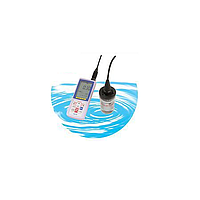
Chlorine meter Repair Service
When chlorine readings become unstable, slow to respond, or inconsistent with process conditions, the issue can affect far more than a single instrument. In water treatment, laboratory monitoring, and environmental control applications, a faulty meter can lead to unnecessary chemical adjustments, unreliable records, and avoidable downtime. This is why a professional Chlorine meter Repair Service is an important part of maintaining dependable measurement performance.
This service category is intended for organizations that rely on chlorine measurement in routine operations and need practical support for restoring instrument function. Whether the problem involves sensor response, display behavior, signal drift, or general wear from field use, repair work helps extend equipment life and reduce disruption in critical monitoring points.
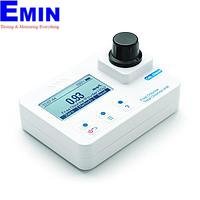
Why chlorine meter repair matters in real applications
Chlorine meters are commonly used where water quality must be controlled and documented. In these environments, measurement reliability is closely tied to operational decisions, from dosing verification to compliance-oriented checks. A meter that has lost accuracy or stability can create uncertainty throughout the workflow, even if the issue appears minor at first.
Professional repair service focuses on bringing the instrument back to a usable and trustworthy condition. Depending on the fault, this may involve inspection, diagnosis, replacement of worn parts, correction of electronic issues, or restoration of normal measurement behavior. For many users, repair is a practical option before replacing the entire device, especially when the instrument is already integrated into established procedures.
Common signs that a chlorine meter may need service
Some failures are obvious, such as a unit that will not power on or a display that no longer functions correctly. Other problems develop more gradually, including unstable readings, poor repeatability, delayed response, or difficulty completing normal calibration steps. In field and plant environments, exposure to moisture, handling stress, contamination, and long-term use can all contribute to these symptoms.
Service is also worth considering when a meter appears operational but no longer inspires confidence in routine checks. If measurements drift unexpectedly, results differ from reference methods, or the instrument behaves inconsistently from one sample to another, a structured diagnostic assessment can help identify the root cause rather than relying on trial-and-error replacement of accessories or consumables.
Supported brands and service examples
This category includes repair support for chlorine meters from established manufacturers used across industrial, laboratory, and environmental applications. Examples include service options related to HACH, YSI, HANNA, EXTECH, TOA DKK, MILWAUKEE, ELCOMETER, EZDO, and GLobal Water equipment.
Representative listings in this category include the HACH Chlorine Meter Repair Service, YSI Chlorine Meter Repair Service, HANNA Chlorine Meter Repair Service, EXTECH Chlorine Meter Repair Service, TOA DDK Chlorine Meter Repair Service, and MILWAUKEE Chlorine Meter Repair Service. These examples help show the scope of supported brands, while the actual repair path depends on the instrument condition and the symptoms observed in use.
What a repair service typically addresses
A chlorine meter is more than a simple readout device. Performance may depend on the condition of the sensor interface, internal electronics, power section, connectors, display, and user controls. Effective repair work therefore starts with understanding where the failure occurs and how it affects overall measurement behavior.
Typical service work may cover fault diagnosis, inspection of damaged or degraded components, correction of electrical or functional issues, and verification that the instrument operates normally after repair. In many cases, users also benefit from checking related measurement practices, since sensor condition, sample handling, and general maintenance can influence apparent meter performance.
- Intermittent powering or startup problems
- Display or keypad issues
- Reading drift or unstable values
- Slow response during testing
- Communication or interface-related faults where applicable
- General wear from field or routine plant use
Choosing the right repair path for your instrument
Not every chlorine meter problem should be approached in the same way. Portable units used for spot checks may face different stress than instruments used more intensively in laboratories or utility settings. Before arranging service, it is useful to note the brand, visible symptoms, operating history, and whether the issue is constant or intermittent. This helps streamline troubleshooting and reduces unnecessary delays.
It is also helpful to separate repair needs from calibration or routine maintenance questions. If the instrument has suffered physical impact, liquid ingress, unstable electronics, or repeated measurement anomalies, repair is usually the more appropriate route. Where users manage multiple environmental instruments, related service categories such as water activity meter repair or dew point meter repair may also be relevant for broader maintenance planning.
Repair service as part of instrument lifecycle management
For many B2B users, repair is not only about fixing a current fault. It is part of a broader strategy for managing measurement assets, controlling replacement costs, and keeping critical instruments available for routine work. A well-timed repair can support continuity in applications where replacing equipment immediately is less practical due to budget, lead time, or process validation requirements.
This is especially relevant when organizations use instruments from multiple manufacturers. For example, teams working with YSI devices in one workflow and HANNA or EXTECH meters in another often benefit from a consistent service approach across brands. Similar planning may also extend to other portable testing equipment, including light meter repair services when environmental monitoring assets are managed together.
When to request service instead of replacing the meter
Replacement may be appropriate for severely damaged or obsolete instruments, but many chlorine meters can still justify repair when the core platform remains useful. This is often the case when the instrument is familiar to the operating team, already documented in internal procedures, or part of a routine testing setup that users prefer not to change unnecessarily.
A practical evaluation usually considers the age of the unit, visible condition, fault severity, and the importance of measurement continuity. In many cases, a repair-first approach makes sense when the issue appears localized and the device still has service value. That can be especially useful for organizations aiming to reduce downtime while preserving existing measurement workflows.
Find repair support for chlorine measurement equipment
This category brings together repair options for chlorine meters used in environmental and water-related measurement tasks. With brand-specific service examples covering manufacturers such as HACH, YSI, HANNA, EXTECH, TOA DKK, and others, it provides a practical starting point for users who need to restore instrument function rather than replace equipment prematurely.
If your chlorine meter is showing unstable readings, power issues, display faults, or other performance problems, reviewing the available service options can help you identify the most suitable next step. A focused repair service can improve reliability, support ongoing testing requirements, and help keep essential measurement tools in service for longer.
Get exclusive volume discounts, bulk pricing updates, and new product alerts delivered directly to your inbox.
By subscribing, you agree to our Terms of Service and Privacy Policy.
Direct access to our certified experts