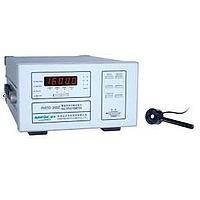
Photometer Repair Service
When a photometer starts drifting, reading inconsistently, or failing to complete a measurement cycle, routine water testing and laboratory workflows can slow down quickly. In many facilities, these instruments support daily control checks, process verification, and sample analysis, so reliable service is essential to keep results usable and downtime manageable.
Photometer Repair Service is intended for users who need support for malfunctioning or unstable photometric instruments used in environmental and analytical applications. Whether the issue involves display behavior, optics, measurement repeatability, buttons, power supply, or general device condition, a structured repair process helps restore the instrument to practical working condition.
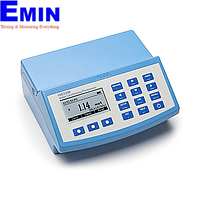
Why photometer repair matters in real testing environments
Photometers are commonly used where fast, repeatable measurements are needed without the complexity of larger analytical systems. Because they rely on stable light transmission, sensing components, electronics, and user interface controls, even a small fault can affect confidence in the result or stop testing altogether.
Repair service is especially relevant when the instrument still fits the application, but its performance has become unreliable in day-to-day use. In these cases, restoring functionality can be more practical than replacing the unit immediately, particularly when operators are already familiar with the workflow and accessories.
Common issues seen in photometer service requests
Service needs can vary from obvious hardware failure to gradual performance problems noticed over time. Typical concerns include the instrument not powering on, unstable readings, error messages, keypad or display malfunction, poor response during measurement, or mechanical wear affecting normal operation.
For photometric instruments, optical path condition and electronic stability are both important. A repair workflow may therefore involve inspection of internal components, basic functional verification, and replacement or correction of failed parts where appropriate. This type of support is valuable for users who depend on consistent readings for process monitoring or routine test programs.
Support for HANNA photometer equipment
Users working with HANNA instruments often look for service that understands the practical requirements of portable and benchtop measurement equipment. The available HANNA Photometer Repair Service is relevant for organizations that need maintenance or corrective action for devices used in water quality and related testing tasks.
When discussing repair for a specific unit, it is useful to identify the model, observed fault symptoms, operating condition, and any recent changes in performance. Clear information at the start helps streamline evaluation and supports a more efficient repair decision process.
How to evaluate whether repair is the right choice
A practical decision usually depends on the instrument’s role in your workflow, the severity of the fault, and the importance of maintaining continuity with existing test methods. If the photometer is already integrated into regular procedures, repair may help preserve operator familiarity and reduce disruption to ongoing work.
It is also helpful to consider whether the issue appears isolated or part of broader instrument aging. For example, an intermittent display or power problem may point to a focused hardware fault, while persistent measurement inconsistency may call for a deeper check of the optical system, electronics, and overall device condition.
Related repair needs across environmental instruments
Facilities that use photometers often maintain several other portable or laboratory measurement devices at the same time. If your maintenance planning includes multiple instrument types, related service categories such as light meter repair service or dew point meter repair service may also be relevant.
This broader view is useful for laboratories, utilities, environmental monitoring teams, and industrial users who want a more organized approach to equipment upkeep. Grouping repair needs by instrument family can make service planning more efficient and reduce unexpected interruptions in measurement work.
Information that helps speed up the repair process
Before sending a unit for service, it helps to prepare a short summary of the problem. Useful details include the manufacturer, model name, visible damage, exact fault symptoms, startup behavior, and whether the issue is constant or intermittent. If the instrument still powers on, noting how it behaves during an actual test can be especially helpful.
Accessories, sample cells, adapters, or power components associated with the fault may also matter in diagnosis. Sharing complete background information supports a more accurate initial assessment and improves the chances of identifying the root cause quickly.
Choosing a repair service with the right technical focus
Photometers sit at the intersection of optical measurement, electronics, and application-specific testing. For that reason, repair should not be treated as a generic hardware task alone. A suitable service approach considers how the device is actually used, what symptoms affect the reading process, and which functions are essential for returning the instrument to service.
For buyers and maintenance teams, the main goal is not simply to fix a fault, but to restore dependable operation in the context of real measurement work. That is why functional reliability, symptom-based evaluation, and a clear understanding of the instrument’s application are all important when selecting a photometer repair option.
Final considerations
If your instrument is showing unstable readings, power issues, interface problems, or general loss of usability, a dedicated photometer repair service can be a practical next step. It helps organizations extend the working life of existing equipment while supporting continuity in testing and monitoring routines.
For teams using HANNA or similar environmental testing instruments, a focused repair path can make it easier to address faults without disrupting established workflows. Reviewing the instrument condition carefully and providing clear fault information will help you move toward the most appropriate service decision.
Get exclusive volume discounts, bulk pricing updates, and new product alerts delivered directly to your inbox.
By subscribing, you agree to our Terms of Service and Privacy Policy.
Direct access to our certified experts