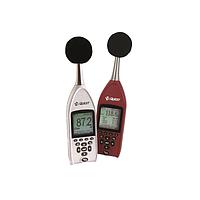
Sound level meter Repair Service
Reliable acoustic measurements depend not only on the quality of the instrument, but also on its condition over time. In factories, laboratories, building surveys, environmental monitoring, and workplace safety programs, a malfunctioning sound meter can lead to unstable readings, failed compliance checks, and unnecessary retesting. A professional Sound level meter Repair Service helps restore measurement reliability and extends the usable life of critical test equipment.
Whether the issue involves display problems, unstable response, damaged controls, microphone-related faults, battery or power issues, or general wear from field use, repair support is an important part of instrument lifecycle management. For organizations that rely on routine noise assessment, timely service also helps reduce downtime and keeps inspection workflows moving.
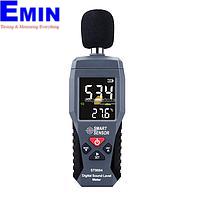
Why sound level meter repair matters
Sound level meters are used where measurement accuracy directly affects reporting, occupational safety, and environmental evaluation. If the instrument begins to drift, reacts slowly, shows inconsistent values, or no longer operates normally in the field, repair becomes more than a maintenance task—it becomes part of protecting data quality.
A well-handled repair process can address both obvious faults and underlying issues that may not be immediately visible during day-to-day use. This is especially important for instruments exposed to transport, repeated site work, dust, vibration, or accidental impact. In many cases, repair is a practical alternative to replacement, particularly for established instruments from brands such as HIOKI, TESTO, TSI, EXTECH, or Chauvin Arnoux.
Common issues seen in sound level meters
Problems with acoustic measuring instruments can appear gradually or suddenly. Users may notice unstable readings, buttons that do not respond consistently, difficulty powering on, intermittent display behavior, or signs that the meter no longer reacts normally to changing sound conditions. In portable instruments, connectors, housings, battery terminals, and input sections are also common areas of concern.
Another category of service cases involves wear caused by regular field deployment. Repeated handling, storage in mixed environments, and exposure to moisture or contamination can affect overall performance. Even when the instrument still turns on, symptoms such as erratic operation or poor repeatability may indicate the need for professional inspection and repair before the meter is returned to active use.
Service support across major instrument brands
This category covers repair needs for many widely used manufacturers in industrial, environmental, and technical measurement. Typical examples include TESTO Sound level meter Repair Service, HIOKI Sound level meter Repair Service, KANOMAX Sound level meter Repair Service, EXTECH Sound level meter Repair Service, and TSI Sound level meter Repair Service. Support may also be relevant for Chauvin Arnoux, PCE, Promax, Amprobe, and BKPRECISION instruments listed in this category.
Different brands may vary in interface design, sensor architecture, accessories, and intended application, but the service objective remains the same: identify the fault, restore proper operation where feasible, and return the instrument to dependable working condition. For B2B users managing multiple device types, brand-aware service handling is especially useful when maintaining a mixed fleet of environmental test equipment.
When to send a meter for repair
Not every fault starts with a complete failure. In practice, many instruments should be checked when they begin showing small but recurring signs of trouble. These may include unusual startup behavior, keypad inconsistency, unexpected battery drain, broken casing parts, poor screen visibility, or readings that seem difficult to trust during repeat measurements.
Repair is also worth considering after accidental drops, storage in unsuitable conditions, or prolonged inactivity. If your team depends on the meter for routine monitoring or project documentation, delaying service can create larger problems later, including repeated field visits and uncertainty in recorded noise data. In these cases, early intervention is often more efficient than waiting for total breakdown.
Repair service in the context of instrument management
For many businesses, a sound level meter is only one part of a broader environmental measurement toolkit. Service planning becomes easier when repair decisions are aligned with maintenance schedules for related instruments. If your operation also uses illuminance instruments or moisture-related environmental meters, it may be useful to review support options such as light meter repair service or dew point meter repair service.
Looking at service needs across equipment categories helps maintenance teams standardize downtime planning and improve asset visibility. This is particularly relevant in industrial plants, environmental consulting, testing services, building diagnostics, and EHS programs where several portable instruments must remain available throughout the year.
What to consider before choosing a repair path
Before arranging service, it helps to review the instrument’s symptoms, usage history, and operational importance. A clear description of the issue can make fault assessment more efficient, especially when the problem is intermittent. It is also useful to note whether the meter has been recently dropped, exposed to harsh conditions, or stored unused for a long period.
From a purchasing and maintenance perspective, the best repair decision often depends on equipment condition, expected remaining service life, and the role of the instrument in your workflow. For organizations using the meter in audits, compliance checks, or recurring industrial surveys, maintaining a functioning and dependable unit is typically more valuable than treating repair as a last resort.
Typical use cases for repaired sound level meters
Once restored to proper operation, these instruments continue to support a wide range of professional tasks. Common use cases include workplace noise surveys, equipment noise checks, environmental assessments, construction and facility measurements, and general acoustic monitoring in maintenance or inspection programs. In these environments, stable measurement behavior is essential for repeatable results.
Repair service is therefore relevant not only for older devices, but also for actively used instruments that remain operationally important. A serviced meter can continue supporting routine field work while helping organizations control costs and manage their existing asset base more effectively.
Choosing the right support for your sound measurement equipment
A practical repair service should fit the way your organization actually uses its instruments: frequent field deployment, periodic inspections, site-to-site transport, or integration into larger environmental monitoring programs. That is why this category is focused on repair support for sound level meters from recognized manufacturers rather than generic device handling.
If your instrument is showing signs of failure, unstable behavior, or physical wear, this category provides a relevant starting point for evaluating service options across supported brands. With the right repair approach, a sound level meter can remain a useful part of your measurement workflow and continue serving acoustic assessment tasks with greater confidence.
Get exclusive volume discounts, bulk pricing updates, and new product alerts delivered directly to your inbox.
By subscribing, you agree to our Terms of Service and Privacy Policy.
Direct access to our certified experts