Urea meter Repair Service
When a urea measurement device starts giving unstable readings, slow response, or inconsistent results between samples, the issue can quickly affect process control, product quality, and maintenance decisions. A reliable Urea meter Repair Service helps restore measurement performance so the instrument can be used with greater confidence in routine testing, field checks, or industrial inspection workflows.
Because urea-related instruments are often used where concentration accuracy matters, repair work is not only about replacing faulty parts. It also involves checking the measurement condition of the device, identifying drift or damage, and returning the instrument to practical operating condition for its intended application.
Why urea meter repair matters in day-to-day operation
Urea meters and urea refractometers are commonly used where concentration checks must be fast and repeatable. If the instrument is exposed to contamination, impact, aging components, or poor storage conditions, the measured value may no longer reflect the actual sample condition. In these situations, repair can be more practical than replacing the device immediately, especially when the instrument is still suitable for the application after service.
A proper service process typically focuses on restoring measurement stability, improving repeatability, and resolving obvious faults such as damaged optics, display issues, mechanical wear, or response problems. For technical buyers and maintenance teams, this helps reduce unnecessary downtime and supports better use of existing equipment assets.
Typical issues that may indicate a service requirement
Not every fault appears as a complete failure. In many cases, the first sign is that readings become harder to trust. Operators may notice that the displayed value drifts, takes longer to settle, or does not align with expected sample behavior. Physical problems such as cracked housings, worn sample surfaces, button failure, or unclear viewing areas can also interfere with normal use.
Another common reason for service is repeated exposure to harsh working conditions. Chemical residue, improper cleaning, humidity, vibration, and accidental drops may all affect sensitive measuring components over time. If your broader maintenance scope also includes nearby test equipment, related services such as alcohol meter repair or water activity meter repair may be relevant in similar lab or inspection environments.
Service coverage for common instrument brands
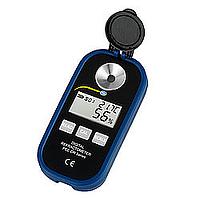
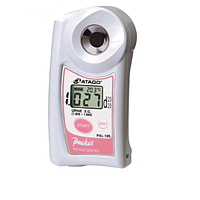
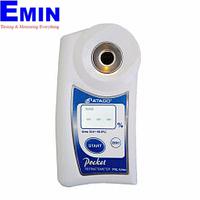
This category includes support examples for instruments from ATAGO and PCE, two brands commonly associated with portable and application-specific measuring devices. Brand familiarity matters in repair work because internal layouts, optical paths, user interfaces, and handling requirements can differ from one manufacturer to another.
Within this category, representative service items include the Atago Urea Refractometer Repair Service and the PCE Urea Refractometer Repair Service. These examples help illustrate the scope of support available for urea-focused measuring instruments without turning the page into a product list. The main objective is to provide a service path for instruments that need inspection, fault diagnosis, and practical restoration.
What a urea meter repair process usually involves
A structured repair workflow often starts with an initial condition check. This helps identify whether the problem is related to optics, sensor response, mechanical damage, power issues, or general wear from use. Once the fault condition is understood, the service can be planned more efficiently and unnecessary replacement can be avoided.
From there, repair may involve cleaning affected components, resolving damaged functional parts, checking the basic operating response, and confirming that the instrument returns to a usable state. For buyers managing multiple testing tools, it is often useful to approach repair as part of a wider instrument maintenance program rather than as a one-off corrective action.
How to decide whether repair is the right option
The decision to repair usually depends on the value of the instrument, its role in the process, and the nature of the fault. If the device is still operational but its readings are questionable, repair can be a practical way to recover performance while preserving familiar equipment already used by technicians and operators. This is especially relevant when the instrument fits a specific workflow and replacing it would require retraining or method changes.
On the other hand, evaluation is important when the unit has severe physical damage or repeated faults. A good service assessment helps determine whether the problem is isolated and repairable or whether replacement should be considered. In many cases, early intervention improves the chance of restoring the unit before more extensive damage develops.
Fit for industrial, laboratory, and field measurement environments
Urea measurement instruments may be used in different settings, from routine sample checks to quality verification and process-related inspection. Each environment places different demands on the device. In a controlled indoor setting, accuracy and repeatability may be the main concern, while in field use the more common issues may be impact, contamination, or handling-related wear.
That is why repair service should not be viewed only as a technical fix. It also supports the operational role of the instrument in the wider measurement chain. If your maintenance requirements extend to other portable instruments in the same facility, related options such as dew point meter repair or light meter repair may help centralize service planning.
What to prepare before sending an instrument for repair
Before requesting service, it is helpful to document the symptoms as clearly as possible. Note whether the problem is constant or intermittent, what type of sample was being measured, and whether the instrument has experienced shock, contamination, or storage issues. This kind of information can help shorten diagnosis time and improve the efficiency of the repair process.
It is also useful to confirm the model and brand in advance, especially for instruments such as urea refractometers that may have application-specific design differences. Clear identification helps align the service request with the right support path and reduces delays during intake and inspection.
Supporting longer equipment life through timely service
Timely repair helps extend the usable life of measurement equipment and supports more dependable testing results over time. For organizations that rely on portable analytical tools, maintaining existing instruments can be a cost-conscious and operationally practical approach when the device remains suitable for the job after service.
If your team is dealing with unstable readings, physical wear, or suspected measurement drift, this category provides a focused starting point for urea meter and urea refractometer support. A well-managed repair process can help restore functional performance, reduce disruption, and keep essential measurement tasks moving with less uncertainty.
Get exclusive volume discounts, bulk pricing updates, and new product alerts delivered directly to your inbox.
By subscribing, you agree to our Terms of Service and Privacy Policy.
Direct access to our certified experts