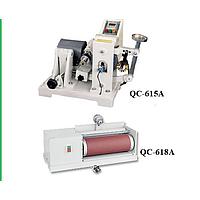
Abrasion Tester Repair Service
When abrasion test results begin to drift, the problem is rarely limited to one failed part. In many labs and quality control environments, inconsistent wear data can come from mechanical misalignment, unstable motion, worn contact components, sensor issues, or general aging of the instrument. A professional Abrasion Tester Repair Service helps restore reliable operation so the equipment can support repeatable material evaluation again.
This category focuses on repair support for abrasion testing equipment used in mechanical and physical testing workflows. Whether the issue appears as abnormal friction movement, irregular specimen wear, unexpected test interruption, or poor repeatability between runs, repair work should address both the visible fault and the underlying causes that affect test consistency.
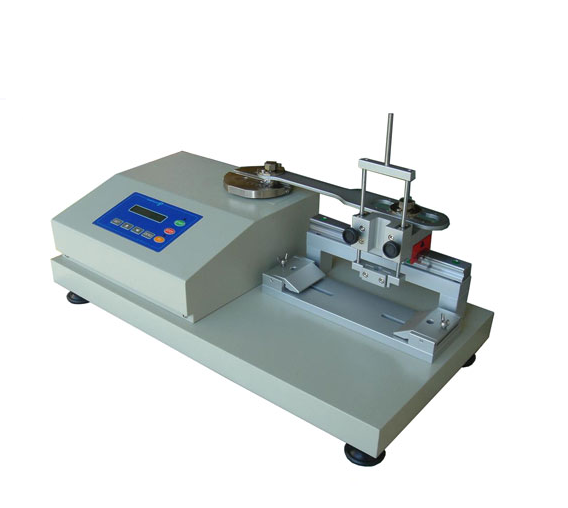
Why repair quality matters for abrasion testing equipment
Abrasion testers are used to evaluate how surfaces, coatings, textiles, rubber, plastics, and other materials respond to wear under controlled conditions. Because these systems are designed to reproduce repeated mechanical contact, even small changes in motion, pressure, alignment, or timing can influence the final result. That is why repair should not be treated as a simple replacement task.
A thorough service approach helps bring the instrument back to stable operating condition and reduces the risk of false rejects, misleading comparison data, or unnecessary downtime. For laboratories that rely on trend analysis or batch-to-batch quality control, maintaining a dependable test platform is essential for decision-making.
Common issues seen in abrasion tester repair work
Repair needs can vary depending on the test principle and the construction of the instrument, but several fault patterns are common across many abrasion testers. These may include unstable drive motion, excessive vibration, worn moving assemblies, damaged control components, poor contact at switches or connectors, and displays or control panels that no longer respond correctly.
Another frequent concern is a gradual loss of repeatability. The unit may still run, but test results no longer match previous baselines or become inconsistent between operators. In practice, this often points to a deeper mechanical or electrical issue that requires inspection rather than only basic cleaning or operator adjustment.
- Irregular movement during test cycles
- Unexpected stopping or failure to start
- Worn contact surfaces or fixture-related wear
- Timer, counter, or control response problems
- Noise, vibration, or alignment deviation during operation
Support for multiple instrument brands and repair needs
This service category includes repair support for equipment from manufacturers commonly used in testing and quality environments, including ELCOMETER, TQCSheen, Cometech, KMT, Koehler, Yasuda, JFM, and TONYHK. Different brands may use different motion systems, holders, control layouts, and wear mechanisms, so repair work should be matched to the actual condition and configuration of the unit.
Representative service items in this category include Koehler Abrasion Tester Repair Service, Cometech Abrasion Tester Repair Servicen, ELCOMETER Abrasion Tester Repair Service, TQCSheen Abrasion Tester Repair Servicen, Yasuda Abrasion Tester Repair Service, KMT Abrasion Tester Repair Service, JFM Abrasion Tester Repair Service, and TONYHK Abrasion Tester Repair Service. These listings help users identify brand-specific support more easily while still staying within the broader abrasion tester repair workflow.
What a practical repair process usually involves
In a technical B2B setting, repair is most effective when it starts with a structured fault assessment. This may include checking the drive and transmission behavior, reviewing moving parts for wear, confirming response of controls and indicators, examining fixture condition, and identifying whether the problem is isolated or affects the full testing sequence. The goal is not only to make the equipment run again, but to restore dependable operation for actual testing use.
For many users, repair also sits alongside broader equipment lifecycle support. If your lab manages several types of material testing systems, it can be useful to review related services such as discoloration meter repair or furnaces repair service to keep connected testing processes running with less disruption.
How to choose the right repair service for your equipment
When selecting a service option, it helps to prepare a clear description of the fault symptoms, operating history, and any visible changes in test behavior. Information such as the manufacturer, service label, failure mode, and whether the issue is mechanical, electrical, or intermittent can speed up diagnosis. This is especially important for abrasion testers, where a machine may appear functional while still producing unreliable wear data.
It is also useful to consider whether the equipment is part of a larger barrier, packaging, coating, or materials testing workflow. In those cases, planning service across several related instruments may improve uptime and coordination. For example, some facilities also maintain systems through categories like oxygen permeation system repair service when multiple quality tests support the same production line or R&D process.
Typical applications where reliable abrasion testing is important
Abrasion testing supports product evaluation in many industries where surface durability and wear performance matter. This can include coatings, textiles, plastics, elastomers, packaging materials, finished consumer products, and industrial components exposed to repeated contact. In these environments, the tester is often part of a broader quality assurance routine rather than a standalone device.
Because the instrument contributes directly to product verification, repair quality affects more than maintenance records. It can influence release decisions, internal comparisons, and customer-facing technical documentation. Keeping the equipment in sound working condition therefore supports both operational continuity and confidence in the resulting test data.
Brand-specific examples in this category
Users looking for a more direct match can review brand-focused service pages such as ELCOMETER Abrasion Tester Repair Service, TQCSheen Abrasion Tester Repair Servicen, or Koehler Abrasion Tester Repair Service. These examples are useful when the equipment brand is already known and the service request needs to align with a particular installed unit.
Other listed options, including Cometech, KMT, Yasuda, JFM, and TONYHK repair services, help cover a wider installed base across laboratories, factories, and inspection environments. Rather than treating all testers the same, a brand-aware repair path helps keep the service request more relevant to the actual equipment being used.
Keeping abrasion testers ready for consistent testing
Repairing an abrasion tester is ultimately about restoring confidence in the measurement process. A stable machine, consistent movement, and properly functioning controls are all important for producing wear data that can be used in quality and technical evaluation with fewer doubts.
If your equipment shows signs of drift, mechanical wear, or control faults, this Abrasion Tester Repair Service category provides a practical starting point for identifying suitable support by brand and application context. Choosing the right repair path can help extend instrument usability, reduce downtime, and support more dependable testing across your lab or production environment.
Get exclusive volume discounts, bulk pricing updates, and new product alerts delivered directly to your inbox.
By subscribing, you agree to our Terms of Service and Privacy Policy.
Direct access to our certified experts