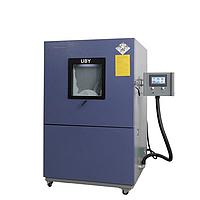
Sand and Dust Test Chamber Repair Service
When a dust chamber starts drifting out of specification, the impact is often wider than a single failed test. Environmental simulation equipment is used to verify enclosure protection, product durability, and resistance to particle ingress, so unstable airflow, poor dust circulation, sensor errors, or control faults can quickly affect test consistency. A professional Sand and Dust Test Chamber Repair Service helps restore reliable operation and supports repeatable testing in laboratory, manufacturing, and quality assurance environments.
This service category is intended for organizations that need troubleshooting, repair, and functional recovery for sand and dust exposure chambers used in mechanical and physical testing. Whether the issue appears in the control system, circulation mechanism, heating section, sealing components, or instrumentation, the goal is to bring the chamber back to stable working condition with attention to the actual operating demands of the equipment.
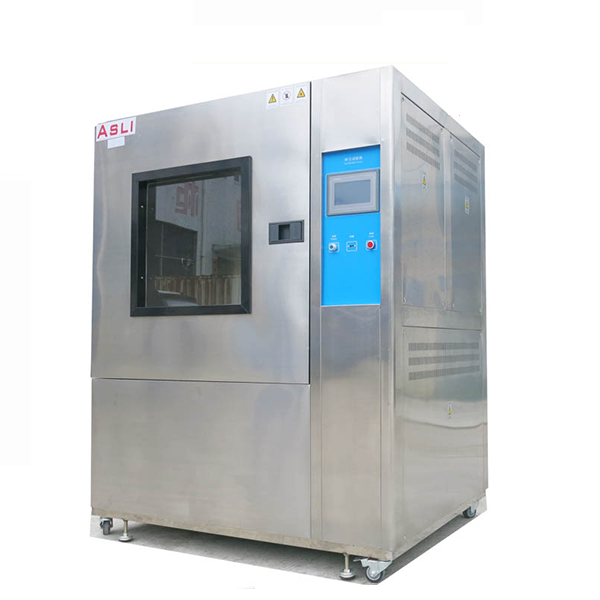
Why repair quality matters for dust test chambers
Sand and dust chambers operate under conditions that can be harsh on internal components. Fine particles, repeated heating cycles, airflow stress, and long test durations may contribute to wear in fans, seals, sensors, controllers, and electrical assemblies. If these issues are not addressed correctly, the chamber may still power on but no longer deliver the intended test environment.
Effective repair is not only about replacing a failed part. It also involves checking whether the chamber can maintain a stable test process, whether dust circulation remains consistent, and whether core functions respond properly during operation. For facilities managing multiple types of test equipment, this service often sits alongside related support such as abrasion tester repair or furnace repair services.
Typical problems addressed in this service category
A chamber may require service for many reasons, ranging from obvious failures to gradual performance decline. Common repair needs include unstable temperature behavior, abnormal fan operation, poor dust suspension, door leakage, damaged switches, display or controller faults, and inconsistent timing or safety interlock performance. In some cases, the unit still runs, but the test conditions no longer match internal procedures or quality expectations.
Another frequent issue is contamination-related wear. Dust-heavy operation can affect moving parts and electrical sections over time, especially if preventive maintenance intervals are extended. A structured repair process helps identify the actual fault source instead of treating only visible symptoms.
Supported brands and example service scope
This category covers repair support for equipment from several recognized manufacturers, including Climatest Symor, Lisun, YuYang, ASLI, ACE, and Uby Tech. Brand-specific familiarity is important because chamber layouts, controller logic, and component arrangements can vary between manufacturers even when the test principle is similar.
Representative service listings in this category include Symor Dust-proof Test Chamber Repair Service, Lisun Dust-proof Test Chamber Repair Service, YuYang Sand and Dust Test Chamber Repair Service, ASLI Sand and Dust Test Chamber Repair Service, ACE Sand and Dust Test Chamber Repair Service, and Uby Tech Sand and Dust Test Chamber Repair Service. These examples illustrate the brand coverage of the category without limiting service relevance only to one configuration or fault type.
What a repair process typically focuses on
A practical repair workflow usually starts with fault diagnosis. This may involve checking control response, circulation behavior, heating function, sensor feedback, alarm history, and visible mechanical wear. For dust chambers, diagnosis is especially important because one issue can trigger secondary symptoms elsewhere in the system.
After the root cause is identified, the repair stage may include restoring damaged components, correcting control-related faults, addressing sealing or airflow problems, and verifying that the chamber can return to dependable operation. The final step is functional verification, which helps confirm that key chamber functions work as expected after service and that the unit is ready for continued use in a testing workflow.
How to choose the right repair service for your chamber
Selection should begin with the actual condition of the equipment rather than the broad equipment name alone. Buyers typically compare service support based on chamber brand, failure symptoms, controller type, maintenance history, and the operational importance of the unit. If the chamber is part of a regulated test process or production release flow, fast and accurate problem isolation becomes even more important.
It is also useful to prepare basic information before requesting support, such as model reference, observed fault behavior, alarm messages, and recent maintenance history. This helps improve service efficiency and makes it easier to determine whether the issue is electrical, mechanical, control-related, or linked to the chamber’s environmental simulation function itself.
Repair service in the broader testing equipment ecosystem
Sand and dust chamber support is often part of a larger maintenance strategy for laboratory and industrial test systems. Many facilities operate several different types of equipment for environmental, material, and packaging evaluation, so repair planning is usually more effective when considered across the full asset base rather than as isolated interventions.
Depending on the application, organizations may also need support for systems used in barrier material evaluation or appearance analysis, such as water vapor transmission rate test system repair or discoloration meter repair service. Looking at service needs across the site can help reduce downtime and improve maintenance coordination.
When it makes sense to request repair support
Repair is typically worth considering when the chamber shows repeat faults, inconsistent test behavior, mechanical wear, or visible control instability, but still remains a meaningful asset within the lab or production environment. Early intervention can help prevent a minor circulation, sealing, or electrical issue from turning into a larger shutdown event.
If your team depends on stable environmental simulation and repeatable chamber performance, timely service can extend usable equipment life and support more predictable testing operations. Reviewing available brand-specific options in this category is a practical starting point for matching the service to your chamber type, fault condition, and maintenance priorities.
Get exclusive volume discounts, bulk pricing updates, and new product alerts delivered directly to your inbox.
By subscribing, you agree to our Terms of Service and Privacy Policy.
Direct access to our certified experts