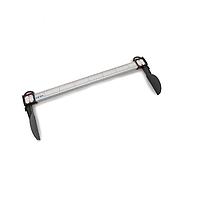
Height Gauge Repair Service
When a height gauge starts giving inconsistent readings, sticking during travel, or losing zero reference, even routine inspection work can slow down quickly. A reliable Height Gauge Repair Service helps restore measuring performance, reduce handling issues, and extend the useful life of critical workshop and quality-control equipment.
In many manufacturing and metrology environments, height gauges are used for scribing, comparative checks, dimensional verification, and layout work on surface plates. Because these instruments combine precision mechanics with sensitive measuring elements, proper repair is not only about fixing obvious damage, but also about identifying wear, alignment issues, and functional drift that affect repeatability.
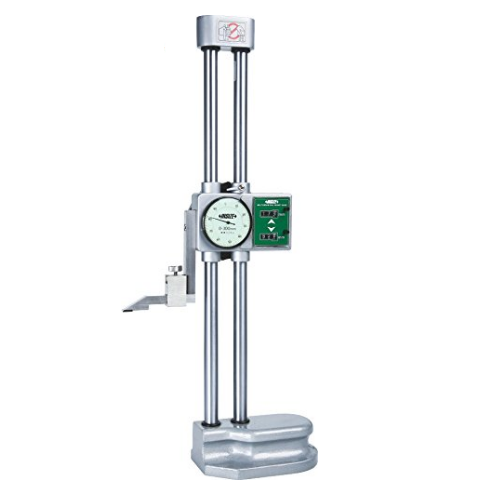
Why height gauge repair matters in precision measurement
A height gauge is often expected to deliver stable results across repeated measurements, especially in inspection rooms, toolmaking, machining, and incoming quality checks. If the column movement becomes rough, the carriage no longer locks correctly, or the reading system behaves unpredictably, the instrument can become difficult to trust in daily use.
Repair work is important because many problems appear gradually rather than as complete failure. Small impacts, contamination, worn contact surfaces, damaged scribers, and handling-related issues can all influence usability. Timely service helps bring the instrument back into a condition that supports accurate, efficient work instead of forcing operators to compensate for mechanical problems.
Common issues addressed by a height gauge repair service
Repair requirements vary depending on whether the instrument is mechanical, dial-based, or digital, but several fault patterns are common. Users typically seek service when the gauge shows unstable readings, excessive play in the slider, damaged measuring contacts, weak clamping performance, or poor vertical movement along the beam.
Another frequent concern is physical damage from workshop use. A height gauge may suffer from bent components, scratched guide surfaces, loosened assemblies, or functional problems after being dropped or stored improperly. In digital units, display or electronic response issues may also require attention, although the exact repair scope depends on the specific model and condition of the instrument.
- Irregular or non-repeatable measurement behavior
- Stiff, uneven, or loose carriage travel
- Locking and fine adjustment problems
- Worn or damaged contact points and accessories
- Impact-related mechanical misalignment
- Display or operational faults on digital versions
Support for major height gauge brands
This category includes repair options for widely used brands in industrial and metrology applications. Depending on your installed equipment base, you may be looking for service support for Mahr, MITUTOYO, KERN, MOORE & WRIGHT, or METROLOGY instruments.
Examples in this category include Mahr Height Gauge Repair Service, MITUTOYO Height Gauge Repair Service, KERN Height Gauge Repair Service, METROLOGY Height Gauge Repair Service, and MOORE & WRIGHT Height Gauge Repair Service. These listings help buyers identify service options aligned with the manufacturer of the instrument already in use, which is especially useful in maintenance planning for established inspection setups.
What to consider before sending a height gauge for repair
Before arranging service, it is useful to document the actual fault symptoms rather than only the brand or instrument type. For example, note whether the issue appears during full travel, only near specific positions, after locking, or under repeated measurement. This kind of information can help clarify whether the problem is more likely related to movement, contact condition, alignment, or reading response.
It also helps to check whether the gauge is used mainly for comparative measurement, marking out, or dimensional inspection. The operating context often affects wear patterns. Instruments used frequently on the shop floor may be exposed to dust, coolant residue, and accidental knocks, while gauges used in controlled quality areas may show different service needs over time.
How repair fits into a broader instrument maintenance strategy
Height gauges are rarely the only precision tools in a workshop. They often work alongside callipers, micrometers, depth gauges, and thickness gauges as part of a complete dimensional inspection process. If several instruments are showing mechanical wear or inconsistent handling, it may be practical to review related service needs at the same time.
For companies managing multiple handheld and bench measurement tools, related service categories such as callipers repair service and micrometers repair service can be relevant. This approach supports more consistent instrument performance across the inspection workflow instead of treating each issue in isolation.
Choosing the right service option for your equipment
The most suitable repair path depends on the instrument’s brand, physical condition, usage history, and the type of fault observed. In some cases, the main issue may be mechanical wear and adjustment; in others, the gauge may require more detailed troubleshooting because the symptoms affect both movement and reading reliability.
When reviewing available listings, it is sensible to match the service to the original manufacturer wherever possible. That is why many buyers start with manufacturer-specific options such as Mahr Height Gauge Repair Service or MITUTOYO Height Gauge Repair Service. This makes the selection process clearer, especially for maintenance teams handling mixed fleets of measuring equipment from different suppliers.
When repair is especially worthwhile
Repair service is often a practical choice when the instrument is still structurally sound but no longer operating as expected. For many industrial users, replacing every problematic gauge is not the most efficient option, particularly when the tool remains compatible with existing inspection routines, accessories, and operator familiarity.
Service can also be valuable when a trusted instrument has developed handling problems that reduce confidence during checks. A repaired and properly functioning gauge may help restore smoother operation, more dependable positioning, and better day-to-day usability on the surface plate. In the same maintenance context, some users may also need depth gauge repair service for related precision measuring tools.
Finding a suitable height gauge repair solution
This category is intended for buyers who need a clear route to height gauge repair based on brand and instrument type, without unnecessary complexity. Whether the issue involves movement, alignment, locking, wear, or reading behavior, selecting the right service listing is the first step toward returning the instrument to useful working condition.
For maintenance teams, metrology labs, and production environments, a focused repair service for height gauges can help protect existing equipment investment and support more dependable measurement work. If you already know the manufacturer of your instrument, start with the matching service option in this category and review related repair services where broader instrument maintenance is also required.
Get exclusive volume discounts, bulk pricing updates, and new product alerts delivered directly to your inbox.
By subscribing, you agree to our Terms of Service and Privacy Policy.
Direct access to our certified experts