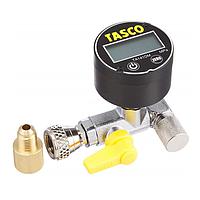
Fixed pressure gauge Repair Service
When a fixed pressure gauge starts showing unstable readings, slow pointer movement, or values that no longer match the actual process condition, replacement is not always the only option. In many industrial systems, a proper repair service helps restore measurement reliability, reduce unnecessary downtime, and support safer operation across utilities, production lines, HVAC, and fluid control applications.
Fixed pressure gauge Repair Service is intended for permanently installed gauges used to monitor line pressure, vacuum, or system status at a fixed point. This type of service is especially relevant when a gauge remains mechanically intact but no longer delivers dependable indication due to wear, contamination, vibration, pressure shock, or long-term operating stress.
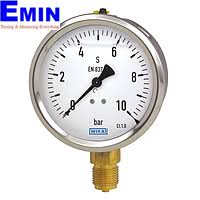
Why fixed pressure gauges need professional repair
Fixed-mounted gauges often work continuously in demanding environments. Over time, internal sensing elements and moving parts can be affected by pulsation, overpressure events, clogged pressure ports, corrosive media, or ambient conditions that gradually reduce accuracy and response quality.
A structured repair process is useful when the instrument still has service value, but performance has drifted or the indication has become difficult to trust. In practice, this can include inspection, fault assessment, cleaning, restoration of damaged parts where appropriate, and functional verification before the gauge returns to operation.
Common issues seen in fixed pressure gauge service
Users typically seek repair when the pointer no longer returns to zero correctly, readings fluctuate without process changes, or the gauge reacts too slowly to pressure variation. Physical symptoms such as lens damage, leakage around the connection point, or signs of internal contamination can also indicate that service is needed.
In fixed installations, these problems are not only about measurement quality. A faulty gauge can make troubleshooting harder, lead to incorrect process decisions, and reduce confidence in the wider instrumentation system. For applications that involve related devices such as pressure transmitter repair service, accurate local indication remains an important reference point.
What this service typically supports
A professional repair workflow for a fixed gauge generally focuses on restoring measurement stability, improving readability, and confirming that the instrument is suitable for reuse in its intended duty. The exact scope depends on the gauge condition, operating medium, installation history, and whether the issue is mechanical, pressure-related, or linked to environmental exposure.
For systems that also use portable units for field checks, it can be useful to compare fixed instrument maintenance with portable pressure meter repair service. Although both categories involve pressure measurement devices, fixed gauges are typically maintained with attention to permanent mounting conditions, process connection integrity, and long-term operating stress.
Representative brands and service references
This category may be relevant for installed instruments from manufacturers such as PCE, KDS, and TASCO, depending on the gauge type and service requirement. Brand mention is useful mainly to indicate compatibility with real industrial product ecosystems rather than to limit repair to a single manufacturer.
Examples of related service references in this area include the PCE Digital Pressure Gauge Repair Service, KDS Digital Pressure Gauge Repair Service, and TASCO Vacuum Pressure Gauge Repair Service. These examples illustrate the broader repair context around pressure and vacuum measuring instruments, while fixed gauge service remains focused on permanently installed dial or indicator-based devices used in routine process monitoring.
How to decide whether repair is the right option
Repair is often worth considering when the gauge housing and connection structure remain usable, the issue appears linked to drift or mechanical degradation, and the instrument still fits the application range. This approach can be practical for maintenance teams that want to preserve installed equipment compatibility without making immediate changes to fittings, panel layouts, or process interfaces.
However, the right decision depends on the operating environment and the role of the gauge in the process. If the instrument is part of a broader pressure monitoring chain, reviewing adjacent service categories such as pressure sensor repair service or hydraulic instrument support may help identify whether the issue is isolated to the gauge or related to the wider system.
Applications where fixed gauge reliability matters
Fixed pressure gauges are commonly used where operators need a direct visual indication at the point of installation. Typical use cases include pumps, compressors, air systems, fluid lines, process vessels, refrigeration setups, and utility equipment where local pressure status supports routine checks and fast response during maintenance or troubleshooting.
In these environments, reliable indication matters not only for process efficiency but also for safe operation and maintenance planning. A repaired and properly functioning gauge helps technicians verify actual conditions on site, especially when comparing against control signals, alarms, or readings from other instruments in the same loop.
What to prepare before requesting service
To make the repair process more efficient, it helps to provide the gauge type, brand, application, observed fault symptoms, and any known operating conditions such as vibration, medium type, or pressure fluctuation. Information about whether the gauge is used for positive pressure, vacuum, or both can also improve initial assessment.
If the equipment is part of a pressure measurement setup with other installed indicators, local transmitters, or hydraulic monitoring devices, sharing that context may support a more accurate diagnosis. In some cases, users comparing service routes may also look at hydraulic meter repair service when the application involves fluid power systems rather than general-purpose line pressure monitoring.
Choosing service with long-term maintenance in mind
Fixed gauge repair is most valuable when it supports a broader maintenance strategy rather than acting as a one-time reaction to instrument failure. Repeated pressure shocks, unsuitable installation positions, or excessive vibration can shorten service life, so identifying the root cause is just as important as restoring the gauge itself.
For maintenance teams, the goal is usually straightforward: bring the instrument back to a condition where pressure indication is dependable enough for daily operation and troubleshooting. If you are reviewing support options for installed analog or dial-based instruments, this category provides a focused path for evaluating service needs around fixed pressure gauge equipment.
Get exclusive volume discounts, bulk pricing updates, and new product alerts delivered directly to your inbox.
By subscribing, you agree to our Terms of Service and Privacy Policy.
Direct access to our certified experts