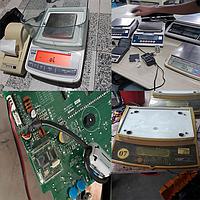
Counting Scale Repair Service
When a counting scale starts giving unstable readings, incorrect piece counts, or slow response during operation, even a small fault can disrupt packing, stock control, and production flow. A reliable Counting Scale Repair Service helps restore weighing accuracy and counting performance so the equipment can return to daily use with less risk of repeat errors.
In warehouse, assembly, and parts-handling environments, counting scales are often used continuously and under changing loads. That makes regular inspection and timely repair especially important for businesses that depend on consistent counting results for inventory checks, kitting, and dispatch operations.
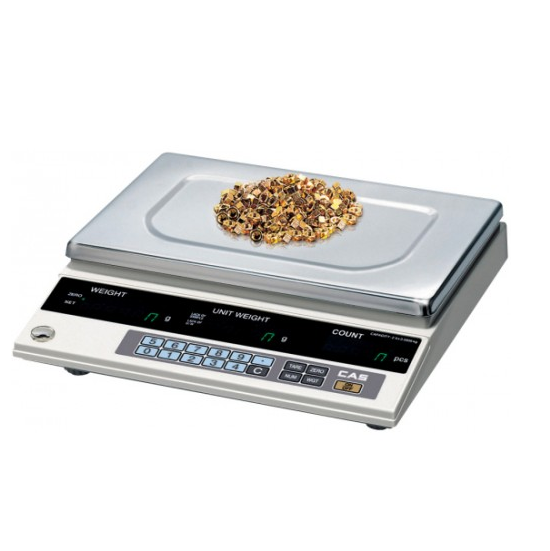
Why counting scale repair matters in day-to-day operations
Unlike a general weighing device, a counting scale must do more than measure weight. It also calculates quantity based on sample weight, so issues with load sensing, display behavior, keypad response, or internal electronics can affect both the measured value and the final count. In practical terms, that may lead to picking mistakes, stock discrepancies, or inefficient manual rechecking.
A professional repair service is useful when the scale shows drifting values, inaccurate counting, zero instability, communication problems, or physical wear from frequent handling. In these cases, repair work is not only about fixing a visible fault, but also about checking whether the scale is still suitable for the intended counting application after service.
Common issues seen in counting scales
Counting scales are typically exposed to repetitive loading, operator contact, dust, and movement between workstations. Over time, this can contribute to problems in the load cell, indicator, keyboard, power section, connectors, or display. In some cases, the scale may still turn on, but counting results no longer match the actual number of parts.
Another common concern is loss of stability when weighing very small components. Because piece counting depends on a stable reference weight, any fluctuation can reduce counting confidence. Repair service for these instruments often focuses on restoring signal reliability, functional response, and overall measuring consistency rather than treating the device as a simple commodity product.
Supported brands and typical service examples
This category covers repair support for widely used counting scale brands in industrial and laboratory-related workflows. Examples include services for AND, CAS, KERN, OHAUS, PCE, and JADEVER equipment, depending on the model and condition of the unit.
Representative service items in this category include the AND Multi-functional Precision Balance Repair Service, OHAUS Ranger Count Repair Service, CAS Counting Scale Repair Service, Kern Counting Scale Repair Service, PCE Counting Scale Repair Service, and JADEVER Counting Scale Repair Service. These examples help illustrate the range of devices that may require diagnosis, functional repair, and performance recovery in real operating environments.
How to evaluate the right repair path
Not every scale issue presents itself in the same way. Some faults are clearly mechanical, such as damaged housings, worn keys, or unstable platforms. Others are more subtle and appear as inconsistent piece counts, failed zero return, display anomalies, or intermittent operation after warm-up. A structured repair process should therefore begin with symptom-based assessment rather than guesswork.
For users comparing service options, it helps to note the exact behavior of the instrument: whether the error appears only during counting mode, whether instability occurs under light loads, or whether the problem started after relocation or impact. This information can make troubleshooting more efficient and can help determine whether the issue is related to sensing, electronics, power, or user-interface components.
When counting scale service should be prioritized
Repair should be considered promptly when the scale affects stock accuracy, assembly verification, or outgoing shipment quantities. Even if the device still appears operational, repeated counting discrepancies can create hidden costs through rework, inventory mismatches, and avoidable checking time. In high-turnover environments, those losses can accumulate quickly.
It is also worth reviewing whether another service category may better match the equipment type. For example, highly sensitive bench instruments may be better aligned with precision scale repair services, while suspended load applications belong more naturally to crane scale repair service. Selecting the right service path improves both diagnosis and repair relevance.
Brand ecosystem and related scale service needs
Many facilities use multiple weighing instruments across receiving, storage, production, and inspection points. A business may operate counting scales for component handling, floor scales for palletized goods, and bench or analytical instruments for finer measurements. In that broader context, service planning is often more effective when scale maintenance is viewed as part of a connected equipment ecosystem rather than as isolated repairs.
Users working with OHAUS models, for example, may also want to review the wider OHAUS product range when comparing installed equipment across departments. Likewise, operations handling larger goods movement may also need support for floor scale repair service in addition to counting applications. These related categories can help buyers and maintenance teams align service decisions with the actual weighing tasks on site.
What users typically expect from a counting scale repair service
In most B2B environments, the goal is straightforward: return the scale to dependable working condition for routine counting tasks. That generally means addressing the source of unstable or incorrect performance, verifying normal function after repair, and reducing the chance of recurring faults in the same workflow.
For purchasing teams, maintenance staff, and production users, the most helpful service outcome is a scale that once again supports repeatable counting, reliable operator use, and smoother inventory handling. The exact repair scope will vary by brand, model, and fault condition, but the core objective remains the same: restore confidence in the instrument’s day-to-day operation.
Choosing a suitable service option
If your counting scale is showing inconsistent readings, poor counting accuracy, or signs of electrical or mechanical wear, a targeted repair service is often the most practical next step. This category brings together service options for established brands and common industrial counting applications, making it easier to identify a relevant path for diagnosis and repair.
By matching the service to the actual equipment type and operating issue, businesses can make better maintenance decisions and reduce disruption in counting-dependent processes. Whether the unit is used for small parts, packaging control, or stock handling, a well-chosen repair service helps extend equipment usability and supports more stable weighing performance over time.
Get exclusive volume discounts, bulk pricing updates, and new product alerts delivered directly to your inbox.
By subscribing, you agree to our Terms of Service and Privacy Policy.
Direct access to our certified experts