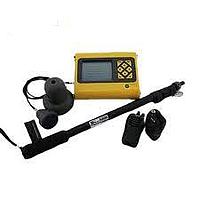
Rebar Corrosion Detection Repair Service
When corrosion assessment equipment starts giving unstable readings, failing self-checks, or showing communication and sensor issues, repair support becomes essential to keep inspection work reliable. For contractors, laboratories, and asset owners involved in concrete durability assessment, Rebar Corrosion Detection Repair Service helps restore the performance of instruments used to evaluate steel reinforcement condition in concrete structures.
Because these devices are often used in demanding field environments, normal wear, probe damage, cable faults, display issues, and calibration drift can affect measurement confidence over time. A focused repair service is therefore not only about fixing a fault, but also about supporting consistent condition assessment for maintenance planning, structural surveys, and rehabilitation projects.
Why repair support matters for corrosion detection equipment
Instruments used for rebar corrosion investigation play an important role in evaluating the likelihood and extent of reinforcement deterioration inside concrete. If the device is damaged or operating outside expected performance, the inspection team may face unreliable data, repeated site visits, and delays in reporting.
A proper repair workflow helps address electrical, mechanical, and interface-related problems that can appear after frequent transport or repeated field use. In many cases, restoring a corrosion detection instrument is more practical than replacing it immediately, especially when the existing unit is already integrated into established inspection procedures.
Common issues seen in rebar corrosion detection instruments
Faults can appear in different parts of the equipment ecosystem, including the main unit, connectors, probes, leads, and accessories. Users may notice inconsistent measurements, unstable screen behavior, charging or power problems, damaged cables, or reduced response during testing on site.
Environmental exposure also matters. Dust, moisture, impact, and improper storage can gradually affect internal components and external interfaces. For this reason, repair service for these instruments should be approached with attention to both the visible hardware condition and the instrument’s overall functional behavior.
Where corrosion assessment work overlaps with reinforcement location tasks, users may also benefit from reviewing related support options such as cover meter and rebar detector repair services to maintain continuity across inspection workflows.
Support for leading instrument brands
This category includes repair support related to equipment from PROCEQ and ELCOMETER, two recognized names in material testing and inspection equipment. Mentioning these brands is useful because many buyers search for service by manufacturer rather than by generic device type.
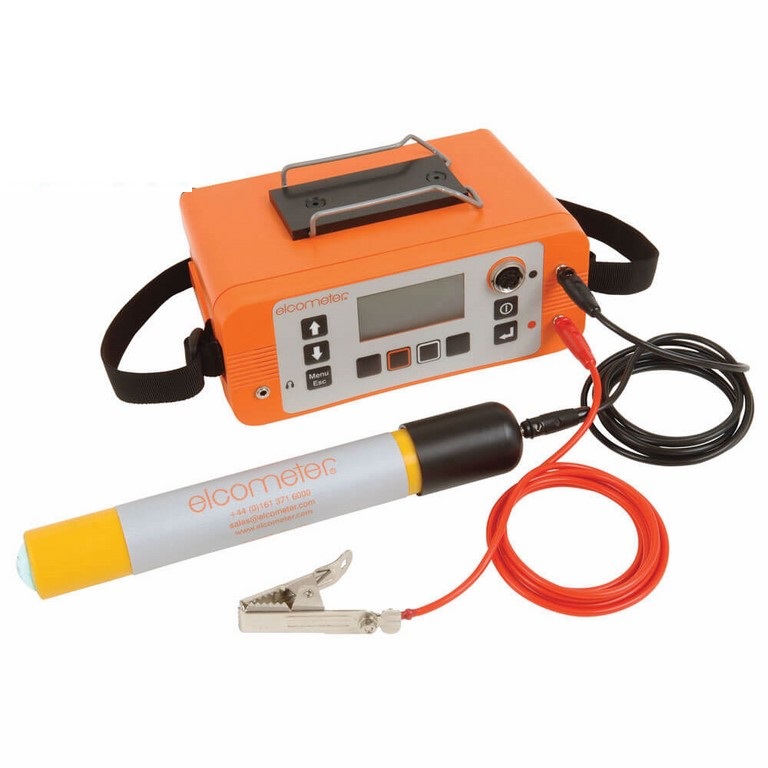
Representative service entries in this category include Proceq Rebar Corrosion Detection Repair Service and Elcometer Rebar Corrosion Detection Repair Service. These examples help illustrate the scope of support available for users who need maintenance or fault diagnosis for corrosion detection equipment used in concrete and rebar assessment.
What to consider before sending a unit for repair
Before arranging service, it is helpful to document the instrument model, the symptoms observed, and the operating conditions under which the issue occurs. Notes such as intermittent reading loss, startup failure, damaged connectors, or battery-related problems can make fault tracing more efficient and reduce turnaround uncertainty.
Users should also check whether the issue involves only the main instrument or extends to accessories such as cables, probes, electrodes, chargers, or communication parts. In many field-testing systems, an apparent device fault can actually originate from a worn accessory or connection point, so a complete review of the testing set is often worthwhile.
Repair service within a broader concrete inspection workflow
Rebar corrosion assessment is rarely performed in isolation. On many projects, it sits alongside rebound hammer testing, ultrasonic evaluation, permeability analysis, or cover measurement to build a more complete picture of concrete condition and durability. Keeping each instrument in serviceable condition supports smoother project execution and more dependable technical interpretation.
If your testing program includes multiple concrete evaluation methods, related service categories may also be relevant. For example, teams managing broader structural inspection equipment can explore concrete ultrasonic detector repair service when ultrasonic devices are part of the same inspection toolkit.
How repaired equipment supports field reliability
The value of repair is not limited to restoring power or replacing a visibly damaged part. Effective service contributes to measurement stability, better operational confidence, and fewer interruptions during surveys of bridges, parking decks, buildings, marine structures, and other reinforced concrete assets.
For organizations handling recurring inspection programs, dependable equipment condition helps reduce unplanned downtime and improves scheduling control. It also supports teams that need repeatable corrosion-related measurements over time as part of monitoring or maintenance decision-making.
Choosing the right service path
When selecting a repair option, it is useful to look for a service category that matches the actual inspection method rather than using a generic equipment repair request. That helps ensure the repair process is aligned with the type of instrument involved and the role it plays in corrosion investigation.
If your equipment portfolio includes other concrete testing devices, a more complete maintenance plan may be beneficial. In addition to corrosion-related instruments, some users also manage impact-based devices through concrete test hammer repair service, especially when several inspection methods are used on the same project.
Final considerations
Reliable corrosion detection work depends on instruments that remain functional, stable, and suitable for field use. This category is intended for users who need practical support for diagnosing and restoring equipment used in reinforced concrete corrosion assessment, including solutions associated with PROCEQ and ELCOMETER product ecosystems.
Whether you are maintaining a single unit or supporting a wider fleet of concrete inspection devices, choosing an appropriate repair service can help extend equipment usability and keep project workflows on track. A clear understanding of the fault, the accessories involved, and the inspection context will make it easier to identify the most suitable service scope for your corrosion detection equipment.
Get exclusive volume discounts, bulk pricing updates, and new product alerts delivered directly to your inbox.
By subscribing, you agree to our Terms of Service and Privacy Policy.
Direct access to our certified experts