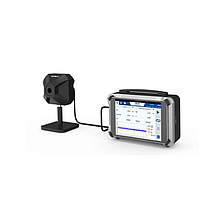
Laser power meter Repair Service
When laser measurement equipment starts showing unstable readings, slow response, or obvious drift from expected values, repair often becomes more practical than immediate replacement. For laboratories, production lines, R&D teams, and service organizations, a reliable laser power meter repair service helps restore measurement confidence and reduce unnecessary downtime in processes where optical power verification matters.
This category is intended for businesses that need support for troubleshooting, restoring, and returning laser power meters to usable condition. Whether the issue is related to sensing performance, display behavior, power supply instability, connectors, or general instrument wear, service evaluation is an important step before putting the device back into regular operation.
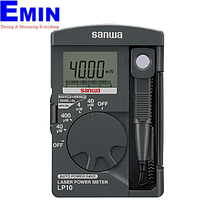
Why repair laser power meters instead of replacing them immediately
In many industrial and technical environments, laser power meters are part of a broader measurement workflow. Replacing a unit too quickly can create compatibility issues, interrupt established procedures, or increase cost beyond what is necessary. A structured repair process can help identify whether the problem is isolated to a damaged component, calibration drift, communication issue, or aging electronics.
Repair is especially relevant when the instrument still fits the application, but performance has degraded over time. For organizations managing several types of specialty instruments, service continuity matters. That is why many buyers review this category alongside other support options such as coating thickness meter repair service when planning maintenance across multiple device types.
Common issues addressed in service evaluation
A laser power meter may require attention for a range of reasons, from inconsistent measurements to startup failures or physical connector damage. In practice, repair requests often begin with symptoms rather than confirmed causes. A proper evaluation helps determine whether the problem comes from the sensor path, display circuitry, internal board behavior, power handling, or external interface conditions.
Another common concern is measurement stability. If readings fluctuate under controlled conditions, users may suspect the source first, but the meter itself can also be responsible. Service assessment helps separate instrument faults from process-related variables so maintenance decisions can be made with more confidence.
What a laser power meter repair service typically supports
For B2B users, repair service is not only about fixing a broken unit. It is also about restoring functionality in a way that supports traceable testing, production quality checks, and routine optical verification work. Depending on the condition of the device, service may include inspection, fault diagnosis, replacement of failed internal elements, functional restoration, and post-repair performance verification.
Where brand-specific support is relevant, equipment from SANWA may be evaluated within the same practical framework: identify the failure mode, determine repairability, and restore operation where feasible. The listed SANWA Laser Power Meter Repair Service is a useful example of this type of support for organizations already using SANWA instruments in their workflow.
How to decide when service is the right next step
If the instrument powers on but readings no longer match expected process values, repair evaluation is usually worthwhile. The same applies when the meter has intermittent faults, display errors, unstable response, or signs of physical wear after long-term use. In these cases, service can help determine whether the problem is economical to fix and whether the unit can be returned to routine use.
It also makes sense to submit a unit for inspection before replacing an entire measurement setup. In some facilities, laser power meters are used alongside other niche testing devices, and maintenance planning benefits from a coordinated approach. Teams comparing service pathways may also review options like repair support for compressed air and gases testers when managing broader instrument fleets.
Information that helps speed up the repair process
To make service handling more efficient, it is helpful to provide a clear description of the fault symptoms. Useful details include whether the meter fails at startup, shows unstable values, reacts slowly, stops communicating, or behaves differently after transport or prolonged operation. If the issue appears only under certain test conditions, that context can help narrow down the cause.
It is also beneficial to include the exact model identification, any visible signs of damage, and a short note on recent operating history. Even when a complete diagnosis is not yet available, these details support faster triage and improve the chances of a focused repair workflow.
Repair service within a broader specialty instrument maintenance strategy
Laser-related measurement tools are often maintained together with other specialized instruments, especially in technical service departments and calibration-centered operations. Building a maintenance plan around repair, verification, and equipment lifecycle review can reduce disruption and improve equipment availability over time.
For companies handling multiple specialized devices, it can be useful to compare service categories across the same maintenance framework. In addition to this category, some users also explore color assessment cabinet repair services or other instrument-specific support based on their application environment. This creates a more organized approach to sustaining critical test and inspection equipment.
Choosing a service category that matches your instrument type
Not all specialty meters fail in the same way, and not all repair paths are interchangeable. A dedicated laser power meter service category is useful because these instruments are tied to optical measurement tasks that can be sensitive to sensor condition, signal handling, and reading accuracy. Using the correct service path helps avoid misclassification and ensures the instrument is reviewed in the right context.
If your organization relies on laser output verification as part of production, maintenance, or lab testing, selecting the correct repair category is a practical first step. It helps streamline the service request, supports more accurate fault assessment, and improves the chances of getting the instrument back into dependable working condition.
Final considerations
A well-matched repair service can extend the useful life of existing equipment and help maintain continuity in optical measurement work. For businesses using SANWA equipment or similar specialty instruments, this category provides a focused starting point for evaluating faults, restoring performance, and reducing disruption caused by unreliable readings.
If your laser power meter is showing performance issues, intermittent behavior, or suspected hardware faults, submitting it through the appropriate repair service category is a sensible next step. Clear fault information and the right service path make it easier to assess repairability and move toward stable, usable measurement performance again.
Get exclusive volume discounts, bulk pricing updates, and new product alerts delivered directly to your inbox.
By subscribing, you agree to our Terms of Service and Privacy Policy.
Direct access to our certified experts