
Smoke Sensor Tester Repair Service
Reliable testing equipment is essential when smoke detection devices are being checked, commissioned, or maintained. When a tester starts giving unstable readings, fails to trigger detectors correctly, or shows signs of battery, chamber, or electronic faults, repair service becomes the practical way to restore accuracy and reduce unnecessary replacement.
Smoke Sensor Tester Repair Service is intended for organizations that depend on dependable functional testing in fire safety, building maintenance, inspection, and facility management workflows. A properly serviced tester helps support consistent detector checks, smoother maintenance routines, and better confidence in day-to-day field use.
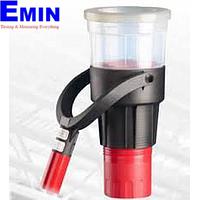
Why smoke sensor tester repair matters
In many maintenance environments, a smoke sensor tester is used repeatedly across different sites and detector types. Over time, normal wear can affect power delivery, response behavior, switches, seals, housings, or internal electronic components. Even small issues can lead to interrupted testing work or questionable performance in the field.
Repair service helps bring the instrument back to a usable and more dependable condition without disrupting the wider inspection process. For teams handling routine detector testing, restoring the tester can be more efficient than working around inconsistent operation or taking equipment out of service for too long.
Common issues that may indicate a tester needs service
A unit may need attention if it does not power on consistently, loses output unexpectedly, responds slowly, or fails to operate as intended during detector checks. Physical damage, worn connectors, charging problems, irregular indicators, and casing deterioration can also point to the need for inspection and repair.
In practical terms, these symptoms often affect workflow before they become complete failures. If technicians are repeating tests, seeing inconsistent activation behavior, or dealing with reduced portability due to battery or charging faults, service can help identify the root cause and restore normal operation.
What a repair service typically addresses
A professional repair process generally starts with fault diagnosis, followed by evaluation of affected assemblies and overall unit condition. Depending on the issue, service may involve work on power systems, internal circuitry, mechanical parts, controls, housings, or other wear-related components that influence usability and performance.
For smoke sensor testers, repair is not only about getting the device to switch on again. It is also about restoring stable behavior in real operating conditions, where portability, repeatability, and safe handling are important. This is especially relevant for maintenance providers and safety teams that rely on field-ready instruments every day.
Who typically needs this service
This service is relevant for companies and technical teams involved in fire protection maintenance, building operations, compliance support, industrial facility management, and inspection work. Any organization using smoke detector test equipment as part of preventive maintenance may benefit from timely repair when instruments begin to drift from normal operation.
It can also be useful for service departments managing fleets of specialty meters. Instead of treating every fault as a replacement case, repair gives users a way to extend equipment life, improve asset utilization, and keep important tools available for scheduled work.
How to evaluate whether repair is the right option
A sensible decision usually depends on the tester’s condition, the nature of the fault, how critical the device is to ongoing operations, and whether the problem appears isolated or recurring. Units with charging issues, damaged controls, or intermittent electronic behavior are often worth assessing before they are retired.
It is also helpful to consider the broader maintenance environment. Organizations that use other specialized instruments may already be familiar with similar service paths, such as laser power meter repair support or coating thickness meter service, where restoring equipment function is often more practical than replacing tools immediately.
Benefits of timely repair for maintenance workflows
Addressing faults early can help avoid disruption in inspection schedules, reduce repeat site visits, and improve confidence in routine detector testing. A tester that operates consistently supports better workflow planning, especially where teams handle multiple assets, strict maintenance intervals, or geographically distributed facilities.
From an asset management perspective, equipment repair can also support cost control and operational continuity. Restoring a tester already familiar to the team may reduce onboarding time, preserve existing handling practices, and limit the need to source a replacement at short notice.
Related specialty meter repair services
Smoke sensor testers are part of a broader group of specialized instruments used across inspection and technical service work. Depending on the application, organizations may also need support for related categories such as compressed air and gases tester repair or color assessment cabinet repair.
Reviewing related repair options can be useful for companies maintaining multiple instrument types under one service strategy. It also helps standardize service planning across different tools used in testing, inspection, and specialized maintenance operations.
Choosing a service path with practical priorities in mind
When evaluating a smoke sensor tester for repair, the key priorities are usually functionality, reliability, and readiness for real working conditions. A useful service approach focuses on identifying the actual fault, addressing worn or failed components where necessary, and returning the unit to dependable operation for ongoing maintenance tasks.
If your team depends on detector testing equipment as part of routine field work, repair service can be a practical step toward extending service life and maintaining operational continuity. For organizations managing multiple specialty instruments, a structured repair approach makes it easier to keep essential equipment available where and when it is needed.
Get exclusive volume discounts, bulk pricing updates, and new product alerts delivered directly to your inbox.
By subscribing, you agree to our Terms of Service and Privacy Policy.
Direct access to our certified experts