Wi-Fi, Bluetooth Analyzer Repair Service
When wireless test instruments start showing unstable readings, failed self-checks, damaged ports, or communication errors, the impact is felt quickly in engineering, service, and production environments. For teams that rely on accurate RF and protocol analysis, a dependable Wi-Fi, Bluetooth Analyzer Repair Service helps restore measurement confidence and reduce unnecessary equipment downtime.
This category is focused on repair support for analyzers used in wireless validation, troubleshooting, and maintenance workflows. Whether the issue involves aging hardware, interface faults, display problems, or performance drift noticed during daily use, repair service is often the most practical way to return an instrument to working condition while preserving its role in an existing test setup.
Why repair matters for wireless analyzer equipment
Wi-Fi and Bluetooth analyzers are commonly used where signal quality, protocol behavior, and device interoperability need to be checked with consistency. In these environments, even a small hardware issue can lead to unreliable results, repeated troubleshooting cycles, or delays in verification work.
A proper repair service is not just about replacing a failed part. It is also about recovering stable instrument operation so the analyzer can continue supporting tasks such as wireless product testing, service diagnostics, and RF investigation. This is especially important when the instrument is already integrated into established procedures, software workflows, or maintenance routines.
Typical issues seen in Wi-Fi and Bluetooth analyzers
Wireless analyzers can develop problems over time due to regular transport, repeated connector use, environmental stress, or component aging. Common symptoms may include power-up failures, intermittent operation, screen or keypad faults, damaged RF connectors, charging or battery-related issues on portable units, and communication problems through external interfaces.
In some cases, users notice the issue only after measurement behavior becomes inconsistent during comparison testing. If the instrument is part of a wider RF bench, related service needs may also overlap with categories such as vector network analyzer repair or RF and microwave power meter repair, depending on the broader test environment.
Examples of supported service scope
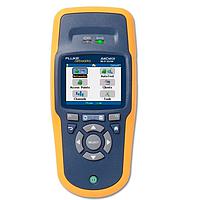
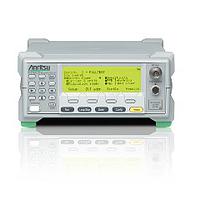
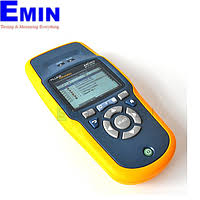
This category includes representative service references such as the ANRITSU Bluetooth Tester Repair Service and the FLUKE Wi-fi Tester Repair Service. These examples illustrate the type of wireless test equipment covered here, from Bluetooth-focused platforms to instruments used for Wi-Fi analysis and troubleshooting.
Manufacturer context also matters because repair work often depends on platform design, interface structure, and instrument architecture. For organizations using equipment from ANRITSU or FLUKE, it is useful to review service options in relation to the specific analyzer family and the role it plays in the test process.
What to consider before sending an analyzer for repair
Before arranging service, it helps to document the symptoms in a way that reflects actual operating conditions. Useful details may include startup behavior, visible physical damage, frequency of failure, accessory dependence, error messages, and whether the problem appears continuously or only during specific measurement tasks. Clear fault descriptions often make troubleshooting more efficient.
It is also practical to note whether the issue affects the RF path, user interface, connectivity, or general hardware stability. A Bluetooth analyzer that powers on but fails during active testing may require a different repair path from a Wi-Fi unit with a damaged connector or display. This distinction helps align the service process with the most likely fault area.
Repair service in a broader telecom and RF maintenance workflow
Wireless analyzers are rarely used in isolation. They often sit alongside power measurement, RF path verification, and other specialized test instruments. Because of that, repair planning is usually more effective when viewed as part of a broader asset maintenance strategy rather than as a one-off event.
For example, teams managing complete RF benches may also need support for adjacent instrument types such as RF voltmeter repair services. Looking at the wider equipment chain can help identify whether the observed issue is isolated to one analyzer or connected to a larger measurement setup problem.
How to evaluate the right repair path
The most suitable service approach depends on how critical the analyzer is to daily operations, how the fault presents itself, and whether the instrument supports ongoing development, field service, or production verification. In many cases, repair is especially worthwhile when the device still fits current workflows and replacement would require retraining, setup changes, or process disruption.
It is also sensible to evaluate the service need based on instrument function rather than brand name alone. Some users prioritize restoring Bluetooth-specific testing capability, while others need a Wi-Fi troubleshooting platform back online as quickly as possible. A category-based repair search like this one helps narrow the service scope around the actual application.
Choosing a service category with clearer relevance
Searching within a focused repair category makes it easier to identify service options that match the instrument’s wireless function. That is particularly useful for buyers, maintenance coordinators, and lab managers who need to compare support paths without sorting through unrelated telecom equipment types.
If your equipment is used for wireless signal analysis, protocol-related troubleshooting, or service verification in Wi-Fi and Bluetooth environments, this category provides a more relevant starting point than general repair listings. It supports faster navigation to the right service reference, whether the requirement is tied to a specific analyzer type or a known product family.
Final note
Reliable wireless testing depends on instruments that behave consistently under real operating conditions. A well-matched Wi-Fi, Bluetooth Analyzer Repair Service helps extend the useful life of existing equipment, supports continuity in RF test workflows, and gives technical teams a clearer route to restoring analyzer performance when faults appear.
When reviewing service options, focus on the analyzer’s role in your workflow, the symptoms observed in actual use, and any related instruments in the same bench setup. That approach leads to a more practical repair decision and a smoother return to productive testing.
Get exclusive volume discounts, bulk pricing updates, and new product alerts delivered directly to your inbox.
By subscribing, you agree to our Terms of Service and Privacy Policy.
Direct access to our certified experts