
IR Windows Repair Service
In electrical maintenance and thermography programs, inspection speed and operator safety often depend on being able to capture temperature data without opening energized panels. When an infrared viewing port becomes scratched, loose, contaminated, or otherwise unreliable, image quality and inspection confidence can drop quickly. A professional IR Windows Repair Service helps restore this access point so thermal inspections can continue with better visibility and less disruption.
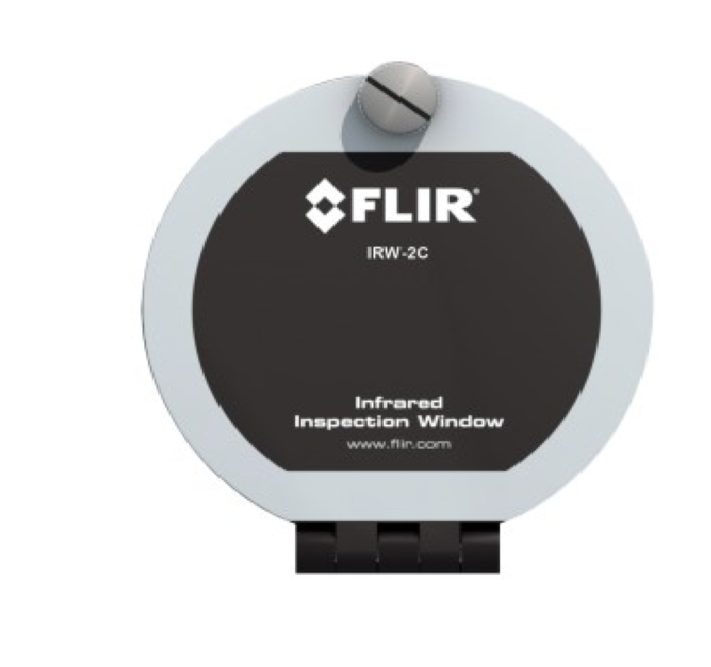
Why IR window condition matters in thermal inspection
IR windows are installed to allow thermal measurements on enclosed electrical equipment while reducing the need to expose technicians to open energized compartments. In practice, they support routine condition monitoring on switchgear, motor control centers, panels, and similar assets where overheating connections or unbalanced loads may need to be identified early.
If the viewing surface is damaged or mounting integrity has been compromised, thermal readings may become harder to interpret. A repair service focuses on restoring the window’s functional condition so maintenance teams can continue using thermal inspection as part of predictive and preventive maintenance workflows.
Common issues that lead to IR window repair
Over time, these inspection points may be affected by harsh industrial environments, repeated use, accidental impact, or installation-related wear. Typical service needs can include physical damage to the window area, degraded sealing, hardware problems, or contamination that affects visibility during infrared checks.
In some cases, the issue is not complete failure but a gradual reduction in inspection usability. When operators notice unclear thermal images, difficulty aligning measurements, or concerns about mechanical stability, it is often more efficient to evaluate the window before those problems interrupt scheduled inspection rounds.
What an IR window repair service typically supports
A repair process is generally intended to address the condition of the inspection window assembly so it can be used reliably in the field again. Depending on the actual fault found during evaluation, service may involve restoring fitment, addressing damaged components, improving inspection clarity, or checking whether the installed unit remains suitable for continued use.
For maintenance teams, the main goal is not only to fix a visible defect but to recover safe inspection access and practical measurement usability. This is especially important in facilities where thermal surveys are performed on a regular schedule and access ports are part of the standard inspection route.
When to send an IR window for service
Repair should be considered when there are signs of cracking, clouding, mounting looseness, sealing concerns, or any physical deterioration that may affect inspection quality. It is also worth arranging service when a thermal inspection program starts showing inconsistent results across similar assets, especially if the problem appears related to viewing access rather than the thermal instrument itself.
Where the source of the problem is still unclear, it can help to compare the condition of the window with the performance of related inspection tools. For example, if the issue may be with the measuring device rather than the access port, support options such as infrared thermometer repair service or thermal imaging camera repair service may also be relevant.
How repair fits into a broader temperature monitoring program
IR viewing ports are only one part of a larger condition monitoring ecosystem. Facilities often rely on a combination of thermal cameras, handheld thermometers, contact temperature instruments, and controllers to check process stability and detect abnormal heat patterns across equipment.
Because of that, maintaining the full measurement chain can improve diagnostic confidence. If your site uses multiple temperature measurement methods, related support services such as contact temperature meter repair service and temperature meter and controller repair service may be useful alongside IR window maintenance.
Key considerations before arranging repair
Before sending a unit for service, it helps to document the observed issue as clearly as possible. Useful information may include where the window is installed, what kind of inspection problem has been noticed, whether the fault appeared suddenly or gradually, and whether there are visible signs of impact, contamination, or wear.
This kind of background can make fault evaluation more efficient and reduce unnecessary delays. It also helps maintenance teams decide whether repair is the appropriate path or whether the problem may involve other elements in the inspection process, such as the instrument, the mounting location, or the operating environment.
Benefits of timely IR window maintenance
Addressing problems early can help preserve the value of an established thermography route. A properly functioning window supports clearer thermal observation, more consistent inspections, and less uncertainty when comparing results over time. In operational terms, that means fewer interruptions to planned maintenance activities and better continuity for condition-based monitoring.
Timely service also helps reduce the risk of relying on compromised inspection access. For plants and facilities that depend on regular thermal checks for electrical reliability, keeping each inspection access point in good condition is a practical step toward more dependable maintenance decisions.
Support the reliability of your thermal inspection workflow
Choosing the right repair service is ultimately about restoring confidence in how temperature-related issues are identified in the field. When an IR window no longer provides clear, stable, and usable access for thermography, professional evaluation can help determine the right next step and return the equipment to practical service condition.
If your maintenance program depends on non-intrusive thermal checks, IR Windows Repair Service is a relevant option for keeping that workflow effective. Combined with proper care of thermometers, thermal cameras, and related temperature instruments, it supports a more reliable approach to ongoing asset inspection.
Get exclusive volume discounts, bulk pricing updates, and new product alerts delivered directly to your inbox.
By subscribing, you agree to our Terms of Service and Privacy Policy.
Direct access to our certified experts