Current status of air quality in Hanoi
On the morning of December 1, the air pollution in Hanoi showed no signs of abating. The air quality index (AQI) remained at a very bad and hazardous level. Data from the air quality monitoring system showed that the capital is among the top 5 most polluted cities in the world.
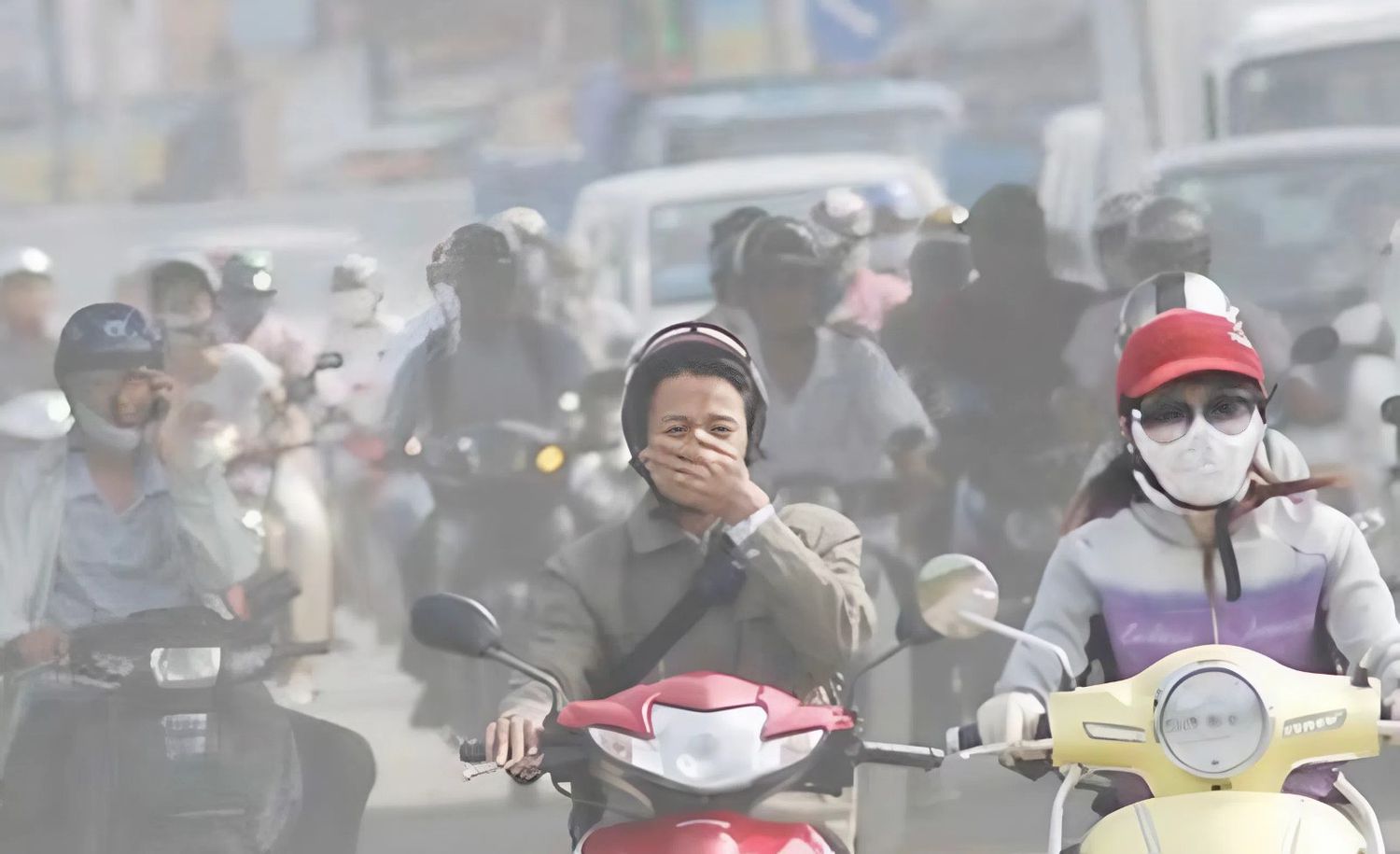
A thick layer of fine dust covered many inner-city districts. Most monitoring stations recorded an AQI level of 200 - 300, which is considered harmful to the health of all subjects, including people with good health.
By 9:30 a.m. the same day, the average AQI had slightly decreased to 205 compared to 225 on November 30, but there was still no sign of it leaving the top polluted cities.
On the air quality monitoring map, areas such as Thach That, Tay Ho, Phu Thuong Ward and Hai Ba Trung are all in the purple warning zone, indicating very bad air quality and a high risk to public health.
Source: Linh Thuong/VOV.VN
Traffic is difficult in the dusty fog
According to records at 8am, although the weather was sunny, many roads were still covered in fog. Visibility was significantly reduced, causing inconvenience to people, especially at the beginning of working hours.
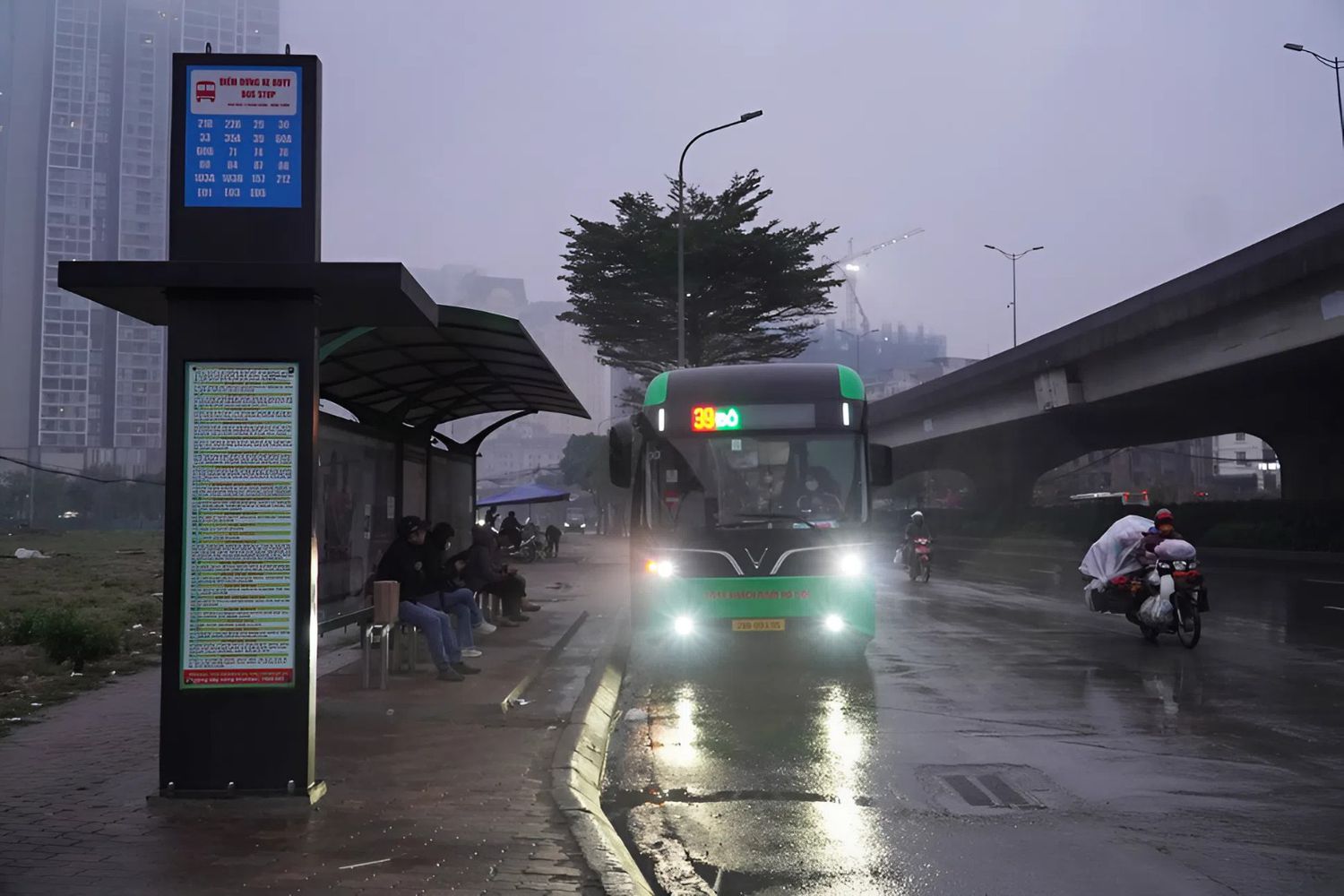
The drizzle and fog made it even more difficult to move. Many people had to wear thin raincoats or turn on their car lights to see better.
The thick fog made many high-rise buildings almost hidden. On Nguyen Trai Street, there were many vehicles so most of them turned on their lights due to limited visibility.
Causes and recommendations
In recent days, Hanoi has experienced cold and dry weather. During the day, the temperature is around 19 to 25 degrees Celsius, and at night it drops to 12 to 14 degrees Celsius. The large temperature difference makes the air dry and forms a temperature inversion, making it difficult for fine dust to diffuse out of the urban area.
On November 26, the Ministry of Agriculture and Environment requested that northern localities deploy response measures within 10 days due to forecasts of temperature inversion, windlessness and fog. The concentration of fine dust PM2.5 may increase, pushing the AQI above 150.
Some solutions are required to be implemented immediately:
- Check construction sites, require covering and cleaning wheels before leaving the site. Suspend construction sites that cause serious dust. Handle vehicles that drop materials
- Provide continuous air quality information and advise the elderly, children, and people with respiratory diseases to limit going outside. Wear masks when AQI is high
- Self-monitor indoor air quality
- Indoor air is also greatly affected on heavily polluted days. You should equip yourself with a personal air quality measuring device to know exactly the concentration of PM2.5 fine dust, CO2 and other toxic components that are affecting your office or home.
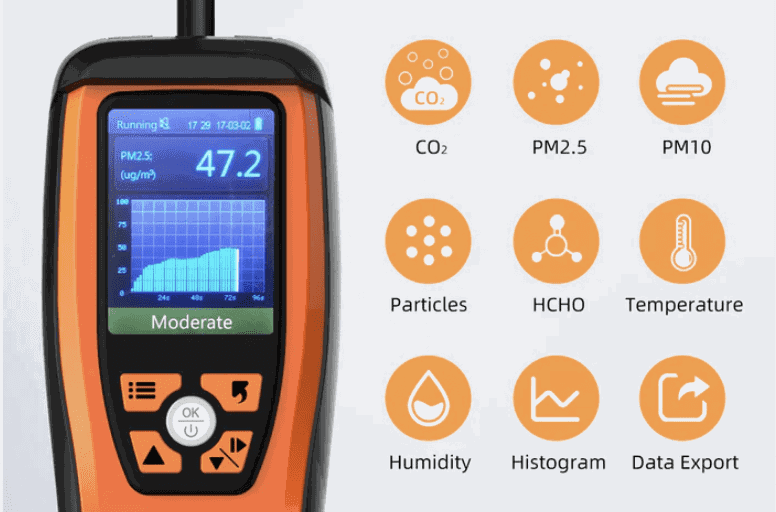
- Refer to the indoor air quality measuring devices distributed by EMIN such as Temtop M10, UNI T A25D, Elitech M10, M2000C. These devices help accurately monitor PM2.5 or CO2 concentrations so you can proactively turn on the air purifier or open the ventilation when needed.
- Clean and filter the air: Close windows and doors on days of high pollution. Clean your home regularly and use an air purifier with a HEPA filter to remove fine dust and airborne particles from your living space.
Read more: Air pollution in the office? What should be done first?
In the context of high pollution levels, Hanoi residents need to regularly monitor air quality and proactively protect their health with appropriate measures. This situation may last due to weather factors, so staying informed and following recommendations from authorities will help minimize risks in daily life.