Harmful Effects of Microalgae and Harmful Algal Blooms (Red Tides) on Water Resources
The rapid increase in microalgae density in surface water sources, aquaculture ponds, and industrial water supply systems is becoming a major challenge for environmental management and operation. An excessive buildup of nutrients such as Nitrogen and Phosphorus creates ideal conditions for Algal Blooms and red tides to develop. Clearly understanding the scientific nature and impact mechanism of toxic algae is essential for environmental engineers and managers to design effective monitoring and prevention solutions.
Scientific Nature & Differentiating Harmful Algae from Beneficial Algae
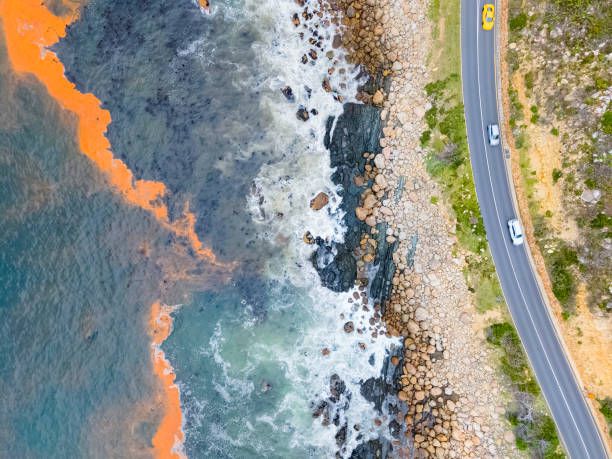
An Algal Bloom is a rapid surge in microalgae cell population within a body of water over a short period, turning the water deep green, red, or brown. Meanwhile, red tide is a specific type of harmful algal bloom occurring in saltwater or brackish environments, caused by explosions of toxic microalgae species belonging to the dinoflagellate group.
Beneficial Algae (Green Algae)
Turns the water a bright green color, evenly distributed throughout the water column. Produces no toxins, generates minimal odor, and serves as a vital natural food source for aquatic life.
Harmful Algae (Cyanobacteria / Dinoflagellates)
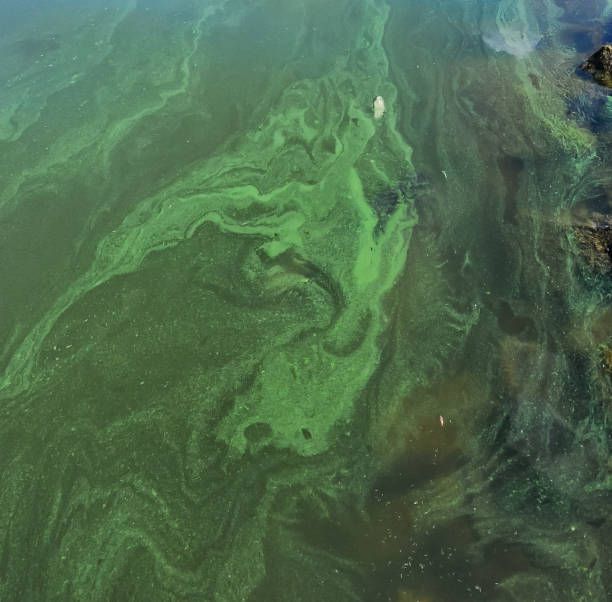
Forms a thick, dark green, paint-like scum floating on the surface during hot, sunny days. Blooms are accompanied by a strong fishy odor and dense foam buildup along the shoreline.
Hidden Contamination Risks from Harmful Algae in Water Sources
1. Nighttime Suffocation (Oxygen Depletion)
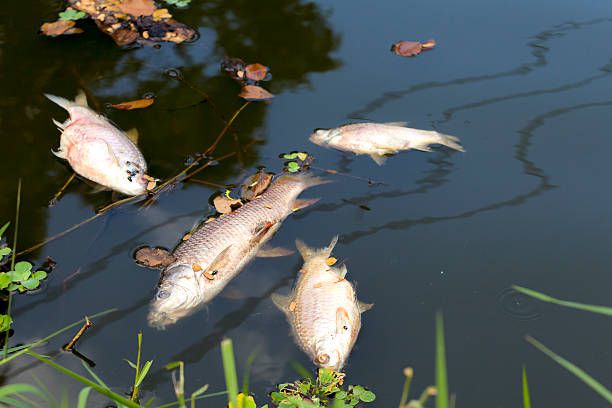
Algae photosynthesize and produce oxygen during the day, but at night, the massive biomass consumes large amounts of dissolved oxygen through respiration. This causes DO levels to drop drastically near zero by dawn—the leading cause of mass fish and shrimp suffocation.
2. Neurotoxins & Hepatotoxins
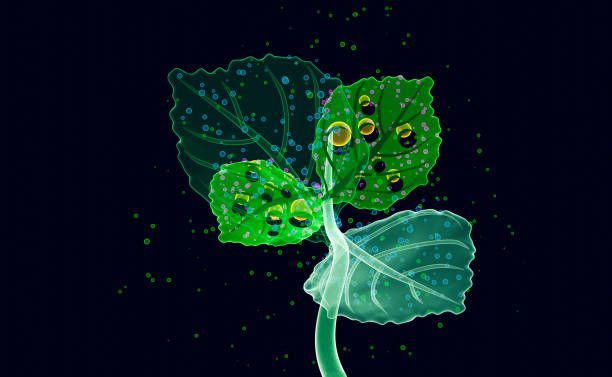
Algal species like Microcystis release dangerous extracellular toxins such as Microcystins. Highly heat-stable, these toxins are not destroyed by boiling and cause severe damage to the liver and central nervous system of both aquatic organisms and humans.
3. Mechanical Clogging of Filtration Systems
Dead algal matter sinking to the bottom or suspended in water causes a sharp spike in turbidity. This leads to rapid fouling and clogging of high-tech filtration membranes (RO, UF) in water treatment facilities.
Medical Perspective: Amnesic Shellfish Poisoning (ASP) in Humans
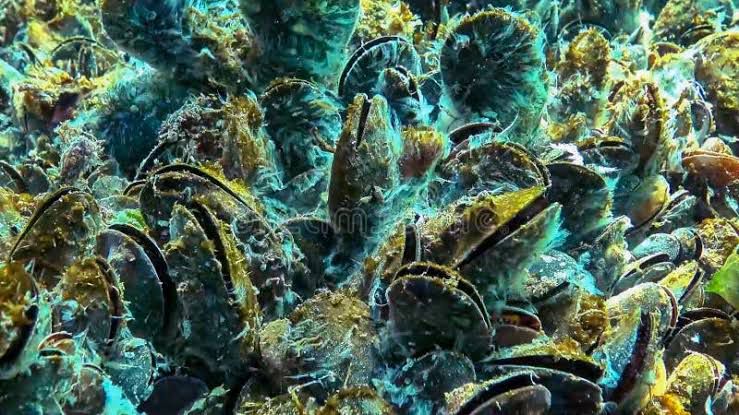
Consuming shellfish (such as shrimp, clams, and mussels) that have accumulated Domoic Acid from toxic algae during red tides can attack human neurological systems, posing severe risks of neurological damage, short-term memory loss, or muscle paralysis.
Economic Impact & Industrial Operations
Aquaculture Economic Loss
Sudden toxic algal outbreaks can wipe out entire commercial shrimp ponds and fish cage farms overnight, causing devastating financial losses for aquaculture farmers and enterprises.
Abnormal pH Fluctuations
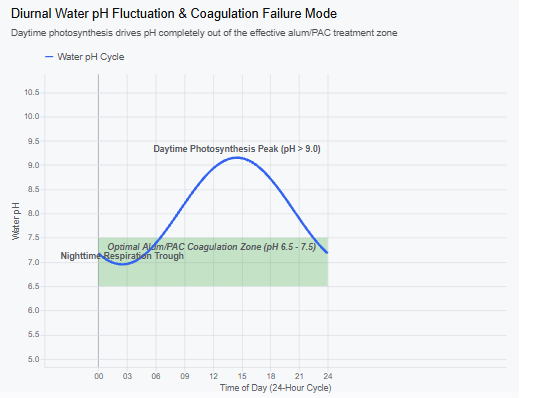
Algal blooms cause extreme pH swings throughout the day. Daytime photosynthesis consumes CO2 rapidly, driving pH above 9.0. At night, algal respiration releases CO2, dropping pH sharply. This volatility disrupts coagulants (such as alum or PAC) in water treatment plants.
4. Technological Solutions for Water Monitoring & Control
Continuously monitor dissolved oxygen levels, especially during the critical hours from 2:00 AM to 4:00 AM, to promptly activate emergency aeration systems. Equipping specialized DO meters from EMIN helps engineers access accurate real-time field data.
Continuous measurement enables operators to forecast algal blooms early and adjust treatment chemical dosages accordingly. Additionally, regular sensor calibration using specialized EMIN equipment is essential to maintain measurement accuracy after exposure to algae-contaminated water.
Deploy beneficial probiotics to outcompete harmful algae for nutrients, or apply Copper Sulfate ($CuSO_4$) under strictly controlled doses monitored via advanced water analysis instruments to prevent ecological shock in the aquatic environment.
Water Environment Monitoring & Measurement Solutions from EMIN
EMIN Vietnam officially distributes multi-parameter meters, pH pens, DO meters, and portable turbidity meters from world-leading brands, helping optimize microalgae control and protect water resources.