Thermal camera for insulation inspection can reveal conspicuous hot or cold areas on walls and roofs that may be associated with missing insulation. This gives inspectors a non-destructive way to investigate suspected problem areas before walls or roof structures are opened.
Summary: Missing insulation can allow heat or cold air to infiltrate parts of a building. Thermal imaging makes unusually hot or cold areas visible without opening the structure.
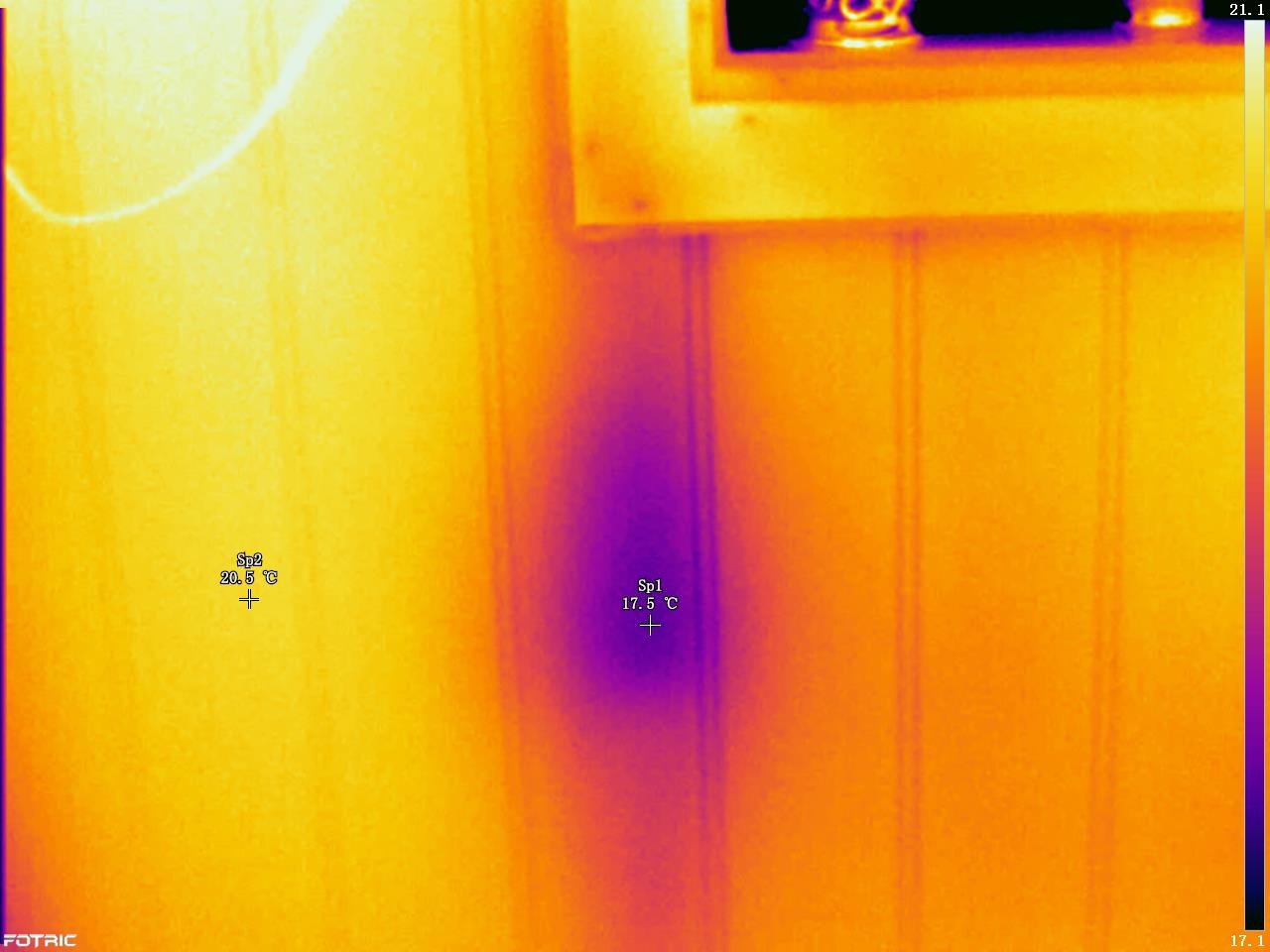
Why is missing insulation difficult to locate in a building?
Missing or improperly installed insulation may be concealed behind finished walls or within roof assemblies, making it difficult to locate by visual inspection alone. Opening these areas simply to search for a gap can be disruptive, so a non-destructive inspection method is useful when insulation performance is in question.
The source information notes that poorly insulated walls and roofs can affect living conditions and increase energy bills. It also states that, over time, these conditions may contribute to physical damage to the house.
How does a thermal camera indicate a possible insulation problem?
A thermal camera can display salient hot or cold spots where heat or cold air is infiltrating a particular area. In the stated application, these visible temperature differences can point an inspector toward locations where insulation may be missing or inadequate.
Thermal imaging does not require a wall to be opened to make the temperature pattern visible. This is the key advantage described for investigating insulation concerns that are otherwise difficult to find.
| Thermal pattern observed | What it may indicate in this application | Practical use |
|---|---|---|
| Conspicuous cold area | Cold air infiltration through a potentially under-insulated location | Identify an area for further assessment |
| Conspicuous hot area | Heat infiltration through a potentially under-insulated location | Communicate the location to a contractor or plan corrective work |
When can thermal imaging be useful for walls and roofs?
Thermal imaging can be useful when a homeowner or building inspector suspects that walls or roofs are improperly insulated but cannot readily see the affected area. It is particularly relevant when the goal is to locate likely problem areas without first tearing open finished building surfaces.
The thermal image can also help make the issue easier to explain to a contractor. By showing the location of a visible temperature anomaly, an inspector can communicate where follow-up attention may be needed.
What benefits can follow from addressing suspected insulation gaps?
Addressing insulation problems can help consolidate thermal insulation around the house. The source associates this outcome with reduced energy-bill costs and improved overall living conditions for residents.
These benefits depend on the actual condition of the building and the corrective work performed. A thermal camera supports the inspection process by revealing temperature patterns; it does not, by itself, replace the work required to correct an insulation issue.
What should an inspector do after finding a hot or cold spot?
A conspicuous thermal pattern should be treated as a location for further assessment and communication, rather than as a standalone repair instruction. The available information states that inspectors can use thermal imaging to clearly express the problem to contractors or proceed with correcting the issue.
Note: The source links hot and cold areas to air infiltration and possible missing insulation, but it does not provide a detailed diagnostic protocol. Keep conclusions focused on the observed area and confirm the appropriate corrective action during the building assessment.