PDN impedance can be measured with a vector network analyzer (VNA), using a 1-port method for higher impedance levels or a 2-port shunt-through method for very low impedance applications. When budget is limited, the practical choice depends on the required measurement range and whether access to an instrument is needed only temporarily.
The supplied material identifies S-parameter-based VNA measurements as the usual approach for this work. It also notes that high-performance instruments may exceed some project budgets, so measurement needs should be defined before selecting an option.
Summary: PDN measurements typically use a VNA and S-parameters. A 1-port setup is described for higher impedance levels. A 2-port shunt-through setup is described for very low impedance. Instrument cost and duration of use can influence the available approach.
What is used to measure a power distribution network (PDN)?
A vector network analyzer (VNA) is typically used to perform PDN measurements. The source associates this need with designs using microcontrollers, CPUs, and FPGAs, where engineers may face power distribution network design challenges.
PDN measurement is concerned with impedance behavior. The appropriate measurement configuration is determined in part by the impedance level that must be evaluated.
When is a 1-port PDN measurement used?
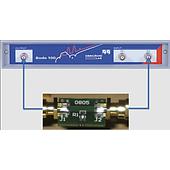
A 1-port measurement can be used for impedance levels above a few hundred m?, according to the supplied source. The unit symbol is rendered incompletely in the source material, so that value should be checked against the intended measurement documentation before it is used as a setup limit.
This description establishes the 1-port method as the higher-impedance option relative to the 2-port shunt-through method. It does not provide enough information to define a universal threshold beyond the value as presented.
When is a 2-port shunt-through measurement used for PDN?
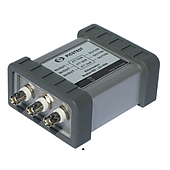
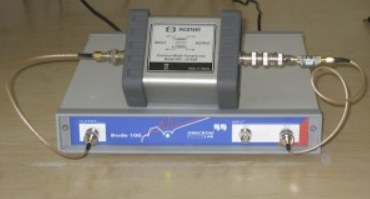
A 2-port shunt-through measurement is used for applications as low as 1m? and, in some cases, even lower. In the supplied comparison, it is the method intended for lower impedance than the 1-port approach.
Very low impedance measurement requirements therefore call for careful selection of the measurement configuration. The source does not provide detailed fixture, calibration, or connection procedures, so those details cannot be inferred from this information alone.
Why are S-parameters relevant to PDN measurement?
Both the 1-port and 2-port methods described are based on S-parameters. The source states that this allows the cable to match the instrument impedance all the way to the point of measurement.
This is the common technical basis named for the two configurations. It means the measurement approach is not simply a choice between two connectors or ports; the S-parameter measurement method is part of how the instrument and cable are used to reach the measurement point.
How do 1-port and 2-port PDN measurements differ?
The main difference stated in the source is the impedance range each approach addresses: 1-port is used at higher impedance levels, while 2-port shunt-through is used at very low impedance levels.
| Measurement approach | Impedance use described in the source | Shared basis |
|---|---|---|
| 1-port measurement | Above a few hundred m? as rendered in the source | S-parameters |
| 2-port shunt-through measurement | As low as 1m? and sometimes lower, as rendered in the source | S-parameters |
Note: The impedance-unit characters in the supplied source are incomplete. The comparison above retains the values as presented rather than assigning a unit that is not fully shown.
What options are available when a high-performance VNA is outside the budget?
If a VNA is needed only for a short period, the source suggests considering instrument rental. It also states that lower-cost instruments may be usable depending on the measurement requirements.
High-performance VNAs are available from major test-equipment manufacturers, including Agilent, Tektronix, Teledyne Lecroy, and Rohde & Schwarz. The source says many product lines offer S-parameter measurements up to 40 GHz or higher, but it does not identify a specific product or claim that this capability is necessary for every PDN task.
How should you choose a budget-conscious PDN measurement approach?
Start by defining the impedance range to be measured and whether the need is temporary or ongoing. Based on the supplied information, those two factors help determine whether a 1-port or 2-port method is relevant and whether renting or considering a lower-cost instrument may be appropriate.
Do not treat the instrument’s highest frequency specification as the only selection criterion. The source supports matching the measurement approach to the required impedance range, but it does not provide enough details to recommend a particular VNA, accessory set, or measurement procedure.