For full functionality of this site it is necessary to enable JavaScript.
EMIN.ASIA
0

In what situations is the equilibrium standard commonly used?

03/13/2026 14:52:24

In many places where electronic scales are used, such as laboratories, manufacturing plants, or measurement centers, a standard object with a specific mass is often needed to place on the scale and compare it to the displayed value. This is where standard weights are used.

These are metal blocks manufactured with predetermined weights such as 1 g, 10 g, 100 g, 1 kg, etc. When placed on a scale, users can easily observe whether the displayed result matches the weight of the block.
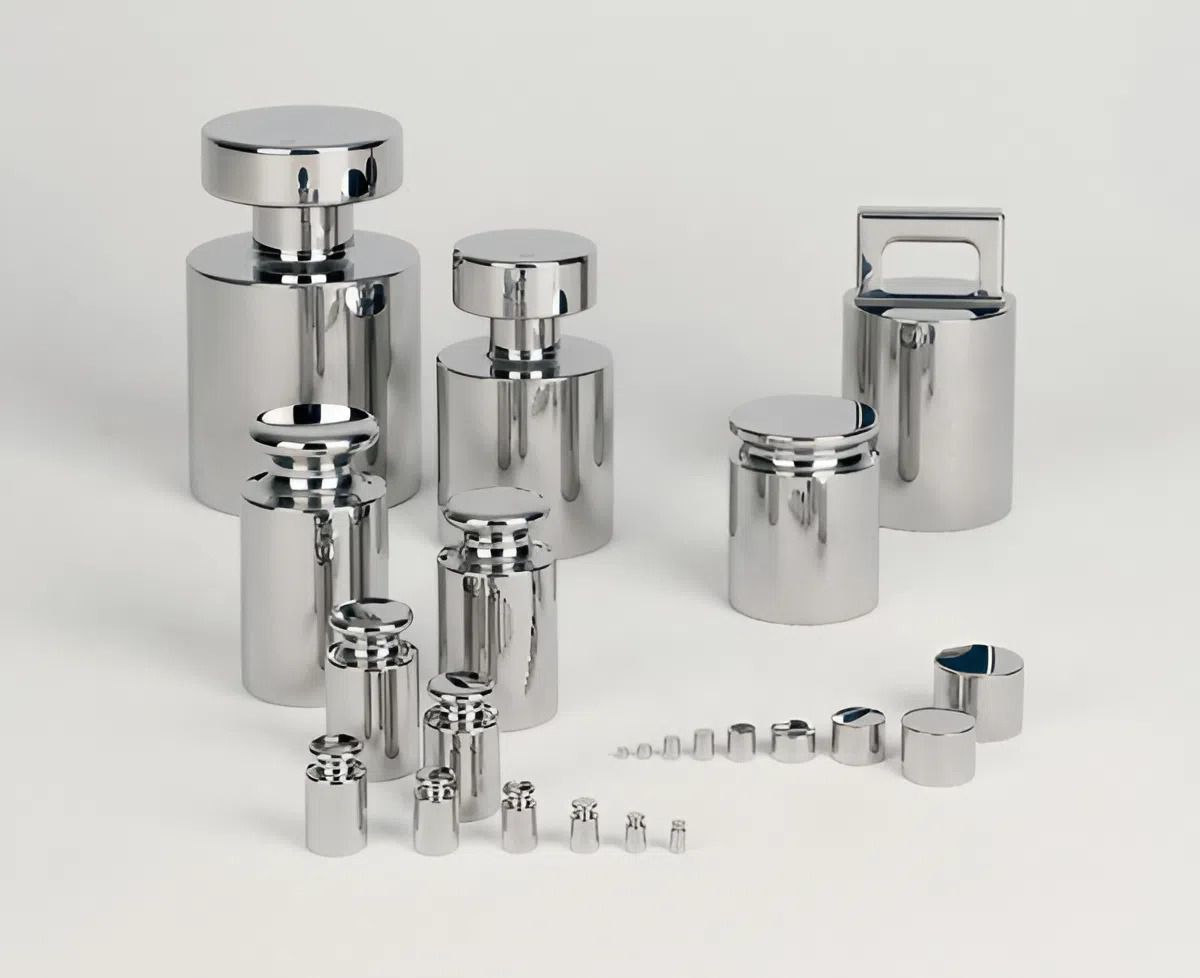
Thanks to this simple method, many organizations can quickly check the condition of their scales after a period of use.

Use this when you need to quickly test an electronic scale.

In laboratories or material weighing areas, electronic scales are often used continuously every day. After a while, users usually place a standard weight on the scale to see if the displayed reading changes significantly from the initial weight.

For example, when placing a 1 kg weight on the scale, if the displayed reading remains close to 1 kg, the scale is still functioning properly. If the result differs significantly, the user will check the scale again before continuing to use it.

This testing method is quite simple and therefore widely applied in many different environments.

Used in laboratories and measurement centers

In the laboratory, standard weights are often used in sets of various weights. A set might include smaller increments such as:

-1 mg

-10 mg

-100 mg

-1 g

-10 g

-100 g

These weights are usually stored in specialized boxes for easy storage and convenient use.

Thanks to the variety of weights, users can test different values ​​on the scale instead of using only a single increment.

Where can I use a calibration scale?

In many factories, electronic scales are used to weigh raw materials, chemicals, or products before packaging. In these cases, users sometimes place a standard weight on the scale before starting work.

This helps them feel more confident when using the scale to weigh materials or products. Therefore, in production areas, standard weights are usually kept on hand for use when needed.

Levels of standard weights

Standard weights are classified into different classes according to international measurement standards. Some common classes include:

E1, E2

F1, F2

There are also many other types M1, M2, and M3. See more: EMIN Calibration Scales

These classes mainly differ in the permissible error of the weight. Those with the E designation are commonly used in laboratories, while those with the M designation are more frequently seen in commercial or manufacturing operations.

Depending on the type of scale being used, the user will choose the appropriate weight.

Related News

6 Essential Measuring Instruments in a Solar Technician’s Tool Bag
09/16/2026 14:19:49

A measurement toolkit for solar PV installers does not necessarily need to contain a large number of instruments or excessive functions. What matters is having the right tool for each task on the roof: measuring DC voltage, checking string current, verifying polarity, testing insulation, checking grounding, or commissioning the entire system.

5 Steps to Check Grounding for Rooftop Solar PV Systems During the Stormy Season
09/16/2026 11:51:17

Rooftop solar PV arrays are installed at elevated locations and contain numerous metal frames, aluminum rails, and long cable runs across the roof. As the stormy season approaches, the grounding and lightning protection systems should be inspected to ensure that fault current and lightning current can follow the intended paths.

Why Does a Soldering Iron Heat Up Quickly but Still Solder Slowly ?
09/16/2026 11:04:47

Before contacting the material, a handheld soldering iron mainly heats the soldering tip. Once soldering begins, heat is continuously transferred from the tip to the material. If the heat supply is not sufficient to compensate for heat loss, the temperature at the contact area drops and the processing time increases

Decoding the Challenges of Semiconductor Chip Testing
09/15/2026 13:57:41

In the semiconductor testing and measurement sector—where every nanosecond and microvolt can determine the success or failure of a chip design—choosing the right test equipment has never been simply a matter of comparing specifications on paper.

Causes of nylon fabric yellowing
09/15/2026 10:05:40

Nylon fabric yellowing is a surface color change in which white or light-colored material turns yellow when exposed to light, heat, or chemicals. Therefore, a fabric color fastness tester is an essential part of the quality control process, helping manufacturers evaluate color stability before discoloration occurs in finished products.

Stay Updated with Offers

Get exclusive volume discounts, bulk pricing updates, and new product alerts delivered directly to your inbox.

By subscribing, you agree to our Terms of Service and Privacy Policy.

Quick Support

Direct access to our certified experts