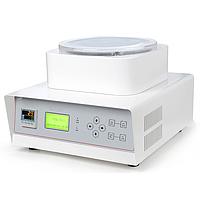
Portable Heat Seal Strength Tester
Reliable sealing performance is critical in packaging, medical pouches, flexible materials, and many other production environments where bond quality directly affects product safety and consistency. When seal integrity needs to be checked close to the process, a Portable Heat Seal Strength Tester helps teams evaluate sealing behavior without relying only on centralized lab equipment.
This category is intended for users looking for practical testing solutions within mechanical and physical quality control workflows. Portable systems are especially useful when operators, quality engineers, and production teams need faster verification of heat-sealed joints, comparative checks between batches, or support for troubleshooting during setup and maintenance.
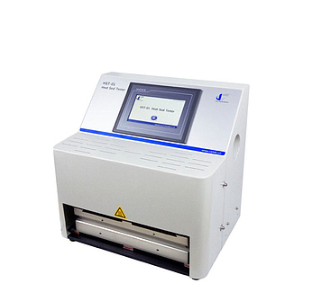
Why portable seal strength testing matters
Heat sealing is a common joining method for films, pouches, laminated materials, and other flexible packaging formats. Even when the sealing process appears stable, variations in temperature, dwell time, pressure, or material structure can lead to weak joints, inconsistent peel behavior, or premature failure during transport and storage.
A portable tester supports on-site verification by allowing users to assess seal performance closer to the actual production line. This can reduce delays between production and inspection, improve process feedback, and make it easier to identify whether a problem is related to sealing parameters, material variation, or handling conditions.
Typical use cases in industrial and packaging environments
Portable heat seal strength testing is relevant wherever sealed materials must meet internal quality standards or customer requirements. Common examples include flexible packaging manufacturing, contract packaging, medical and pharmaceutical pouch production, food packaging, and general industrial material converting.
In these environments, the goal is not only to determine whether a seal breaks, but also to understand how the seal fails. A controlled seal strength check can help distinguish between seal layer failure, material tearing, adhesive issues, or process instability. That information is valuable for production adjustment, incoming material evaluation, and routine quality documentation.
For broader material performance evaluation, some users also review related test areas such as water vapor transmission rate systems or oxygen permeation systems when barrier behavior is part of the overall packaging validation process.
What to consider when selecting a portable tester
The right device depends on how and where testing will be performed. In production-oriented applications, portability is only one factor; users should also consider the type of sample, expected seal strength range, repeatability requirements, and whether the test is mainly for pass/fail screening or for more detailed comparative analysis.
It is also important to match the instrument to the workflow. A compact unit may be preferable for line-side use, while a more structured setup may suit quality rooms that need frequent movement between stations. Buyers should look at practical points such as ease of sample handling, operating simplicity, test consistency, and how easily results can be integrated into existing QA procedures.
- Application scope: packaging films, laminated pouches, medical packaging, or industrial sealed materials
- Testing objective: routine quality checks, process setup, failure investigation, or comparative material evaluation
- Operating environment: production floor, QA station, pilot line, or field inspection
- Usability: sample preparation requirements, operator training needs, and frequency of testing
Understanding the role of manufacturers and equipment ecosystem
This category sits within a broader testing landscape where different manufacturers address different mechanical and physical validation needs. Brands such as Roxer, Cometech, KMT, Yasuda, and MStech are relevant in industrial testing environments, although the exact fit depends on the test method, material type, and level of automation required.
In practice, portable seal strength testing is often part of a wider quality workflow rather than a standalone activity. Companies may combine seal testing with environmental conditioning, barrier assessment, thermal processing checks, or other material verification steps to build a more complete view of product performance across production and storage conditions.
Representative equipment context from this product range
Some products associated with the broader manufacturer ecosystem illustrate how testing and conditioning equipment can support process validation around sealed or pressure-sensitive products. For example, Roxer PLAROX PR1, PLAROX PR3, PLAROX MINI, and PLAROX PR10 are heating plate solutions used where controlled warming is part of preparation or workflow support.
Other examples, such as the Roxer PV15, PV25, and PXX series water pressurisation machines, are designed for pressure-related testing tasks in watch applications. While these are not substitutes for a portable heat seal strength tester, they highlight the broader industrial focus on controlled, repeatable test conditions and the importance of choosing equipment that matches the exact failure mode or performance parameter being evaluated.
How portable testing helps improve process control
One of the main benefits of portable equipment is faster feedback. Instead of waiting for samples to be transferred to a central lab, operators and engineers can perform checks closer to the sealing line and compare results across shifts, machines, or material lots. This shortens the response time when troubleshooting inconsistent seals.
Portable testing can also support preventive quality control. Regular spot checks help detect drift before it becomes a larger production issue, especially in processes where sealing temperature, pressure, tooling condition, or substrate changes can influence final bond strength. For many B2B users, that means less waste, more stable output, and better traceability during audits or customer reviews.
Related categories for broader material and equipment evaluation
Depending on the product and production method, buyers may need to review additional categories beyond seal strength alone. Thermal conditioning can be relevant in some workflows, and users comparing laboratory support equipment may also be interested in furnaces for controlled heating applications in other material testing contexts.
Where equipment stability and installation conditions affect measurement quality, vibration isolator solutions may also be useful in the wider test environment. These categories do not replace portable seal testing, but they can help users build a more reliable and application-appropriate quality control setup.
Choosing the right solution for your workflow
Selecting a portable seal strength tester should start with the real testing objective: routine production checks, validation of sealing parameters, investigation of seal failures, or support for packaging development. The most suitable option is the one that delivers repeatable results in the environment where decisions actually need to be made.
Within this category, the focus is on helping industrial buyers compare suitable solutions for practical, line-side, and quality-focused testing. If your process also involves barrier assessment, thermal conditioning, or other physical validation steps, reviewing adjacent equipment categories can make it easier to build a more complete and efficient test workflow.
Get exclusive volume discounts, bulk pricing updates, and new product alerts delivered directly to your inbox.
By subscribing, you agree to our Terms of Service and Privacy Policy.
Direct access to our certified experts