For full functionality of this site it is necessary to enable JavaScript.
EMIN.ASIA
0

Microorganisms in Wastewater Treatment Plants Die: Causes and Solutions for Complete Remediation

10/06/2026 16:27:48

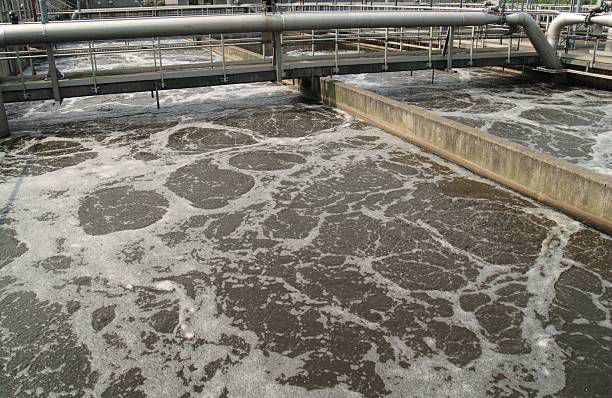
Wastewater treatment plants use aerobic tanks to break down pollutants. Biological problems occur when the sludge turns black with surface foam, causing effluent water parameters to exceed permissible limits. Addressing this situation requires engineers to measure core environmental parameters instead of adding random probiotics

Dead Microorganisms in Wastewater Treatment Plants: Causes & Emergency Recovery

Wastewater treatment plants rely on aerobic tanks to break down pollutants. Biological system failures occur when sludge turns black accompanied by surface foam, causing discharge parameters to exceed allowable limits. Resolving this issue requires engineers to measure core environmental parameters rather than adding random bio-products.
Check 3 Critical Parameters with Measurement Instruments

Dissolved Oxygen (DO) Concentration

Standard Range: 2.0 - 4.0 mg/L

Dissolved oxygen concentration plays a vital role in maintaining respiration for activated sludge. Standard values range from 2.0 to 4.0 mg/L. Oxygen levels dropping below 1.5 mg/L lead to anoxic conditions, reducing efficiency and turning sludge black. Values exceeding 5.0 mg/L waste energy and break floc structures due to excessive agitation. Portable measuring devices enable direct testing at each location to accurately assess aeration efficiency.

Wastewater pH Index

Standard Range: 6.5 - 8.5 pH

The pH index reflects the stability of the influent stream. The optimal pH range lies between 6.5 and 8.5. Sudden fluctuations caused by acidic or alkaline chemicals push pH outside the safe range, damaging microbial communities. Dedicated pH meters placed directly in the stream provide continuous data to detect fluctuations promptly.

Nutrient Ratio (BOD : N : P)

Golden Ratio: 100 : 5 : 1

Nutrient ratios must be maintained according to the formula 100 : 5 : 1. Industrial wastewater often lacks organic carbon or contains excess pollutants. COD measurement devices quantify incoming organic loads, establishing a precise baseline for adding molasses or compounds containing nitrogen and phosphorus.

4-Step Emergency Biological Tank Recovery Process

1
Step 1: Isolate & Remove Damaged Sludge

Isolate the system, turn off aeration, and discharge the damaged sludge into the sludge holding tank to prevent contamination from spreading to downstream tanks.

2
Step 2: Adjust Water Environment to Standard

Engineers use pH meters to test and neutralize water to a range of 7.0 to 7.5, then restart the air blowers until the dissolved oxygen (DO) level exceeds 2.0 mg/L.

3
Step 3: Inoculate Biomass & Supplement Nutrients

Add fresh biomass alongside nutrient sources (molasses, Urea, DAP) based on calculations of actual organic loading.

4
Step 4: Maintain Continuous Monitoring

Continuously monitor parameters including temperature, pH, dissolved oxygen, and sludge settling volume (SV30) daily using portable instruments to track microbial growth rates.

Field Measurement Solutions from EMIN Vietnam

Genuine portable measurement instruments help engineers measure field parameters quickly, eliminating laboratory analysis delays and ensuring wastewater treatment system stability.
Related News

The scent of new wood in a newly handed-over apartment: How to measure and address formaldehyde (HCHO) levels before moving in
11/14/2026 10:28:19

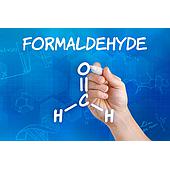
Many people refer to the pungent, acrid odor that emerges when opening a new cabinet as the "smell of new wood," assuming it will simply dissipate after a few days. In reality, however, what is being released could well be formaldehyde—a substance originating from the adhesives used in the pressed-wood panels—and our sense of smell is not a reliable enough gauge to determine the concentration levels present

Guide to Selecting a TCLP Toxicity Characteristic Leaching Procedure Shaker Configuration in Compliance with QCVN 07:2025/BNNMT and TCVN 9239:2012
11/13/2026 17:23:39

Regulation QCVN 07:2025/BNNMT (replacing QCVN 07:2009/BTNMT and QCVN 50:2013/BTNMT) specifies hazardous waste and sludge thresholds based on leachate concentrations. To ensure that analytical results for heavy metals and organic compounds are accepted during ISO/IEC 17025 or VIMCERTS assessments, laboratories must comply with the Toxicity Characteristic Leaching Procedure (TCLP) specified in TCVN 9239:2012, which is equivalent to US EPA Method 1311

Checking the Temperature of Paint and Coating Surfaces After Curing Using an Infrared Thermometer
11/13/2026 16:11:22

An infrared thermometer allows surface temperature measurement without direct contact, making it suitable for products coming out of curing ovens or surfaces that are difficult to access. However, to ensure reliable results for production quality control, it is important to understand the measurement principle and the factors that affect measurements on painted and coated surfaces.

Crowded Gyms and Yoga Studios: How to Manage Air Quality to Retain Members
11/13/2026 15:07:40

Around 6 or 7 in the evening, the gym becomes packed; the music drowns out the sound of heavy breathing, and the air conditioning runs at full blast behind closed doors. At first glance, everything seems fine: the room is cool, the lights are bright, and the equipment is state-of-the-art. Yet, after just a few sessions, regular members begin to feel a heavy-headedness and find themselves running out of breath more quickly eventually, they simply stop renewing their memberships. No one complains about the personal trainers or the exercise machines. The very thing that makes them feel stifled and drives them away is something entirely invisible: the air inside the room

Stay Updated with Offers

Get exclusive volume discounts, bulk pricing updates, and new product alerts delivered directly to your inbox.

By subscribing, you agree to our Terms of Service and Privacy Policy.

Quick Support

Direct access to our certified experts