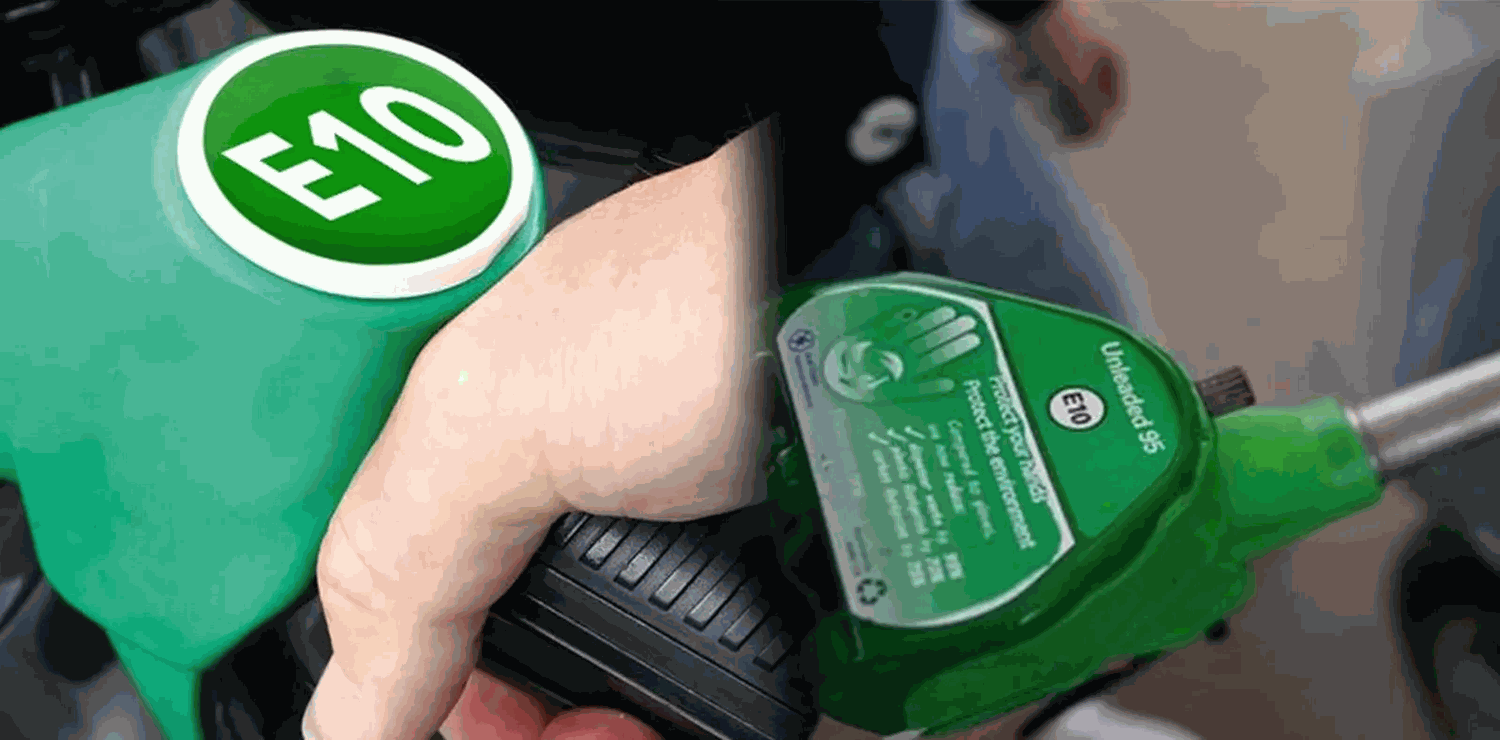
For those unfamiliar with this new type of biofuel, E10 is a mixture of 90% base gasoline and 10% ethanol. To ensure stable operation in millions of vehicles, each batch undergoes numerous tests related to combustion efficiency, chemical stability, safety, and engine compatibility.
The ethanol content must be controlled to the correct ratio
Ethanol is the component that differentiates E10 from traditional gasoline.
If the ethanol content is lower than the regulated level, the environmental benefits will be significantly reduced. Conversely, exceeding the permitted ethanol content can alter fuel characteristics, affecting combustion and compatibility with certain materials in the fuel system.
Therefore, accurately determining the ethanol content is always among the most important tests for biofuels.
In fuel testing laboratories, many modern analytical methods are used to determine the ethanol content and control errors to a very small extent.
The octane rating determines the anti-knock capability
This is the most familiar parameter for vehicle users.
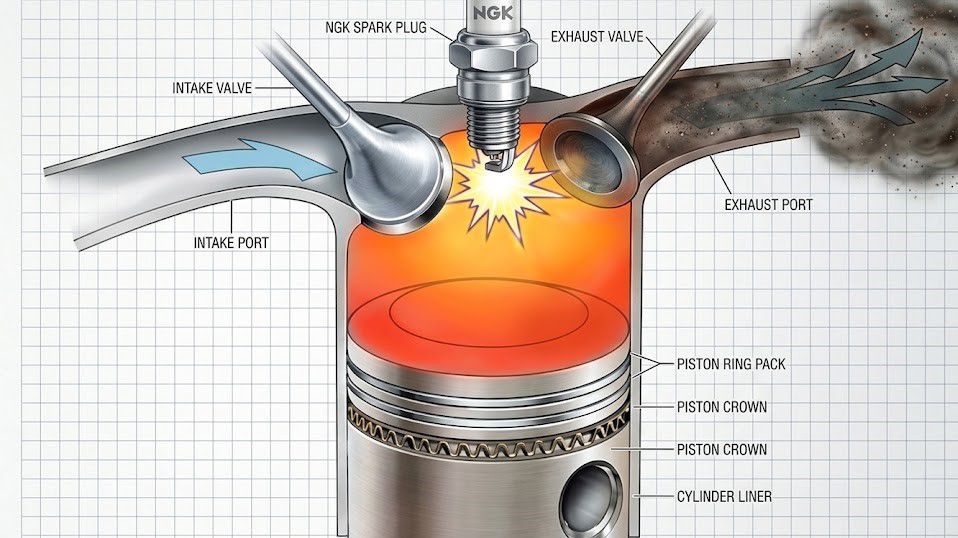
The octane rating reflects the ability to resist premature detonation in the combustion chamber. The higher the value, the more stable the engine operates under high compression pressure.
One of the reasons E10 is positively evaluated is that ethanol possesses a high octane rating. When blended in the right proportions, the fuel can achieve an octane level equivalent to or higher than conventional gasoline.
However, this rating cannot be assessed by sensory perception. Manufacturers and testing units must use specialized equipment to determine RON, MON, or AKI according to international standards before the fuel is released onto the market.
To quickly and efficiently monitor fuel levels on-site, businesses often rely on specialized analytical solutions with fast response times, such as:
Shatox SX-300 Fuel Index Meter: A fast octane meter, ideal for preliminary checks at distribution stations ((ON) 40–135, error ± 0.5).
Samyon QX-D Octane/Cetane Analyzer: A versatile solution for both gasoline and diesel, helping businesses quickly grasp technical specifications (70.0–110.0/RON).
Water content directly affects fuel stability
Water is always a tightly controlled factor in biofuels.
Unlike traditional gasoline, ethanol absorbs moisture from the environment. When the water content exceeds the permissible level, the mixture risks phase separation, causing the ethanol and gasoline to no longer be evenly distributed.
This phenomenon can reduce fuel quality, affecting combustion efficiency and engine performance. For this reason, moisture and water content measurements are always included in the E10 quality assessment process before shipment.
Steam pressure determines starting capability
One often overlooked but crucial parameter is saturated vapor pressure. This parameter reflects the rate of fuel evaporation under varying temperature conditions.
Incorrectly low vapor pressure makes it difficult for the engine to start in cold weather. Conversely, excessively high vapor pressure can increase the risk of fuel evaporation in the pipeline, causing vapor lock and affecting the fuel delivery process.
Petroleum refineries and biofuel blending units must monitor this parameter to ensure stable fuel operation under various climatic conditions.
In particular, if the saturated vapor pressure is not tightly controlled, the fuel can evaporate too quickly in the pipeline, leading to vapor lock. This is why many vehicles experience loss of power and power even when the engine is running at medium load.
The flash point is directly related to storage and transportation safety
Before being delivered to storage facilities or distribution systems, fuel must undergo safety tests.
The flash point is one of the most important indicators, reflecting the lowest temperature at which fuel vapors can ignite upon contact with an external ignition source.
This result helps assess the level of safety during the storage, transportation, and use of fuel on an industrial scale. It is also a frequently performed test in petroleum laboratories, refineries, and fuel testing centers.
The potential for corrosion needs to be monitored regularly
A good fuel not only helps the engine run efficiently but also protects the internal components of the fuel system.
Copper corrosion tests are used to assess the risk of fuel impact on metal after prolonged use. If the sulfur, acid, or impurity content exceeds permissible limits, the risk of corrosion increases significantly, leading to a series of undesirable maintenance and repair costs.
The quality of E10 gasoline is determined by a comprehensive testing process
Consumers typically only see gas stations and fuel pumps. However, behind every liter of E10 fuel are a series of tests to ensure the fuel meets technical requirements before being released to the market.
From ethanol content, octane rating, water content to vapor pressure and flash point, each parameter directly affects the fuel's performance and safety.
For laboratories, fuel research units, and businesses operating in the petroleum sector, investing in specialized analytical solutions is particularly important. Currently, EMIN provides a variety of fuel measurement and analysis equipment such as octane analyzers, flash point meters, fuel testing systems, and laboratory solutions according to international standards, supporting the comprehensive and objective evaluation of fuel.