For full functionality of this site it is necessary to enable JavaScript.
EMIN.ASIA
0

Factors affecting the electrical conductivity (EC) in soil

04/11/2026 09:31:50

According to specialized literature, the electrical conductivity (EC) of soil is typically between 0.2 and 1.2 mS/cm. This is the range within which plants can absorb nutrients relatively stably. When it falls below this threshold, the amount of dissolved ions is insufficient, leading to nutrient deficiencies. When it exceeds this threshold, the salt content increases, affecting plant growth.

Electrical conductivity (EC) in soil is not constant but changes depending on the environmental conditions and characteristics of the soil. This article will clarify this.

Temperature and soil characteristics affect the electrical conductivity (EC) of the soil

The temperature of soil, water, and air directly affects the mobility of ions. As temperature increases, ions become more mobile, thus increasing the EC (Electrostatic Pressure) index. Conversely, as temperature decreases, ion movement slows down, and conductivity also decreases.

In addition, soil structure determines its water retention capacity and ion distribution. In dry conditions, ions are more tightly bound to soil particles, making movement difficult. With sufficient moisture, water helps dissolve and release ions, increasing conductivity.

Electrical conductivity depends on the type of substance and the degree of ion dissociation; this is analyzed in more detail in the article Ranking the Best Electrical Conductors Currently Available

Differences between soil types are also evident in the EC index. Sandy soils retain water poorly, so they usually have low EC. Clay or loamy soils retain moisture better, creating conditions for ions to exist and move, resulting in higher conductivity. Soils with balanced water retention and drainage capabilities tend to have more stable EC values.

Irrigation water, fertilizers, and soil depth alter electrical conductivity

Irrigation water carries dissolved substances that can alter the ion concentration in the soil. If the water contains a high salt content, conductivity will gradually increase over time. Conversely, rainwater or water sources with low mineral content can reduce salt concentration around the root zone.

Fertilizers directly supplement nutrient ions, thus significantly affecting EC. When used in high amounts, the accumulated salts in the soil will increase conductivity. If the threshold is exceeded, this excess can be detrimental to plants.

In addition, the depth of the soil layer also makes a difference in EC. The topsoil is usually rich in nutrients, suitable for root development. If the underlying soil contains a lot of clay or is near bedrock, the potential for ion accumulation may be higher, thereby altering conductivity.

Related News

Reactive Power Compensation Capacitors Bulging or Exploding Before Their Design Lifespan
09/17/2026 16:10:45

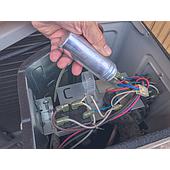
The capacitor labels indicated a 10-year lifespan, yet after just two years of service, the casings began to bulge; some even exploded, accompanied by a popping sound and a burnt odor that permeated the electrical room. The maintenance team would install replacements, only for the exact same issue to recur a few months later. This cycle repeated multiple times before anyone finally questioned whether the failures were due to the capacitors reaching the end of their service life or because they were being subjected to conditions beyond their original design specifications.

Overheated Neutral Wire and Neutral Current Exceeding Phase Current: What Are the Causes?
09/17/2026 15:44:48

According to balanced three-phase circuit theory, the neutral current should ideally be zero or negligible compared to the phase current. Yet, technicians frequently discover during inspections at electrical panels that the neutral wire is extremely hot, with measured neutral currents sometimes even exceeding the current in individual phase wires. This is neither a rare occurrence nor a measurement instrument error; rather, it indicates that the system's loads are non-linear, generating harmonics that traditional conductor sizing methods fail to account for

Fetal Sex Determination in Cows During Pregnancy
09/17/2026 10:31:45

Ultrasound-based fetal sex determination in cows can support herd planning, selection decisions, and reproductive strategy when performed at the appropriate stage of pregnancy.

Stay Updated with Offers

Get exclusive volume discounts, bulk pricing updates, and new product alerts delivered directly to your inbox.

By subscribing, you agree to our Terms of Service and Privacy Policy.

Quick Support

Direct access to our certified experts