This is when the sample digestion system truly proves its value: automating the entire sample processing workflow, stabilizing control over temperature, time, and reaction conditions, saving labor, and minimizing operational risks. Investing in a digestion system will be well worth it—especially if you take a few minutes to read through the article below.
Saving Effort and Time
No one wants to spend hours just preparing samples, especially when the work demands continuous accuracy and increasing time pressure. It can lead to staff fatigue and lower overall lab efficiency. At this point, a digestion system becomes the ideal solution—automating the process from start to finish, minimizing manual operations, reducing errors, and significantly saving time. Many facilities that have adopted this technology report a noticeable increase in processed workloads while reducing pressure on personnel. This is a meaningful shift towards a leaner and more effective working model.
Handling Chemicals Is No Longer a Concern
Direct exposure to concentrated acids or hazardous chemicals during digestion carries inherent risks. Studies show that it can cause skin burns, respiratory issues, and even accidental injuries. These risks accumulate over time with continued manual handling. That’s when operating a digestion system becomes essential. With a fully enclosed and automated process, the risk of chemical exposure or operational mishaps is nearly eliminated. Today, modern labs prioritize safety and protection for sensitive equipment and personnel alike—making the investment in a digestion system a smart and timely decision.
Structure and Operating Principle
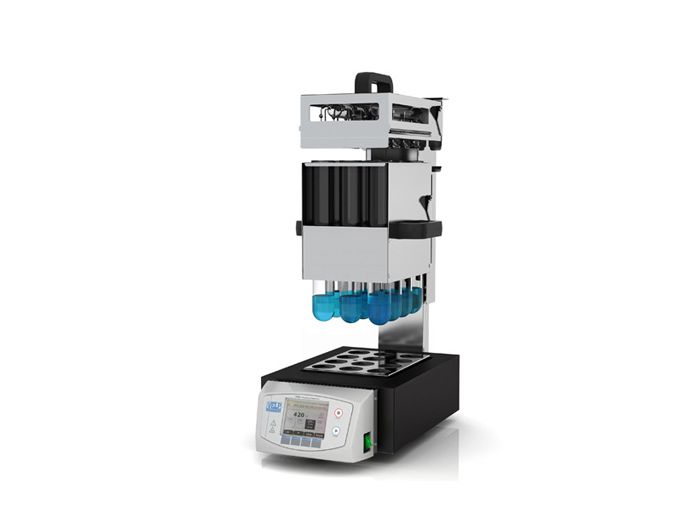
The digestion system is designed with a clear and optimized structure for sample processing in the laboratory. Key components include a high-pressure, high-temperature digestion chamber, a heating and pressurizing system to trigger reactions, an operation control panel, and integrated safety sensors and valves to ensure precision and safe operations.
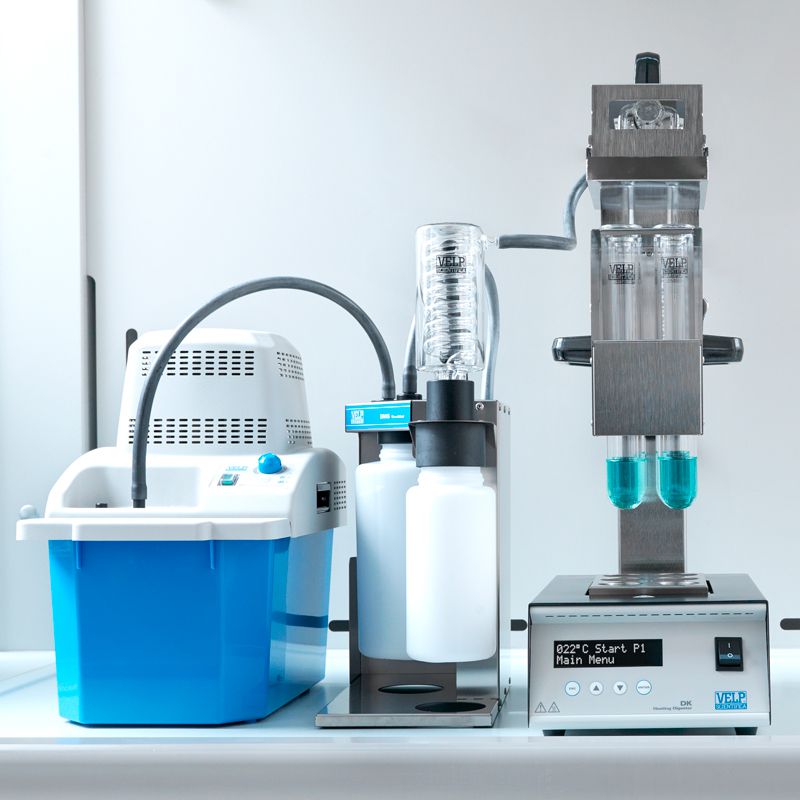
The system’s operation is relatively straightforward but requires strict control. Samples are placed in a specialized chamber, and the operator sets parameters such as temperature and pressure depending on the sample type. Once the system starts, it automatically heats and pressurizes to break down the sample structure, converting it into a homogenous solution. After completing the cycle, the solution is collected for subsequent analytical steps in the testing process.
Applications of Digestion Systems Across Industries
Food Industry
In the food industry, digestion systems are used to test for pesticide residues, heavy metals, and other contaminants. According to the World Health Organization (WHO), these systems not only improve the accuracy of food safety testing but also help ensure consumer health—especially as food hygiene standards become more stringent.
Pharmaceutical Industry
In pharmaceuticals, digestion systems play a critical role in analyzing active ingredients in medications. The digestion process creates uniform solutions, enabling reliable and accurate testing. According to the U.S. Pharmacopeia (USP), the use of digestion systems enhances the reliability of pharmaceutical testing and contributes to drug quality assurance in the market.
Environmental Sector
In environmental science, digestion systems are used to assess contamination levels in soil and water. The digestion process removes interfering substances, yielding clean, homogenous solutions that support accurate pollution assessment and better environmental management.