For full functionality of this site it is necessary to enable JavaScript.
EMIN.ASIA
0

Standard torque chart by size

04/14/2026 16:07:27

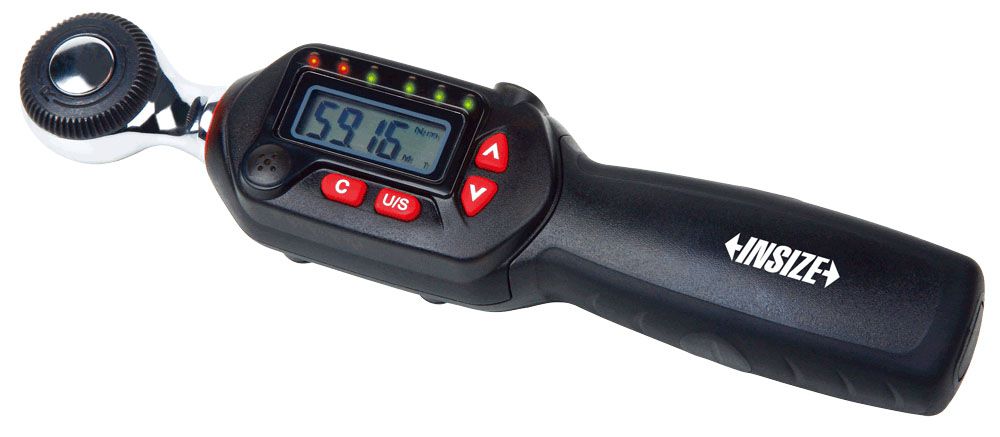
Using the correct bolt torque chart according to size and torque wrench not only ensures the durability of the connection but is also a core element in quality control. In the context of increasingly demanding technical requirements, tightening torque is no longer a matter of manual measurement, but has become a technical parameter that needs to be tightly controlled.

In modern systems requiring high precision and safety, each bolt size has its own standard torque corresponding to: bolt diameter, material strength grade, lubrication or dry conditions, and working environment (temperature, vibration)

1. Stainless steel tightening torque (Nm)

Stainless steel bolts typically have a lower tightening torque than steel bolts of the same size due to their characteristics: high friction, susceptibility to thread jamming, and lower strength compared to high-strength steel.

Bolt size

Stainless steel tightening torque (Nm)

M6

6-8 Nm

M8

15-20 Nm

M10

30-40 Nm

M12

50-65 Nm

M16

120-50 Nm

2. Automotive bolt tightening torque chart (common)

In the automotive industry, torque is extremely tightly controlled because it is directly related to safety

Location

Standard tightening torque (Nm)

Wheel bolts

90-120 Nm

Wheel bolts

40-100 Nm 

Wheel bolts

150-300 Nm

Suspension bolts

100-200 Nm

3. High-Strength Steel Bolt Torque Chart

Size

8.8 (Nm)

10.9 (Nm)

12.9 (Nm)

M8  

25

35

40

M10

50

70

85

M12

85

120

145

M16

200

280

330

M20

400

550

650

4. Bolt tightening torque chart for electromechanical equipment

Lorem Ipsum is simply dummy text of the printing and typesetting industry. Lorem Ipsum has been the industry's standard dummy text ever since the 1500s, when an unknown printer took a galley of type and scrambled it to make a type specimen book. It has survived not only five centuries, but also the leap into electronic typesetting, remaining essentially unchanged.

Size

Tightening torque (Nm)

M55

6 Nm

M68


10 Nm

M818


22 Nm

M1035

45 Nm

The able above is for reference only. In practice, torque adjustment is necessary when: Lubrication present → reduce torque by ~ 10-20% High vibration environment → increase torque or use threadlocker High temperature → changes material properties 

See more: Torque error: The “hidden cost” you are unknow

Related News

Downtime Doesn't Strike Suddenly: Many Factories Lose Hundreds of Hours of Production by Overlooking Subtle Warning Signs
06/25/2026 14:15:17

For many factories, downtime is often viewed as an unexpected event that strikes during a production shift. In reality, however, the situation is different. Before a motor fails, a variable frequency drive (VFD) reports an error, or a production line requires an emergency stop, the equipment typically emits multiple warning signals—such as abnormal temperature rises, excessive vibration, degraded power quality, or unstable communication performance. These indicators can persist for days or even months before an actual breakdown occurs

Micsig MOIP Series: Comprehensive testing solution for high-power three-phase inverters
06/22/2026 11:36:21

The widespread adoption of wideband semiconductor components such as SiC and GaN in photovoltaic inverters, motor drives, and automotive charging systems has driven the switching frequency and power density of three-phase inverters to unprecedented levels. However, this development has also brought with it severe measurement challenges: high voltages, intense electromagnetic interference, and the requirement for ultra-fast switching signal capture at the nanosecond scale

Stay Updated with Offers

Get exclusive volume discounts, bulk pricing updates, and new product alerts delivered directly to your inbox.

By subscribing, you agree to our Terms of Service and Privacy Policy.

Quick Support

Direct access to our certified experts