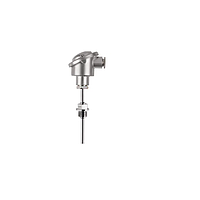
L-Type Temperature Sensor
Stable temperature measurement in harsh industrial environments often depends on choosing the right sensing principle, sheath construction, and mounting style. For processes that require a wide operating range, durable metal protection, and reliable response in machinery or thermal equipment, L-Type Temperature Sensor products are a practical option for many OEM, maintenance, and system integration applications.
Within this category, the focus is on thermocouple-based solutions commonly used for process temperature monitoring where mechanical strength and installation flexibility matter. The range includes screw-in designs, mineral-insulated constructions, and variants suited to fixed mounting or cable-connected measurement points.
Where L-type temperature sensors fit in industrial measurement
L-type sensors are typically selected for applications that need dependable temperature feedback across low to high temperature ranges, especially where probes must be installed directly into equipment, vessels, or heated assemblies. In practice, this makes them relevant for industrial heating systems, machinery, metal parts monitoring, and general process instrumentation.
Compared with some other sensing technologies, thermocouple-based sensors are valued for their broad usability and robust construction. If your project involves a wider mix of sensing technologies, you may also want to review related industrial temperature sensors for additional mounting and application options.
Common constructions in this category
This category includes several mechanical formats because installation conditions vary significantly from one process to another. Some measurement points require a fixed threaded connection, while others benefit from slim, flexible probes that can be routed into tight spaces or integrated into assemblies with limited room.
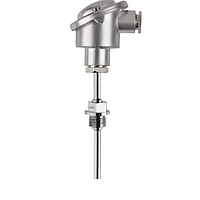
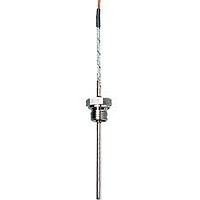
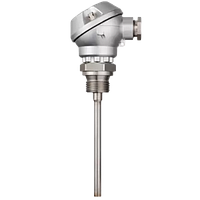
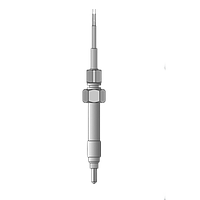
Screw-in thermocouples are a common choice when the sensor must be mounted securely into a threaded process point. Examples in this category include Jumo 901020, Jumo 901030, Jumo 901050, and Jumo 901150 series variants, which illustrate how threaded sensors can be used where stable positioning and repeatable insertion depth are important.
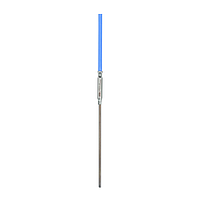
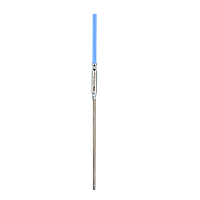
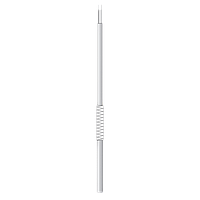
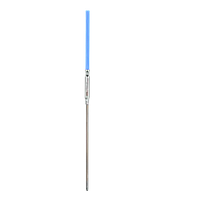
Mineral-insulated thermocouples are represented by products such as Jumo 901210 and Jumo 901250. These designs are especially relevant where compact diameter, good durability, and flexible routing are needed. Their construction makes them well suited to installations that cannot accommodate bulkier probe bodies.
Typical selection criteria for L-type sensors
Choosing the right sensor usually starts with the process conditions rather than the product code. The first point to confirm is the required temperature range. In this category, representative products cover broad ranges such as -200 to +600 °C, -200 to +800 °C, and application-specific ranges like 0 to 400 °C or -40 to +400 °C.
The next factor is the process connection. A screw-in connection such as G 1/2 or other threaded mounting styles helps ensure secure installation in equipment housings or process lines. In addition, insertion length and probe diameter affect both measurement position and mechanical compatibility with the installation point.
Cable configuration also matters. Some models include compensating cable or metal braiding, which can be useful when the connection point is exposed to movement, heat, or abrasion. For applications requiring a different thermocouple family, a dedicated K-type temperature sensor category may also be relevant depending on your instrumentation standard.
Examples from Jumo for practical reference
Jumo is the main manufacturer represented in this category, with multiple configurations that help illustrate typical use cases rather than a one-size-fits-all solution. For example, the Jumo 901020/10-165-2040-9-200-104/000 screw-in thermocouple features a terminal head Form B, extension tube, and continuous protection tube, making it a useful reference for more fixed industrial installations.
The Jumo 901250 mineral-insulated range appears in several diameter and insertion-length combinations, including 1.5 mm and 3 mm sheath versions. This is important because smaller diameters are often preferred for tighter installation spaces, while larger diameters may be chosen where additional mechanical robustness is desirable.
For more specialized thermal processes, the Jumo 901090 screw-in melt thermocouple shows how this category can extend into application-driven probe formats. Meanwhile, models such as Jumo 901150 and Jumo 901050 demonstrate threaded thermocouple options with compensating cable arrangements for practical field wiring.
Installation and application considerations
Correct installation has a direct impact on measurement stability and sensor life. The sensing tip should be positioned where it can capture the actual process temperature rather than a wall temperature or a poorly mixed zone. Threaded sensors should also be matched carefully to the required fitting standard and insertion depth to avoid mechanical mismatch.
Probe material and protection tube design are also important in real operating environments. Where sensors are exposed to heat cycling, vibration, or contact with demanding media, the mechanical construction can be just as important as the sensing element itself. This is one reason why industrial users often compare rigid screw-in probes with flexible mineral-insulated versions before placing an order.
In control cabinets or electronic assemblies, other sensing formats may be more suitable than process-mounted probes. In those cases, board mount temperature sensors can provide a better fit for PCB-level or compact enclosure monitoring.
How this category differs from thermistor-based sensing
Not every temperature measurement task requires the same sensor technology. L-type thermocouple sensors are generally chosen for industrial and process-oriented applications where broad temperature capability and durable probe construction are priorities. They are often better aligned with machinery, heated components, and process installation points than lighter-duty electronic sensing formats.
By contrast, thermistor technologies are often considered when applications focus on specific resistance-temperature behavior, electronic integration, or narrower operating windows. If you are comparing sensing principles for a controls or device-level project, it can be useful to review both thermistor sensor options and thermocouple-based categories before final selection.
What to review before ordering
Before selecting a product from this category, it is worth confirming a few practical points: operating range, probe diameter, insertion length, connection type, cable length, and the required mechanical construction. These details influence not only fit and installation time, but also long-term performance in the field.
It is also helpful to check whether the application needs a terminal head, a fixed screw-in connection, a cable-connected probe, or a mineral-insulated style. The products shown here provide a solid starting point for matching a sensor to process requirements without overcomplicating the decision.
Conclusion
This category is built for users who need reliable industrial temperature measurement with practical installation options. Whether the priority is a rigid screw-in assembly, a slim mineral-insulated probe, or a sensor format tailored to a specific thermal process, the available Jumo models illustrate the main configurations used in real industrial environments.
By focusing on temperature range, mounting method, and probe construction, buyers can narrow down the right temperature sensing solution more efficiently. For broader project planning, this category also works well as part of a larger sensor selection process across process, machinery, and control-system applications.
Get exclusive volume discounts, bulk pricing updates, and new product alerts delivered directly to your inbox.
By subscribing, you agree to our Terms of Service and Privacy Policy.
Direct access to our certified experts