The physical nature and energy boundaries of radiation
At its core, radiation is the process of energy dissipation in the form of electromagnetic waves or high-velocity particles through space. Depending on frequency and wavelength, each type of radiation carries a distinct energy level, determining how it interacts with matter. Based on its ability to alter atomic structure, radiation is clearly defined:
- Ionizing radiation: Possesses a sufficiently high energy level to strip electrons from atomic orbitals, creating free ions with high chemical activity.
- Non-ionizing radiation: Carries lower energy levels, causing only thermal effects or stimulating molecular vibrations without altering the chemical nature of matter.

Characteristics of common radiation spectral bands in daily life and industry
Non-ionizing radiation and radio frequency systems
This is a group of long-wavelength radiations present everywhere around telecommunications infrastructure and electronic equipment. The main mechanism of impact is the thermal effect when the energy density exceeds the permissible threshold.
Microwaves and RF frequencies: Emitted from base stations, Wi-Fi routers, mobile devices, and microwave ovens.
Infrared spectrum: Directly related to thermal radiation from machinery, engines, or natural heat sources.
Visible light: The visible spectrum emitted by the sun and artificial lighting systems.
Using an electromagnetic field meter (EMF) is the optimal method to determine energy density in the work area, ensuring that parameters remain within safe exposure limits.
Ionizing radiation and high-energy particulate sources
This group requires strict management procedures due to its strong penetrating power and ability to alter tissue structure.
X-rays and Gamma rays: These have extremely short wavelengths and high penetration capabilities into solid materials, commonly used for industrial weld inspection or technical endoscopy.
Alpha and Beta particles: Charged particles emitted from the nuclear decay of naturally occurring radioactive isotopes in soil, rocks, or building materials.
Because leaks are invisible to the naked eye, equipping yourself with measuring devices is essential for early leak detection. For example, the IMI RADALERT 100X radiation detector is a specialized device that helps detect Alpha, Beta, Gamma, and X-rays, enabling users to monitor safety in areas sensitive to atomic energy or in imaging labs.
Assessing physical impacts and parameter control solutions
The level of radiation exposure depends not only on the nature of the radiation but also on its intensity and total accumulated dose.
Non-ionizing radiation from household electrical appliances is generally less concerning if operated correctly. Conversely, ionizing radiation can cause subtle cellular changes if exposure exceeds certain limits. Instead of relying on subjective feelings, safety management should be based on real-world indicators:
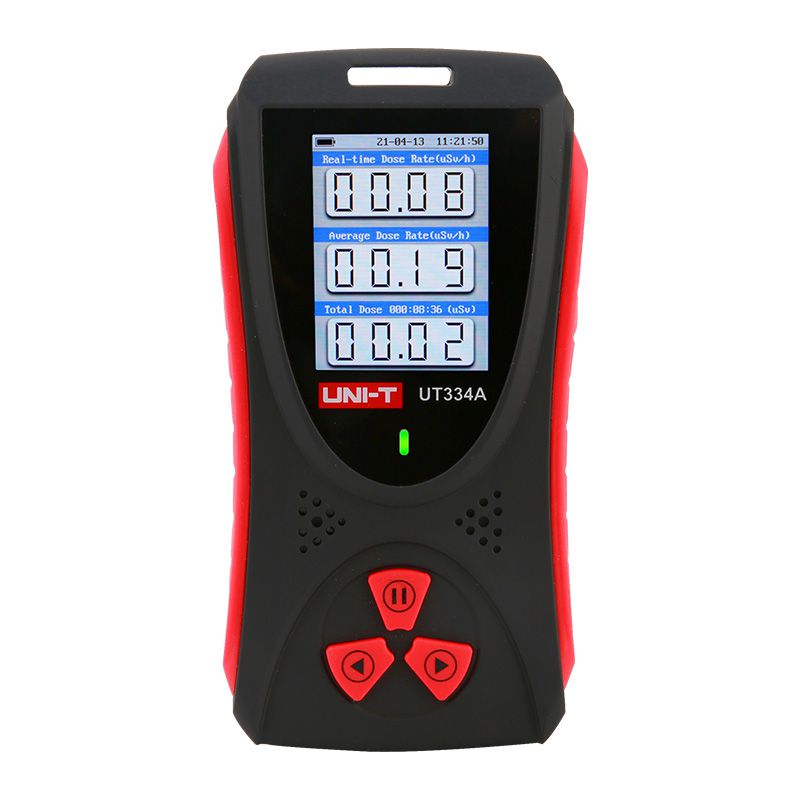
- Instantaneous dose determination: Using devices such as the UNI-T UT334A radiation dosimeter allows for rapid determination of the dose rate of X-rays, beta rays, and gamma rays in the surrounding environment. This device helps operators make timely decisions about setting up barriers or maintaining safe distances.
- Cumulative dose control: Wearing a personal dosimeter records the total energy absorbed by the body throughout the work period, ensuring that it does not exceed safe occupational levels.
- Establishing technical barriers: Applying radiation-blocking materials such as lead, thick concrete, or metal shields based on the type of radiation detected by measuring equipment.
Gaining in-depth knowledge of radiation helps us eliminate vague fears. When radiation parameters are controlled using specialized equipment, it becomes a powerful tool to support the development of industry and life.