The nature of high pressure hydraulic pumps
High pressure hydraulic pump is a device used to push liquid in the hydraulic system, thereby creating high pressure to transmit force and operate other mechanisms. The pump's pressure resistance can reach hundreds, even thousands of bars, so it can handle heavy jobs such as lifting, molding or cutting metal. Therefore, this is an indispensable device in many industrial production and manufacturing fields.
Popular types of hydraulic pumps today
In the group of high pressure hydraulic pumps, there are three most common types.
- Piston pump: uses a reciprocating piston to suck and push oil, often found in systems that require continuous and stable pressure at high levels, for example hydraulic presses.
- Vane pump: operates thanks to the rotating vanes in the pump chamber, creating even and stable pressure, suitable for large flow requirements but medium pressure.
- Gear pump: simple design, easy to maintain, often used for low to medium pressure. This is a cost-effective choice, suitable for small hydraulic systems or not too strict pressure requirements.
How to choose the right high pressure hydraulic pump for your needs
Before purchasing, you need to clearly define the job requirements to avoid making the wrong investment.
First, calculate the exact pressure required. If your system requires 200 bar, you should choose a pump that can withstand at least 220 bar to have a safe margin. This helps the equipment not to operate overloaded, while increasing its lifespan.
Second, consider the flow rate. This is the factor that determines the speed at which the fluid moves in the system. A pump with the right flow rate will help the cylinders and hydraulic motors operate smoothly, without jerking.
Third, consider the type of pump according to the application. If you work with extremely high pressure, piston pumps are the most durable choice. In cases where large flow rates but moderate pressure are required, vane pumps are economical and reasonable. If simplicity and ease of maintenance are a priority, gear pumps are a choice worth considering.
In addition, the manufacturing material is also very important. Pumps made from specialized steel or aluminum alloys will be strong, anti-corrosive and adaptable to harsh industrial environments. Choosing a reputable brand also gives you peace of mind about quality and after-sales service.
The most common mistake is choosing a pump based on cheap price. A poor quality pump can break down quickly, disrupt the entire production line and ultimately cost you more to fix.
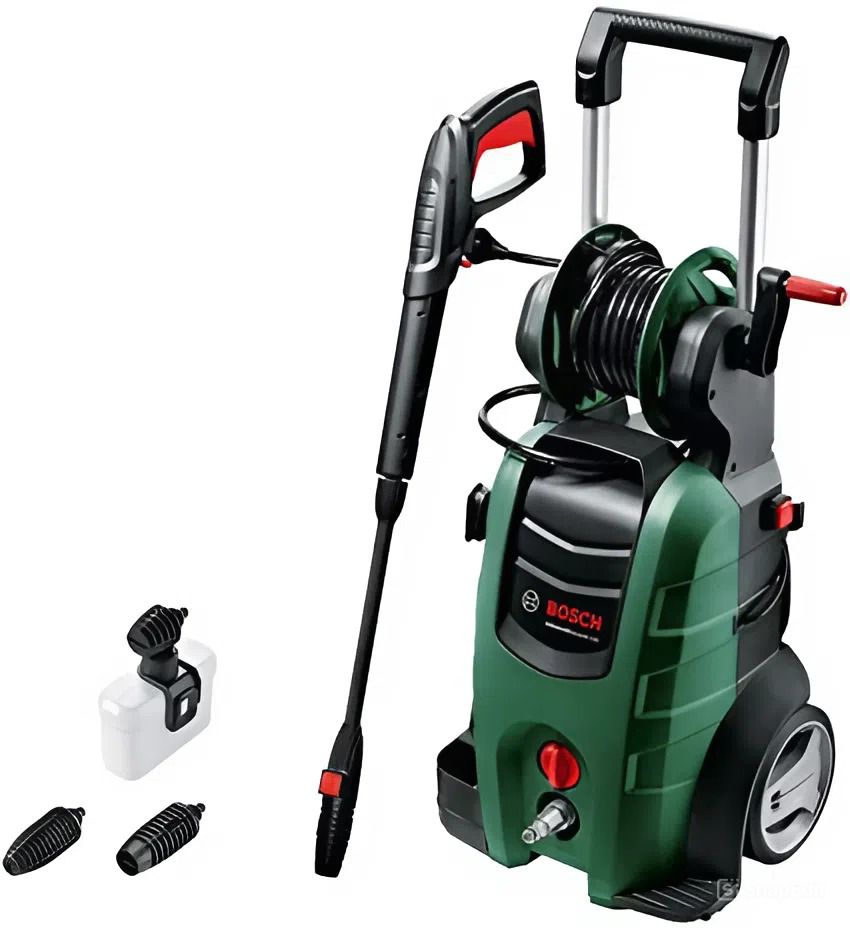
The second mistake is ignoring the technical specifications. You should carefully read the technical specifications on maximum pressure, flow, rotation speed to ensure the pump is suitable for the system. Avoid buying the wrong product with lower specifications than needed, leading to poor performance or quick breakdown. With a motor capacity of up to 2,600 W, a maximum pressure of 160 bar and a water flow of 570 l/h, the suggestion is the BOSCH Advanced AQT 160 High Pressure Hydraulic Pump to meet industrial cleaning needs.
Conclude:
High pressure hydraulic pump is simply a pumping device, but it is also a core component that determines the stability of the entire hydraulic system. Distinguishing the right type of pump, understanding the needs of pressure, flow and choosing products from reputable brands will help you avoid unfortunate mistakes, while ensuring long-term efficiency and safety.