In fact, even if you own an "expensive" current transformer, incorrect installation and connections can make things risky. A small error in this process can reduce performance and even cause safety for equipment and people. Therefore, choosing the right type of current transformer, correct installation and proper operation are key factors in ensuring the safety and long-term efficiency of the electrical system.
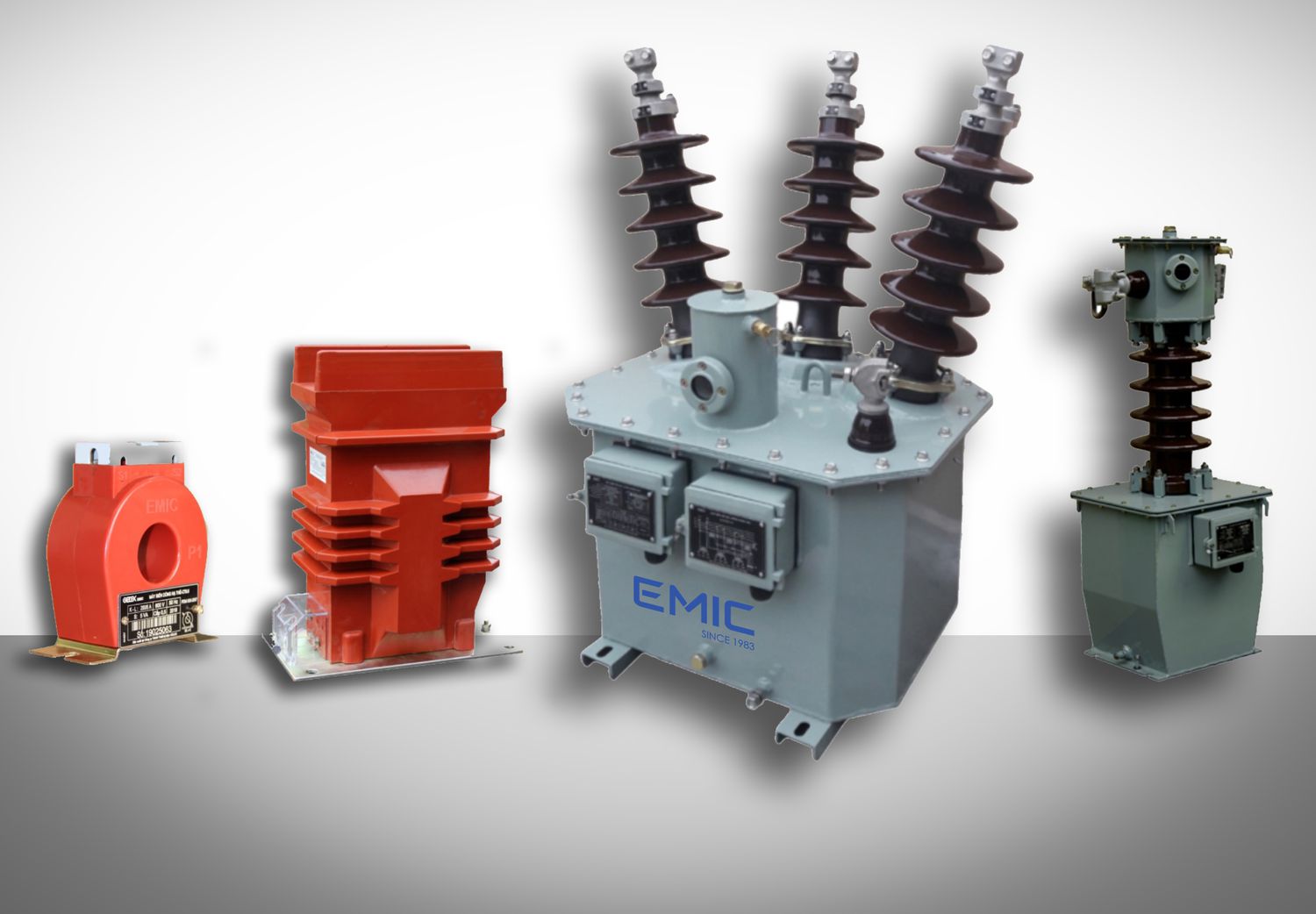
Error when determining CT load
The load of the current transformer is the device that receives the voltage from the CT output, which can be either linked or inductive. In many cases, the load value is set higher than reality to ensure safety or copied from old documents without being re-checked. This causes the CT core to be stretched beyond its limit, reducing the life of the measuring device and risking damage when overloaded. At the same time, inappropriate loads also distort measurement results, affecting the accuracy of the entire system.
It is very dangerous when the CT circuit is open
The CT circuit must always be kept closed. When exposed, the back Emf voltage will spike according to Lenz's principle, creating extremely high voltage levels. This not only puts the operator at risk of shock, but in many cases can also lead to fire and explosion. Small mistakes in handling can have serious consequences, so you need to be especially careful when working with CT.
Consequences of wrong connection
Using poor quality wires or improper connections can permanently damage the current transformer. Some common errors include leaving the CT circuit open or miscalculating the ground point, which directly affects the performance and durability of the device.
Confusion between protection CT and measurement CT
The protective CT is designed to withstand large fault currents. If this type is used for measurement under normal conditions, the meter will not be able to accurately record current.
Not only that, the protection CT core has a much higher saturation point than the measurement CT. When a problem occurs, the core is not saturated even when the current suddenly increases, causing the meter to endure an overload current 10-20 times the rated level, causing serious damage.
Deficiency in current transformer grounding
When operating multiple current transformers, each CT is usually grounded separately. However, this approach can be potentially dangerous. It is important to ground the secondary ground of the current transformer at a single point. Grounding at multiple points does not cause any problems under normal conditions, but when a fault occurs, the voltage at the ground points will increase unevenly. This causes the current flowing through the CT circuit to not reflect the correct primary current, leading to the relay detecting an error and automatically disconnecting, even though there is actually no problem.