EMIN will help you analyze the two types of cabinets to avoid confusion when developing experiments, while also minimizing the risk of detecting biological contaminants during the handling of biological samples.
What is a microbiological culture cabinet used for?
Microbiological safety cabinets are designed to create a clean working area, limiting the entry of dust and microorganisms from the outside air into the sample. Air entering the working chamber is filtered through a high-efficiency filter, then blown in a steady direction.
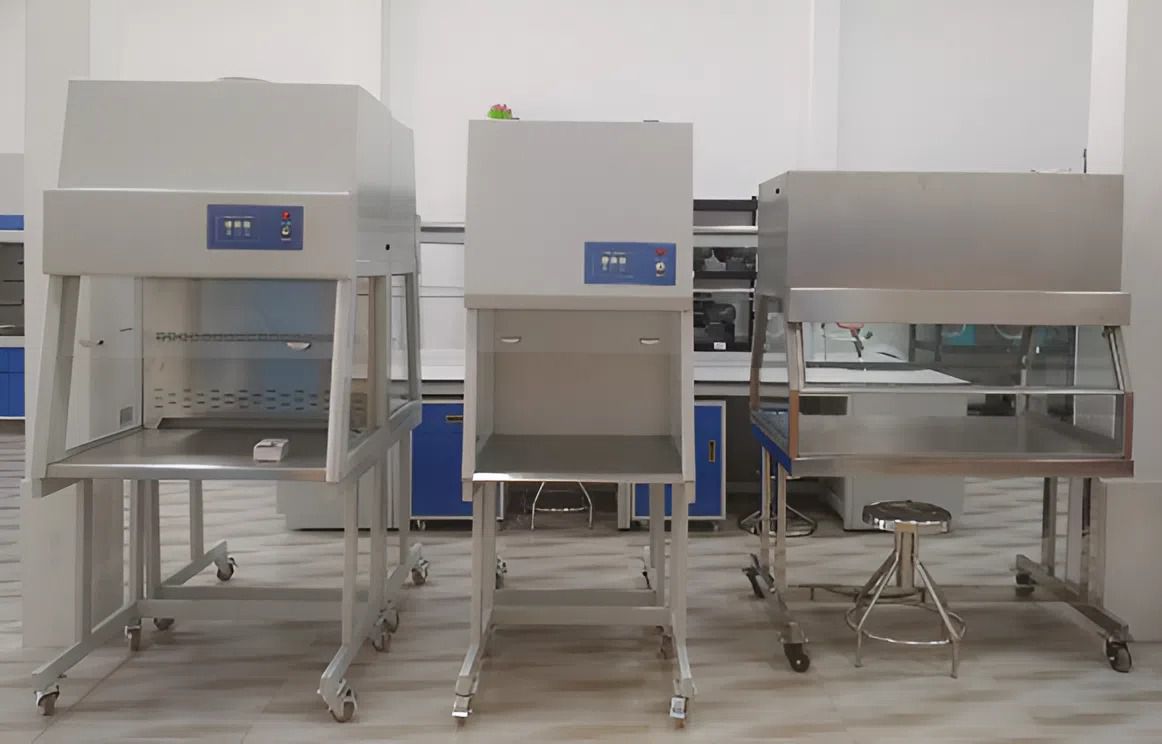
This type of cabinet is commonly used in applications such as:
- Conventional microbial culture
- Preparation of nutrient media
- Plant tissue culture
- Handling samples requiring high cleanliness
- The focus of a microbiological culture cabinet is to keep samples free from contamination. The surrounding area and the operator are not within the protected zone from biological hazards.
Related article: What is a microbiological culture cabinet? Operating principles and classification
What is the purpose of a biological safety cabinet?
Biological safety cabinets are used when handling samples that may pose a risk to human health or the surrounding environment. The workspace is enclosed, and the airflow inside is tightly controlled.
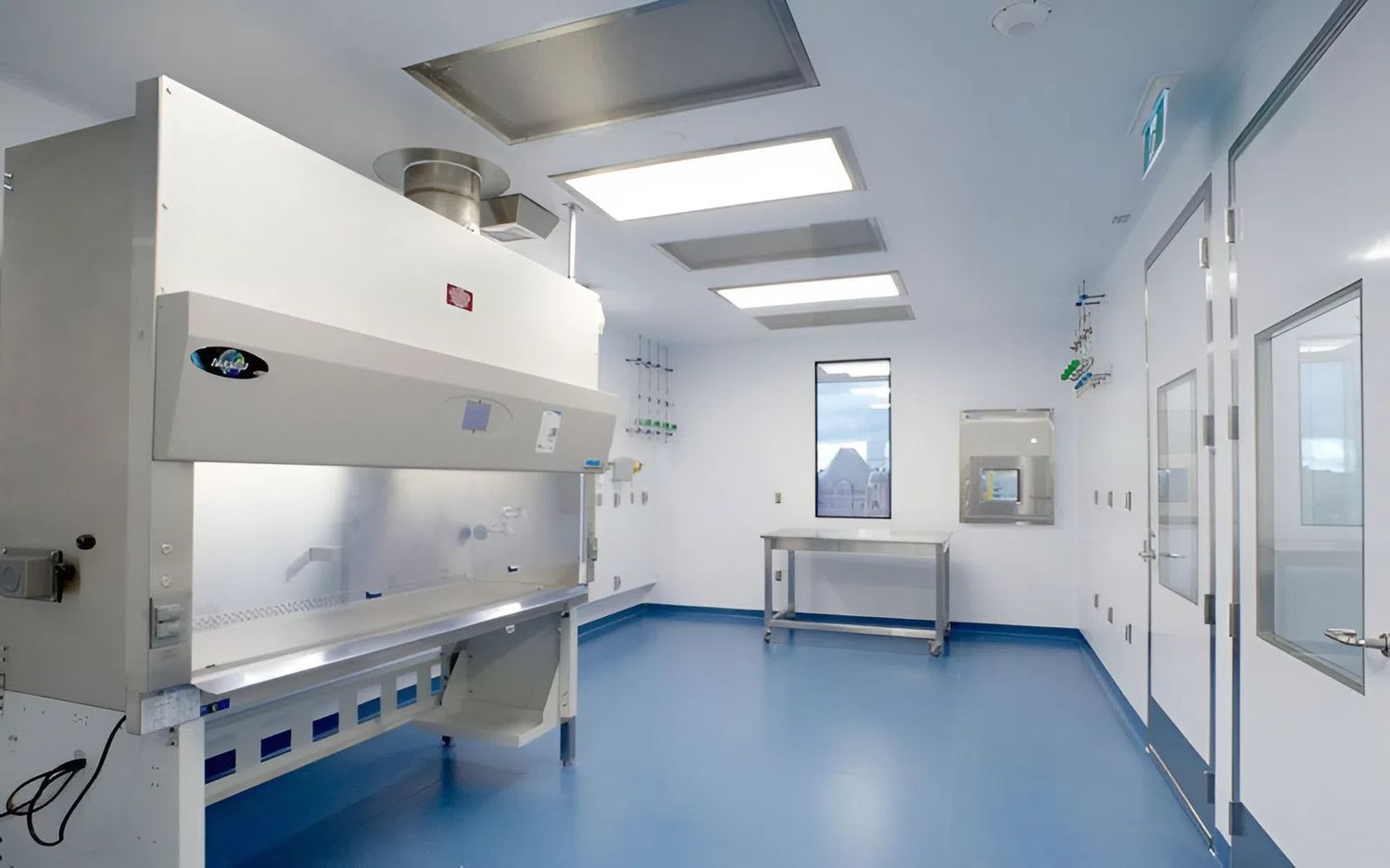
Air passing through the work area is not released directly but is collected, filtered, and treated before being discharged into the environment. This significantly reduces the risk of airborne pathogen spread.
Biosafety cabinets are commonly used in the following activities:
- Medical testing
- Molecular biology
- Cell culture
- IVF
- Working with potentially infectious microorganisms
The standards used are based on biosafety classifications issued by international organizations.
Similarities that can easily lead to confusion.
Both biosafety cabinets and microbiological safety cabinets utilize HEPA filters to trap fine dust and microorganisms in the air. Airflow within the work chamber is typically laminar to minimize turbulence.
The work chamber is well-lit, has smooth surfaces, and is easy to clean. Some models incorporate UV lamps for disinfection when not in use.
These characteristics lead many newcomers to the laboratory to believe that the two types of cabinets are equivalent in function.
The differences are evident in each specific aspect.
Regarding the concept of usage
A biosafety cabinet aims to minimize biological risks during sample handling. The workspace, the experimenter, and the surrounding environment are all within the protected area.
A centralized microbiological culture cabinet creates clean conditions for sample growth, preventing contamination from the outside air. The protection extends only to the sample being manipulated.
Regarding structure and main components
A biological safety cabinet typically contains:
- Negative pressure working chamber
- Stable DC fan system
- High-efficiency ULPA or HEPA filters
- Air recovery and processing system
- Tilting glass door for comfortable operation
- Lighting and UV lamps for disinfection
Microbiological culture cabinets typically contain:
- Simple control panel
- Fan creating laminar airflow
- HEPA filter combined with pre-filter
- Front-opening work chamber
- Tempered glass and flat work surface
- Structure clearly reflects the intended use of each cabinet type.
Regarding the operating principle
In a biosafety cabinet, clean air is supplied to the work chamber, then a portion is recovered and filtered, and the remainder is treated before being released. A high recirculation rate is typically used to limit the spread of biological agents.
In a microbiological culture cabinet, air, after passing through the work area, is usually released directly into the environment. A unidirectional airflow helps keep the sample within a clean air zone.
Regarding the scope of protection
A biosafety cabinet protects the sample, the operator, and the laboratory space simultaneously.
A microbiological safety cabinet focuses solely on protecting the sample. The operator is not protected from biological hazards if the sample becomes contaminated.
Common Misconceptions in Practice
A common mistake is using a microbiological safety cabinet for operations involving potentially contaminated samples. In this case, the escaping airflow may carry microorganisms.
Furthermore, microbiological culture cabinets with horizontal airflow cannot replace biosafety cabinets, as they do not meet the requirements for controlling the spread of pathogens.
Summary
Biosafety cabinets and microbiological culture cabinets serve two different purposes, although they share some similarities in structure and air filtration principles. One type focuses on overall biosafety, while the other aims for a clean environment for sample handling.