Why should we care about humidity and temperature when storing cameras?
Vietnam's climate is characterized by a tropical monsoon climate, with an average humidity of about 70% year-round, sometimes even reaching saturation. This is one of the main causes of mold growth, affecting many items, especially electronic devices.
If the device is left in a humid environment or the temperature changes erratically, the internal components may rust, the glass layer may become opaque or discolored, significantly reducing the image quality. A properly cared for device will always be ready for the sharpest frames.
Giữ máy ảnh ở môi trường phù hợp giúp thiết bị hoạt động ổn định và bền lâu hơn. Nhiệt độ và độ ẩm là hai yếu tố quan trọng cần kiểm soát, vì chúng ảnh hưởng trực tiếp đến linh kiện bên trong.
If the air is too humid, the lens is prone to mold, the circuit can oxidize. On the contrary, when it is too dry, the rubber gasket or plastic parts are brittle and cracked. The ideal temperature for storing the camera is about 20-30°C and humidity 40-50%.
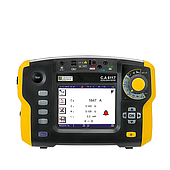
For accurate monitoring, you can use a temperature-humidity meter. Many devices today can display both indicators at the same time, helping you check the conditions in the room or in the dehumidifier easily. When you know the surrounding environment, you will know how to adjust in time to keep the camera in the best condition.
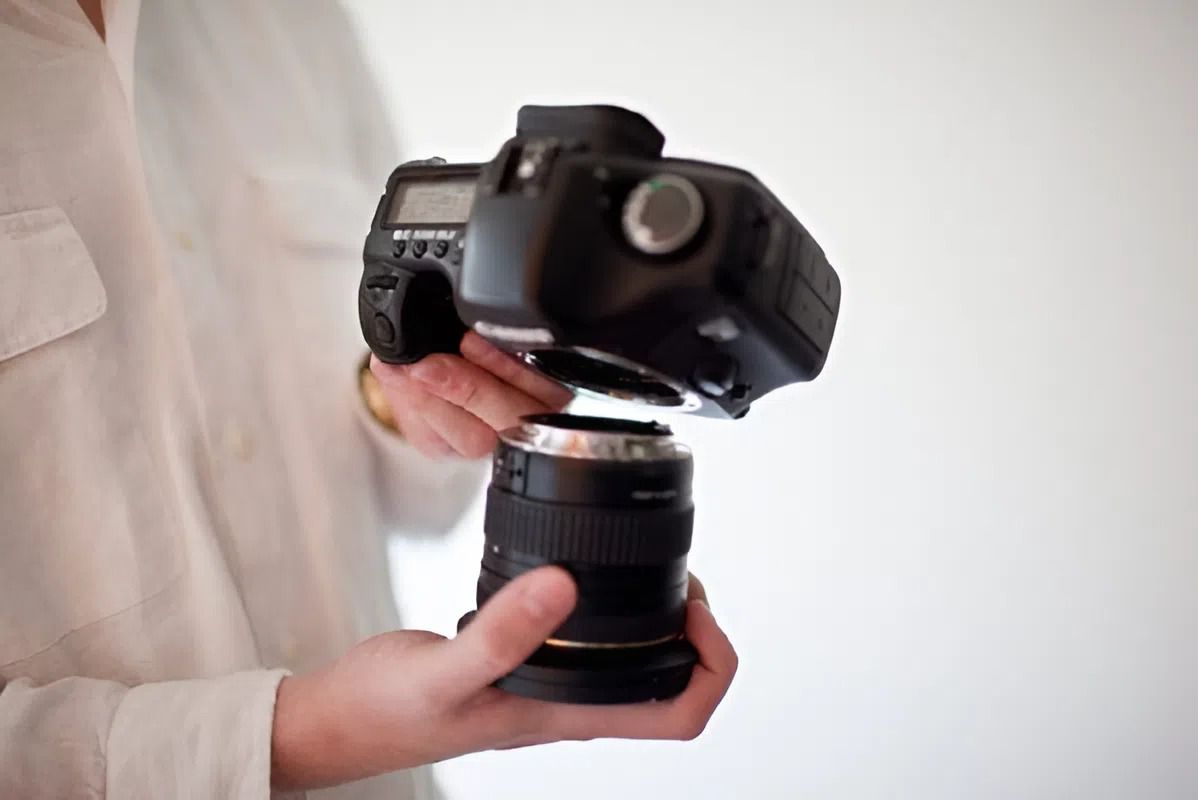
How to store your camera when not in use
Keeping your camera in good condition even when not in use is an important thing that many people often overlook. Here are some simple ways to help you prevent moisture and protect your device more effectively:
Use airtight containers and desiccants
This is the most economical and easiest way to do it. A sealed plastic box and a few desiccant packets will provide a safe storage space for your device. Check it periodically and replace the desiccant packets when they change color or become damp. Avoid leaving the box open or bent, as this will reduce its ability to protect against moisture.
Take advantage of light sources and UV lamps
Warm light from a nightlight or desk lamp can help reduce humidity around the storage area. Placing a soft light over the lens for a few hours each week will help reduce mold. Additionally, UV lamps are considered an effective way to inhibit the growth of fungus.
Expose the lens to the sun
Occasionally leave your camera or lens in soft sunlight for 15–20 minutes each week. The UV rays in sunlight will help dry out any remaining moisture and prevent mold growth. However, avoid leaving it in direct sunlight for too long, as this can overheat the components.
Avoid dusty places
When they accumulate inside, they not only reduce image quality but also damage the sensor and circuits. Always store the camera in a clean, dry place and avoid areas with kitchen smoke, cigarette smoke or road construction.
Use a dehumidifier
If you have a lot of equipment or want to store it for a long time, a dry cabinet is a good choice. The cabinet helps maintain a stable humidity level of 40-50%, suitable for cameras, lenses and accessories. Just plug it in, adjust the desired humidity level and leave the equipment inside, you do not need to worry about mold or harmful moisture. This is a convenient, safe solution and suitable for both personal users and professional studios.
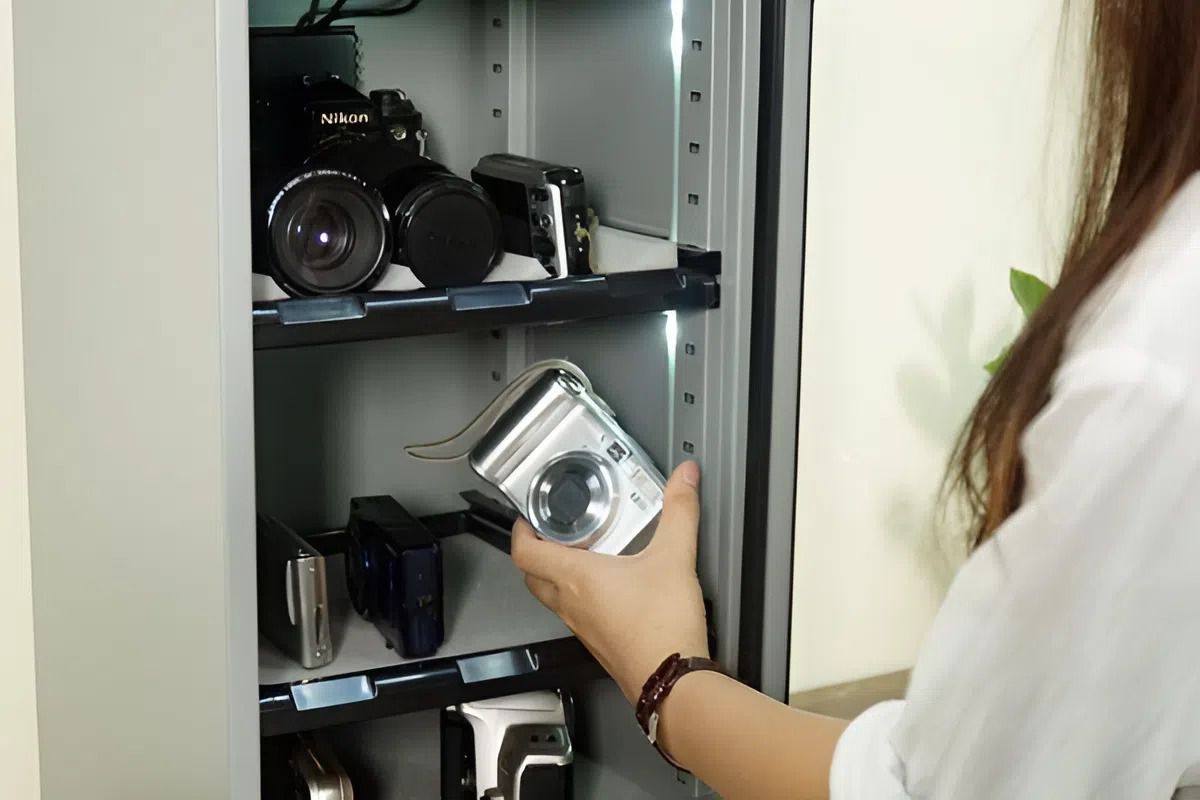
More information can be found at: Should I use a dry cabinet for my camera?
Do not use strong detergents
When cleaning the device, only use specialized solutions and soft cloths. Start by blowing dust with a blower or soft brush, then gently wipe the surface with a cloth soaked in a cleaning solution specifically for lenses. Finally, use a dry cloth to wipe again to remove any remaining moisture.
Above are some shares about temperature, humidity, and how to preserve the camera. Hopefully, it will bring you useful information to help protect the device best.