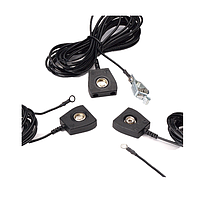
Anti-static ground wire
Controlling electrostatic discharge starts with something simple but essential: a reliable path to ground. In electronics assembly, inspection, repair, and clean work areas, the quality of that grounding path directly affects operator safety, product handling discipline, and overall ESD control consistency. This is why selecting the right anti-static ground wire and related grounding hardware matters far beyond basic connectivity.
This category brings together practical grounding components used in ESD-protected workstations and personnel grounding setups. Typical applications include bench grounding, wrist strap connection points, replacement cords for monitoring devices, and floor-contact grounding through heel, toe, or sole grounders.
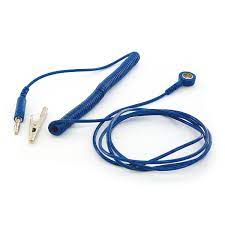
Why grounding components are critical in an ESD program
An effective ESD control environment depends on creating a controlled route for static charges to dissipate. Ground wires, grounding blocks, and personal grounding accessories help connect operators, benches, and selected equipment to a common earth reference. Without that path, even a well-equipped workstation can still allow charge accumulation on people or surfaces.
In practice, these products are often used alongside wrist straps, bench mats, footwear grounding accessories, and monitoring devices. If your process also depends on controlled contamination and workstation cleanliness, related solutions such as clean bench systems may be part of the same controlled work area.
What you will find in this category
This range covers more than a single cable type. It includes grounding cords for operator and bench connections, docking and grounding points for wrist straps, and replacement cords for specialized monitoring instruments. Some items are intended for fixed installation under or on workbenches, while others support portable or operator-worn grounding arrangements.
Examples from this category include the Static Solutions GC-9020B Grounding Cords with banana jack termination, the GC-9010 Grounding Cords designed for dual wrist strap banana plug use, and the BM-3516 Wrist Strap Ground for bench block grounding and wrist strap docking. For instrument support, the SCS 770721 Ground cord is intended as a replacement cord for the Portable Charged Plate Monitor.
Bench grounding and workstation connection options
At the workstation level, grounding hardware needs to be easy to install, easy to identify, and appropriate for the number of users or connection points required. A bench grounding block is often used when operators need a defined place to connect wrist straps while maintaining a dependable route to ground. This helps standardize grounding practices across assembly or test benches.
The Statico S1051 Two-point bench grounding block is a good example of this type of accessory, providing multiple connection points in a bench setup. Similarly, the Static Solutions BM-3516 Wrist Strap Ground is suited to bench block grounding and wrist strap cord parking, which can help reduce wear or accidental damage when cords are not in use. These products are not interchangeable with every setup, so the right choice depends on mounting style, connector format, and how many operators need access.
Grounding for personnel: wrist, heel, toe, and sole contact
Not every ESD-controlled area relies on the same grounding method. Seated bench work often centers on wrist strap connectivity, while standing work areas may use personnel grounding through heel, toe, or sole grounders. The goal is the same: maintain a controlled electrical path between the person and the grounded flooring system.
Within this category, examples include the TCVN 1m Wrist Strap Grounding for direct wrist strap connection, along with multiple Statico wearable grounding options such as the S1150HG Adjustable Heel Grounder, S1145HG Adjustable Quick-Release Heel Grounder, S1140 Adjustable Quick-Release Toe Grounder, and S1160SG Adjustable Quick-Release Sole Grounder. For temporary use or visitor control, the Statico S1100 Disposable Heel Grounder may be suitable where convenience and fast deployment are more important than long-term reuse.
How to choose the right anti-static ground wire or grounding accessory
The most important selection factors are the connection method, point of use, and compatibility with your existing ESD setup. Start by checking whether the application needs ring termination, banana jack termination, dual wrist strap acceptance, or a dedicated replacement cord for a monitoring device. This avoids ordering a component that fits the environment in theory but not the actual connector standard on the bench or equipment.
It is also worth considering whether the product is intended for permanent bench mounting, portable use, or wearable grounding. In standing work areas, footwear grounding products should match the flooring and operator movement pattern. In controlled production areas that combine ESD discipline with cleaner handling requirements, adjacent infrastructure such as air shower equipment or material cleaning tools like dustcloth and mop products may support the broader environment, even though they serve a different function.
Manufacturer coverage and typical use cases
This category includes products from recognized ESD-focused suppliers such as SCS, Static Solutions, Statico, and TCVN. Each serves a slightly different role in the grounding ecosystem, from replacement cords for measurement devices to wearable grounding accessories and bench connection hardware.
For example, an electronics service bench may use a grounding block plus wrist strap cords for operators, while a mobile audit or verification setup may require a replacement ground cord for a portable charged plate monitor. In light manufacturing or packaging areas, heel or sole grounders may be more practical than wrist-based grounding if operators are moving continuously between stations.
Building a more consistent ESD workstation
Ground wires and related accessories should be viewed as part of a complete ESD control process rather than isolated parts. A well-organized grounding layout makes it easier for operators to connect correctly, reduces cable damage, and supports repeatable daily use. Even small details such as parking studs, dual grounding points, or the right cord termination can improve usability at the bench.
When comparing products in this category, focus on the actual working method in your facility: seated or standing operation, fixed bench or portable device, single-user or multi-user station, and reusable or disposable grounding. Those factors will usually tell you more than a simple product name alone.
Final considerations
Choosing the right anti-static grounding components helps create a more stable and disciplined workstation for electronics handling and ESD-sensitive processes. Whether you need a simple grounding cord, a bench grounding point, or a wearable grounding accessory, the best option is the one that fits your connector standard, workstation layout, and daily operating routine.
Use this category to compare grounding solutions by application, not just by part name. A properly matched grounding setup is one of the most practical steps toward maintaining reliable ESD protection across benches, operators, and sensitive equipment.
Get exclusive volume discounts, bulk pricing updates, and new product alerts delivered directly to your inbox.
By subscribing, you agree to our Terms of Service and Privacy Policy.
Direct access to our certified experts