For full functionality of this site it is necessary to enable JavaScript.
EMIN.ASIA
0

Laboratory & Research

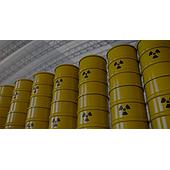
Types of ionizing radiation and key characteristics to know
08/20/2026 15:20:56

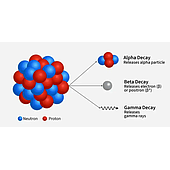
Ionizing radiation consists of particles or photons capable of ionizing matter. Understanding the characteristics of each type of radiation also provides a basis for selecting a suitable radiation meter and detector for the intended measurement.

Radiation Units and Dose Limits for Dosimetry
08/20/2026 15:17:46

This article explains common radiation quantities and units, helping distinguish radioactive activity, absorbed dose, and quantities used in radiation protection.

The rigorous standards behind a multi-million-dollar MRI suite
07/21/2026 14:54:01

An MRI system may be correctly installed and fully connected to the power supply, yet still encounter issues if the surrounding environment fails to meet technical specifications. Electromagnetic interference, RF shielding, power quality, grounding, temperature, humidity, and particulate levels are all factors that may require assessment, depending on the facility's design and the manufacturer's requirements.

Capacities of laboratory centrifuge tubes
07/20/2026 13:55:40

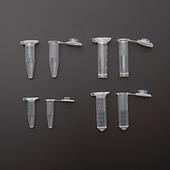
Tubes with capacities of 0.2 ml, 1.5 ml, 15 ml, or 50 ml are commonly found in laboratories, yet each type is associated with specific sample categories and equipment configurations. DNA and RNA samples typically require small-volume microtubes; blood and cell samples often utilize 5 ml or 15 ml tubes; while large-volume processing workflows may require tubes of 50 ml, 100 ml, or greater capacity

Why do brushless centrifuges generate less heat?
07/18/2026 09:54:09

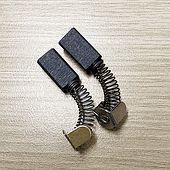
High-speed centrifugation over extended periods generates heat. For biological samples such as blood, plasma, proteins, or nucleic acids, an unexpected rise in temperature can affect processing results. Consequently, the motor becomes a key factor to consider, alongside rotational speed and rotor capacity

What is the difference between oil-lubricated vacuum pumps and oil-free diaphragm pumps?
07/17/2026 10:05:46

While both generate a vacuum, oil-lubricated pumps and oil-free diaphragm pumps differ significantly in their operating principles, advantages, and applications. Oil-lubricated pumps are typically chosen when a system requires a deep vacuum and strong suction power, whereas diaphragm pumps are preferred for laboratories, chemical processes, and environments where oil vapors must be avoided

Stay Updated with Offers

Get exclusive volume discounts, bulk pricing updates, and new product alerts delivered directly to your inbox.

By subscribing, you agree to our Terms of Service and Privacy Policy.

Quick Support

Direct access to our certified experts