For full functionality of this site it is necessary to enable JavaScript.
EMIN.ASIA
0

Blog

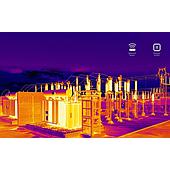
How Does Fluke Help Factories Detect Hard-to-Spot Electrical Risks?
07/24/2026 14:23:04

The more high-capacity machinery a factory houses and the more complex its power supply network becomes, the harder it is for routine checks such as voltage measurements or visual inspections of electrical cabinets to fully reflect the safety status.

Which products are tested using a -40°C to +150°C thermal shock chamber?
07/22/2026 14:45:25

Automotive circuit boards, sensors, modules, and plastic components can all experience issues after repeated transitions between cold and hot environments. A thermal shock chamber operating from -40°C to +150°C enables the replication of these temperature fluctuations under controlled testing conditions.

Does thermal shock cause damage to electronic components?
07/22/2026 10:40:49

An electronic component may operate stably under constant temperature conditions yet fail after repeated rapid transitions between hot and cold. The issue typically stems not from a specific temperature level, but rather from the rate of temperature change and the number of hot-cold cycles

Measurements Required After a Building Has Been Flooded
07/21/2026 15:26:24

After a flood, a building requires more than cleaning. Technical measurements are essential for effective post-flood recovery, flood damage restoration, and repairing flood-damaged buildings. Material moisture, surface temperature, insulation resistance, floor elevation, indoor environmental conditions, and structural deformation can reveal hidden damage that is impossible to detect through visual inspection alone.

The rigorous standards behind a multi-million-dollar MRI suite
07/21/2026 14:54:01

An MRI system may be correctly installed and fully connected to the power supply, yet still encounter issues if the surrounding environment fails to meet technical specifications. Electromagnetic interference, RF shielding, power quality, grounding, temperature, humidity, and particulate levels are all factors that may require assessment, depending on the facility's design and the manufacturer's requirements.

Air Pressure Determines the Accuracy of Many Technical Systems
07/21/2026 10:51:36

An air pressure meter provides reference data for calculation models involving altitude, airflow, air density, gas volume, and measurement uncertainty. Any variation in atmospheric pressure can propagate errors throughout an entire measurement or control system

Sinusoidal and Random Vibration: A Test Setup Guide for Industrial Engineers
07/21/2026 10:30:38

During the operation of industrial machinery or the transportation of goods, persistent mechanical vibrations inevitably occur; these are a primary cause of material fatigue, loosened connections, and cracking in printed circuit boards (PCBs). To ensure product integrity before delivery to customers, R&D and QA/QC engineers must simulate these dynamic forces using vibration test systems.

Why Do Two Barometers Show Different Readings ?
07/20/2026 15:17:53

Two barometers placed side by side can display different atmospheric pressure readings. Learn the technical reasons behind these differences and what they mean for measurement accuracy.

Capacities of laboratory centrifuge tubes
07/20/2026 13:55:40

Tubes with capacities of 0.2 ml, 1.5 ml, 15 ml, or 50 ml are commonly found in laboratories, yet each type is associated with specific sample categories and equipment configurations. DNA and RNA samples typically require small-volume microtubes; blood and cell samples often utilize 5 ml or 15 ml tubes; while large-volume processing workflows may require tubes of 50 ml, 100 ml, or greater capacity

Stay Updated with Offers

Get exclusive volume discounts, bulk pricing updates, and new product alerts delivered directly to your inbox.

By subscribing, you agree to our Terms of Service and Privacy Policy.

Quick Support

Direct access to our certified experts