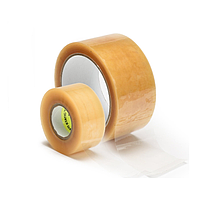
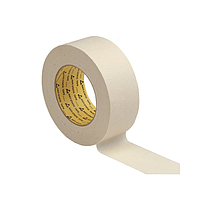
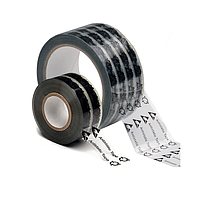
Anti-static tape, ESD tape
In electronics assembly, packaging, and cleanroom handling, tape is often treated as a small accessory until it becomes the source of contamination, heat damage, or electrostatic discharge. Choosing the right anti-static tape, ESD tape helps protect sensitive components, supports process stability, and keeps workstations aligned with ESD control practices.
This category focuses on tapes used in environments where static control, temperature resistance, and reliable adhesion matter. Depending on the task, that may mean securing materials during soldering or masking, sealing cartons with clear handling messages, or using conductive or dissipative tape in areas where electrostatic buildup needs to be managed more carefully.

Where anti-static and ESD tapes are commonly used
These tapes are widely used in PCB assembly, electronics manufacturing, semiconductor handling, repair benches, and clean production areas. In those settings, ordinary adhesive tape may not be suitable because it can generate static, leave problematic residue, or fail when exposed to elevated temperatures.
ESD-safe tape is commonly selected for temporary fixing, masking, bundling light materials, identifying protected packaging, or supporting work-in-progress handling. In a broader controlled environment, tape selection often goes together with workspace measures such as a clean bench or controlled entry through an air shower, where contamination control and electrostatic management are both part of the process.
Understanding the main tape types in this category
Not all products in this category serve the same function. Some are designed primarily for high-temperature masking, while others focus on surface conductivity or static dissipation. There are also tapes intended for packaging communication, such as attention or warning carton sealing tape, which helps identify sensitive shipments more clearly during storage and transport.
For example, high-temperature polyimide-based options such as the Statico SGP5912HT, SGP5924HT, and SGP5948HT are suitable when thermal resistance is important. By contrast, products such as Statico S6000HT Anti Static High Temperature Tape and the Statico S5948HT, S5924HT, and S5918HT variants are oriented toward applications where both temperature performance and static-control behavior are relevant.
High-temperature tape for electronics processes
When tape is exposed to soldering, curing, rework, or other heat-intensive steps, temperature resistance becomes a critical selection factor. A tape that softens too early or loses adhesion under heat can interrupt the process and create rework issues. That is why high-temperature products in this category are especially relevant for electronics and precision manufacturing.
Examples include Statico Kapton® tape models in multiple widths, as well as Lotus HTT 12mm*33m High Temperature Tape and Lotus ESD heat-resistant tape in 12mm*33m format. Width choice matters in practice: narrow tapes can be easier for detailed masking, while wider rolls may be more efficient for broader coverage. The right balance depends on the size of the protected area, application accuracy, and removal requirements after processing.
Why ESD performance matters in tape selection
In static-sensitive environments, the tape itself should not become a hidden risk. A suitable ESD-safe material can help reduce charge buildup during handling, packaging, and process movement. This is especially important around boards, chips, sensors, and assemblies that may be vulnerable to electrostatic discharge even when no visible damage appears immediately.
Products described as anti-static or conductive are typically chosen according to how they interact with charge in the application. Some are intended to dissipate static more safely, while others provide conductive behavior in specific setups. For buyers and engineers, the practical question is not simply whether a tape is labeled ESD, but whether its material, adhesive system, and process temperature fit the actual workstation or production step.
How to choose the right tape for your application
A practical way to compare options is to start with the process condition rather than the product name. Consider the working temperature, substrate surface, required tape width, exposure duration, and whether the tape is used on equipment, packaging, or directly near sensitive electronic assemblies. This narrows the selection much faster than comparing many rolls with similar dimensions.
You should also review whether the application needs heat resistance, anti-static behavior, conductive adhesive properties, or simply clear identification of ESD-sensitive cartons. For example, Statico S0691 Carton Sealing Attention Tape fits a packaging and logistics context, while high-temperature anti-static tapes are more relevant to process stations and manufacturing lines. In many facilities, tape choice is also part of a larger ESD and cleanroom workflow supported by items such as cleanroom mops and dustcloths used to maintain cleaner work surfaces.
Representative brands and products in this range
This category includes products from Lotus and Statico, both of which are relevant when buyers are looking for tape solutions for electronics handling and controlled work areas. Rather than listing every roll size mechanically, it is more useful to view the range by use case: heat-resistant tape, anti-static high-temperature tape, and carton sealing attention tape for sensitive handling workflows.
Representative options include Lotus ESD Tape ESD heat-resistant tape, Lotus HTT high temperature tape, Statico S6000HT Anti Static High Temperature Tape, and Statico Kapton® tape models available in several widths such as 6mm, 12mm, 18mm, 24mm, and 48mm. That spread gives purchasers flexibility when matching tape width to detailed masking, localized shielding, or broader-area application.
Supporting a cleaner and more controlled production environment
Tape selection is only one part of process control, but it often affects daily reliability more than expected. The wrong adhesive can create residue, attract particles, or behave inconsistently under heat. The right tape contributes to cleaner handling, steadier process results, and better compatibility with static-sensitive workflows.
For facilities operating in controlled environments, it also helps to think of tape as part of a broader ecosystem that may include benches, ventilation, cleaning materials, and handling equipment. That wider view is especially important when products move between assembly, inspection, packaging, and protected storage without leaving the clean or ESD-controlled area.
Find tape that fits the process, not just the label
Whether the requirement is heat resistance for masking, anti-static performance for electronics handling, or clear carton identification for sensitive shipments, the most effective choice comes from matching tape properties to the real task. Roll width, adhesive behavior, thermal exposure, and ESD considerations all influence long-term usability.
Explore this category to compare anti-static and ESD tape options from Lotus and Statico in a way that aligns with your production environment. A well-matched tape may be a small consumable, but it plays a meaningful role in protecting components, supporting process consistency, and maintaining cleaner, safer handling practices.
Get exclusive volume discounts, bulk pricing updates, and new product alerts delivered directly to your inbox.
By subscribing, you agree to our Terms of Service and Privacy Policy.
Direct access to our certified experts