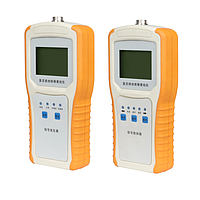
Anti-static testing equipment for bracelets, anklets and shoes
Reliable personnel grounding is one of the basics of ESD control in electronics assembly, repair, and protected work areas. Before an operator enters a workstation or starts handling sensitive components, it is important to verify that the wrist strap, heel grounder, anklet, or ESD footwear is working within the required resistance range. This is where anti-static testing equipment for bracelets, anklets and shoes becomes part of the daily control process rather than just an accessory.
In this category, you can find equipment designed to check the continuity and resistance path of personal grounding devices, helping teams support ESD compliance, reduce handling risk, and standardize operator checks across production and service environments.

Why personnel grounding testers matter in ESD-controlled areas
Wrist straps and footwear grounding devices are only effective when they maintain a proper electrical path to ground. In real operating conditions, cords, snaps, contacts, conductive layers, and the interface between footwear and flooring can all affect performance. A dedicated tester helps confirm that the grounding system is functional before work begins.
For many facilities, this type of equipment supports routine entry checks, workstation verification, and internal audit procedures. It is especially relevant in areas where electrostatic discharge can damage components, create latent defects, or compromise quality during assembly, inspection, packaging, and service operations.
Typical equipment found in this category
This category generally includes wrist strap and footwear testers, combination tester kits, and constant monitoring devices used to supervise grounding status during work. Some models are designed for quick pass/fail testing with LED indicators and an audible alarm, while others allow more configurable resistance thresholds for different ESD programs.
Examples in this range include the Static Solutions CT-8720 meter-only configuration for basic checking, the CT-8725 version supplied with a foot plate for footwear testing, and the CT-8700 full kit that adds mounting hardware for a more complete entry-point setup. For applications that require expanded functionality, the CT-8960 deluxe configuration adds a broader system package with HID reader integration.
Tester kits, foot plates, and monitors: understanding the differences
A simple meter-only unit is often suitable when the goal is to verify a wrist strap connection at a bench or to build a compact test station. When footwear such as heel straps, toe grounders, or ESD shoes must be checked, a foot plate becomes important because it creates the test path through the operator’s footwear.
Full kits combine the tester, foot plate, and stand to create a fixed checkpoint near EPA entrances or controlled production lines. In contrast, constant monitors are intended for continuous supervision during work rather than a one-time check. Models such as the Static Solutions CM-1700, CM-1701, and CM-1702 are relevant when the process requires active monitoring of one or more wrist straps, and in some cases the person and mat connection as well.
What to consider when selecting the right ESD tester
The best fit depends on how your ESD program is structured. If operators only need a fast pre-shift verification, a standard pass/fail tester may be enough. If the process involves both wrist straps and footwear, look for systems with selectable thresholds and dual-path foot plate support so the test reflects real use conditions more accurately.
Power method, mounting style, alarm indication, and interface options can also influence the choice. Some units in this category operate from a 9 V battery or 12 V DC adapter, while others are intended for fixed AC-powered installation. Where traceability or controlled access is part of the workflow, higher-level configurations with communication or identification features may be more suitable than a basic standalone unit.
Representative products in this category
Several products here illustrate how the category supports different levels of ESD control. The Static Solutions CT-8920 and CT-8925 deluxe testers are intended for wrist strap and heel grounder testing, with versions available as meter-only or meter-plus-footplate packages. The CT-8900 full kit extends this to a ready-to-install station format for routine personnel checks.
For users looking at another manufacturer option, the KLEINWACHTER WST 100 SET is a combined wrist strap and shoe tester with adjustable thresholds, while the WST 100 SE shoe electrode serves as the footwear test element within that setup. These examples show that selection is not only about the tester itself, but also about whether you need a standalone unit, a complete checkpoint, or a modular test arrangement.
Where these testers are commonly used
Personnel grounding test equipment is commonly used in electronics manufacturing, PCB assembly, semiconductor-related handling, repair benches, calibration labs, and service centers. It also fits clean and controlled environments where ESD risk management is integrated into broader contamination and process control practices.
In facilities that combine electrostatic protection with environmental control, these testers are often used alongside workspace equipment such as clean bench systems or personnel entry solutions like an air shower. The goal is not the same for each device, but together they help support a disciplined workflow in sensitive production areas.
How these devices support ESD compliance and daily operations
Many organizations use personnel grounding testers as part of a documented ESD control plan. A quick daily test can help identify worn wrist straps, damaged cords, poor contact, or footwear issues before they affect handling quality. That makes testing equipment valuable not only for compliance routines but also for reducing avoidable troubleshooting on the line.
Features such as LED status indication, audible alarms, selectable resistance limits, and microprocessor-controlled operation help simplify consistent use across shifts. Depending on the model, the equipment may align with common ESD control practices and support programs that reference recognized resistance limits for personnel grounding devices.
FAQ
Do I need a foot plate to test ESD shoes or heel grounders?
Yes, in most cases a foot plate is required to create the proper test path for footwear-based grounding devices. Meter-only units are generally more suited to wrist strap checks unless they are part of a larger compatible setup.
What is the difference between a tester and a constant monitor?
A tester is typically used for a quick check before work starts, while a constant monitor supervises grounding continuously during use. The right option depends on whether your process requires entry control, continuous verification, or both.
Are these products only for large production facilities?
No. They are also useful in repair areas, laboratory benches, field service support, and smaller electronics workstations where ESD-sensitive components are handled regularly.
Choosing the right ESD personnel tester depends on the grounding devices in use, the level of control required, and whether the application calls for spot checks or continuous monitoring. By comparing meter-only units, foot plate kits, and full monitoring solutions, buyers can build a more reliable workflow for operator grounding verification and day-to-day ESD protection.
Get exclusive volume discounts, bulk pricing updates, and new product alerts delivered directly to your inbox.
By subscribing, you agree to our Terms of Service and Privacy Policy.
Direct access to our certified experts