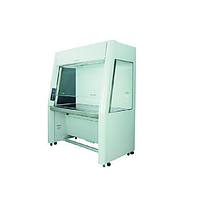
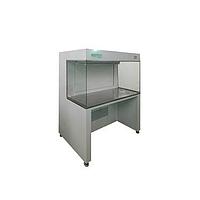
Clean Bench
When product protection depends on a low-particle workspace, selecting the right Clean Bench becomes a practical decision rather than a simple equipment purchase. In laboratories, electronics assembly areas, sample handling stations, and light industrial environments, clean benches help maintain a controlled work zone by supplying filtered air across the working area and reducing airborne contamination around sensitive materials.
This category focuses on clean bench systems and related accessories used to support cleaner bench-top operations. It is especially relevant for users who need laminar airflow for sample preparation, component handling, or process steps where protecting the product is the priority.
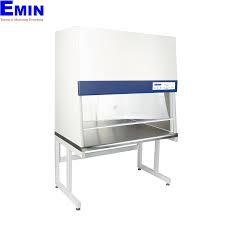
Where clean benches fit in a controlled workspace
A clean bench is typically used to create a localized environment with filtered air moving in a controlled direction over the work surface. This approach helps reduce particulate contamination on exposed materials, tools, and components during routine operations. It is commonly chosen for workflows where the main objective is protecting the work, not containing hazardous agents.
In many facilities, clean benches are part of a broader cleanroom or contamination-control setup. Depending on the process, users may also need supporting equipment such as an air shower for personnel entry control or a ventilation chamber for other airflow-related tasks. Choosing the right equipment depends on whether the application calls for product protection, operator protection, or both.
Typical clean bench configurations in this category
The products highlighted here show a strong focus on vertical laminar flow designs. In this setup, filtered air moves downward over the work area, helping create a cleaner zone for handling samples, parts, or packaging materials. This format is widely used because it supports consistent airflow across the bench while keeping the working area accessible.
Examples in this category include JEIOtech models such as BC-01B, BC-11B, BC-21B, and BC-21H, as well as DaiHan CBV-12, CBV-15, and CBV-18 clean benches. These examples illustrate a range of workspace sizes, from more compact benches for limited bench space to larger units intended for wider working widths and higher throughput tasks.
Key factors to compare before selecting a clean bench
The first point to review is working space. Internal dimensions affect how comfortably operators can place instruments, trays, fixtures, or product samples inside the clean zone. A small bench may be suitable for routine handling or compact assemblies, while larger benches are often preferred when operators need more lateral space or when several items must remain under filtered airflow at the same time.
Airflow performance is another important factor. Across the products listed, you can see references to laminar airflow velocity, air volume, and high-efficiency filtration. These values help indicate how the bench supports a stable clean environment. For many buyers, it is also useful to review practical details such as noise level, lighting, window design, utility outlets, and whether a stand is included or optional.
Materials matter as well, especially in laboratory and technical production environments. Stainless-steel work surfaces and coated steel bodies are commonly selected for durability, routine cleaning, and day-to-day use. If the bench will support repetitive workflows, maintenance access and filter replacement planning should also be considered early in the purchasing process.
Filter systems and accessory components
A clean bench performs only as well as its filtration system and overall airflow path. Several products in this category show the role of HEPA or ULPA filtration in removing fine particles from incoming air before it reaches the working zone. For buyers planning long-term operation, replacement parts are not just optional extras; they are part of the lifecycle of the equipment.
JEIOtech accessories such as the AAAB1601 HEPA filter for BC-01H/B and the AAAB1602 HEPA filter for BC-11H/B are relevant examples of maintenance-related components. The AAAB1621 stand with casters shows another practical consideration: mobility. In some facilities, a mobile stand makes it easier to relocate the bench for cleaning, layout changes, or temporary process adjustments.
Clean bench versus biological safety cabinet
One of the most common sourcing mistakes is treating clean benches and biological safety cabinets as interchangeable. They are not designed for the same purpose. A clean bench is generally used to protect the product or process from contamination by delivering filtered air over the workspace.
By contrast, applications involving biological agents, infectious materials, or operator protection requirements may call for a different type of containment equipment. If your process requires personnel and environmental protection in addition to product protection, it is worth reviewing biological safety cabinets instead of a standard clean bench.
Manufacturers and product ecosystem
This category includes equipment and accessories associated with recognized laboratory and clean-air equipment suppliers. Among the products shown, JEIOtech and DaiHan stand out as practical examples for users comparing bench size, airflow format, filter options, and accessories within a structured product range.
JEIOtech clean bench models in the BC series are useful references for users who want compact to large working widths with vertical laminar airflow. DaiHan CBV clean benches provide another comparison point for buyers evaluating workspace capacity, airflow volume, and optional stand arrangements. Looking at the ecosystem around each series can be just as important as comparing the main unit itself, especially when replacement filters and support accessories are part of the expected maintenance plan.
How to choose the right model for your application
Start with the nature of the work being protected. If you are handling non-hazardous samples, optical parts, electronic assemblies, or other contamination-sensitive materials, a clean bench can be an efficient solution. Then match the bench width and internal work area to the real footprint of the tools and materials used during operation, rather than choosing by external dimensions alone.
Next, consider installation and daily use. Power supply, available floor or bench space, operator comfort, lighting, and maintenance access all affect long-term usability. If your workflow involves routine repositioning, an optional stand with casters may be helpful. If uninterrupted cleanliness is critical, keeping replacement filters available can reduce downtime during scheduled maintenance.
It is also useful to think beyond the bench itself. Some facilities pair clean benches with supporting cleanroom consumables such as dustcloth and mop products to maintain surrounding cleanliness and support better contamination control around the workstation.
Practical buying considerations for B2B users
For engineering teams, laboratory managers, and procurement departments, the right selection usually comes down to balancing cleanliness performance, usable workspace, serviceability, and process fit. A larger unit is not always the better choice if the workflow is simple and space is limited. On the other hand, undersizing a bench can reduce productivity and make operator handling more difficult.
Review whether the listed model includes the stand, whether the filter type aligns with your cleanliness requirements, and how often replacement parts may be needed in your operating conditions. These points often have more impact on day-to-day ownership than headline dimensions alone.
A well-matched clean bench supports cleaner handling, more consistent process conditions, and easier routine operation. By comparing airflow design, filtration, work area size, and accessory availability, buyers can narrow this category to the models that best suit their laboratory or production environment.
Get exclusive volume discounts, bulk pricing updates, and new product alerts delivered directly to your inbox.
By subscribing, you agree to our Terms of Service and Privacy Policy.
Direct access to our certified experts